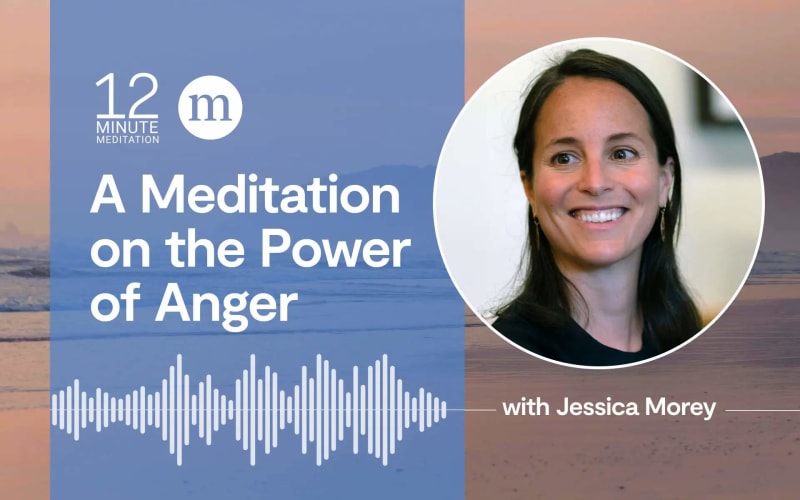
New Mindfulness Practice Helps People Manage Anger Better
A meditation expert is teaching people a new way to understand and work with anger that builds emotional resilience instead of reactivity. The practice focuses on body sensations rather than racing thoughts to help people respond thoughtfully instead of lashing out.
📺 Watch the full story above
Feeling angry doesn't have to mean losing control or stuffing your emotions down. A new mindfulness approach is helping people find a middle path that honors their feelings while choosing how to respond.
The practice comes from meditation teachers who've spent years studying how emotions work in both the mind and body. Their insight? Anger shows up as physical sensations like tension in your chest or heat in your face, and paying attention to those sensations can change everything.
Here's what makes this different. Instead of getting swept up in angry thoughts that spiral quickly, practitioners learn to notice what anger feels like in their bodies. Those physical sensations move more slowly than thoughts, making them easier to observe and work with.
The approach treats anger as valuable information rather than something to fear or eliminate. Anger protects us and tells us when our boundaries have been crossed or our needs aren't being met. It's actually a life-affirming emotion when we know how to work with it skillfully.
The Bright Side
This practice offers something many people have never learned: how to be with difficult emotions without either acting them out or pushing them away. It creates space between feeling anger and reacting to it, letting people figure out the most helpful response.
The goal isn't to become passive or indifferent. People who practice this approach still take action based on their anger, but they act from connection and care rather than the buzzing need to discharge uncomfortable feelings.
Practitioners report feeling more grounded and less overwhelmed when anger arises. They make choices they feel good about later instead of saying things they regret.
The practice works both during formal meditation and in daily life when emotions flare up. It's a skill anyone can develop with attention and patience.
Based on reporting by Mindful
This story was written by BrightWire based on verified news reports.
Spread the positivity!
Share this good news with someone who needs it