New Robot Fits in Smaller ORs, Completes 30 Surgeries
Johnson & Johnson's OTTAVA surgical robot just completed its first clinical trial with perfect success, and it fits in operating rooms previously too small for robotic surgery. Five of six hospitals used rooms that had never accommodated surgical robots before.
📺 Watch the full story above
A new surgical robot is opening doors for hospitals that thought they didn't have room for advanced technology.
Johnson & Johnson announced results from the first clinical study of OTTAVA, a robotic surgical system that completed all 30 gastric bypass procedures without needing human hands to take over. The real breakthrough wasn't just the successful surgeries. It was where they happened.
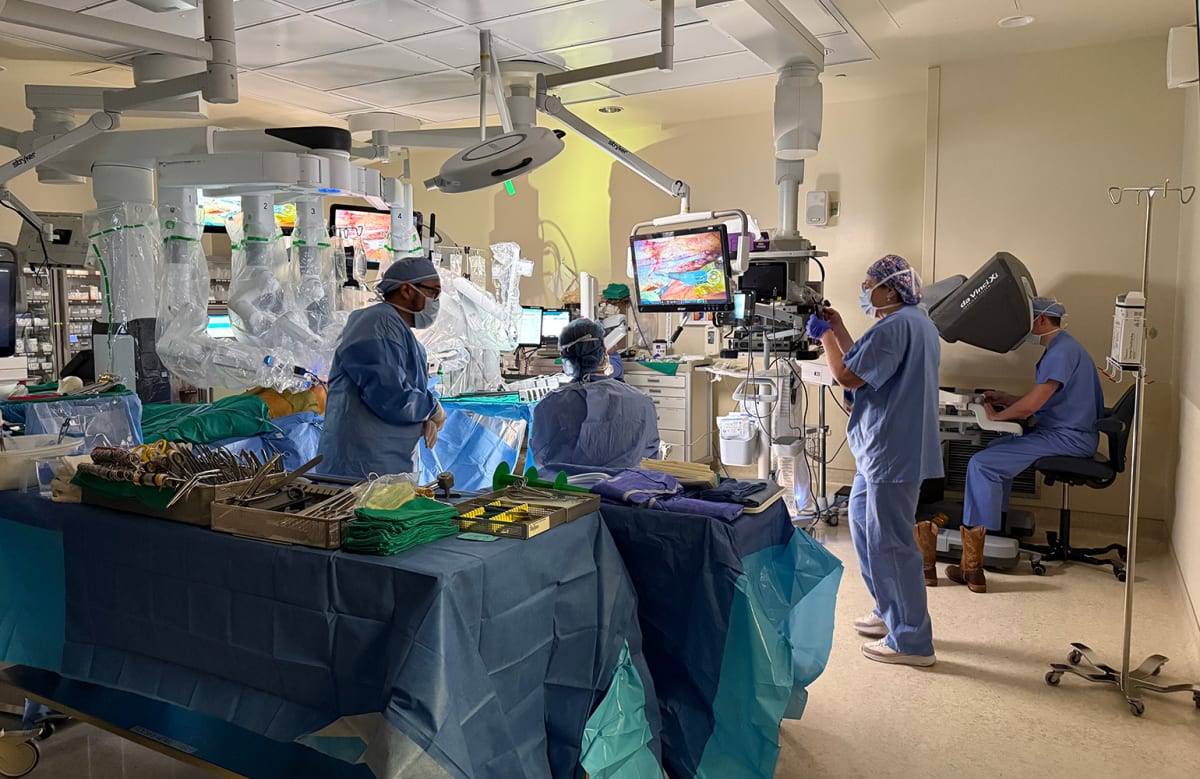
Five of the six participating hospitals performed OTTAVA procedures in operating rooms previously considered too small for robotic surgery. The system worked in spaces ranging from just 243 square feet to 694 square feet, proving that advanced surgical technology doesn't require massive infrastructure overhauls.
"These results demonstrate that the novel architecture can integrate into existing infrastructure and remove practical barriers to broader adoption," said Dr. Peter Schulam, chief scientific officer for MedTech at Johnson & Johnson. The secret is OTTAVA's design: four robotic arms built into a standard surgical table instead of requiring separate carts or booms that eat up precious OR space.
The 30-patient study focused on Roux-en-Y gastric bypass, one of the most technically demanding bariatric procedures. Patients lost an average of 30 pounds within 30 days after surgery. The study met all primary safety and performance goals through the 30-day follow-up period.
Dr. Erik Wilson, lead investigator and chief of minimally invasive surgery at UTHealth Houston, called the data "encouraging evidence" of the system's safety and performance. The company presented results at the American Society for Metabolic and Bariatric Surgery Annual Meeting.
The Ripple Effect
More than two in five American adults have obesity, and bariatric surgery remains one of the most effective long-term treatments. But not every hospital can dedicate massive operating rooms to robotic systems. OTTAVA's compact design means more hospitals could offer robotic-assisted procedures to more patients who need them.
Johnson & Johnson designed OTTAVA as a multi-specialty system capable of handling various soft-tissue surgeries beyond gastric bypass, including gastric sleeve, small bowel resection, and hiatal hernia repair. The company submitted data to the FDA for De Novo classification, targeting approval for multiple upper abdominal procedures.
Development faced delays during the COVID-19 pandemic, but the FDA granted investigational device exemption in late 2024. The system completed its first cases a year ago.
Advanced surgical care just got easier to fit through the door.
More Images




Based on reporting by The Robot Report
This story was written by BrightWire based on verified news reports.
Spread the positivity!
Share this good news with someone who needs it