Norway Perfects Ocean Carbon Storage With New Tech
Scientists in Norway just made a huge breakthrough in tracking carbon dioxide stored under the ocean, using technology that can verify every ton stays safely locked away. The same geologic reservoirs that held oil for millions of years are now becoming spotless storage vaults for greenhouse gases.
📺 Watch the full story above
Scientists at Norway's Sleipner gas field have cracked the code on making underground carbon storage safe, verifiable, and ready to scale up worldwide.
For 30 years, Norway has been pumping carbon dioxide deep under the North Sea into the same rock formations that once held petroleum for millions of years. Now researchers at the Norwegian University of Science and Technology have developed a way to track every single ton of that CO2 with stunning precision.
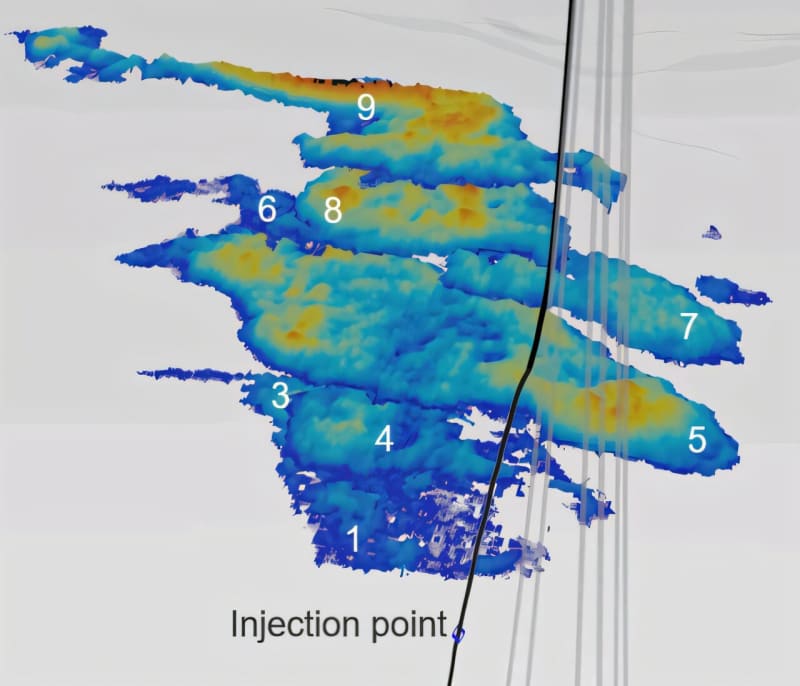
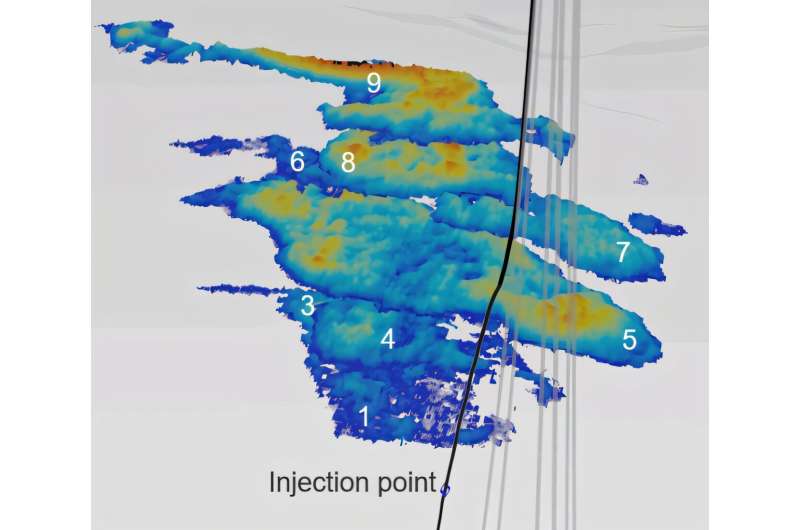
The breakthrough involves a technique called full-waveform inversion, which works like an ultrasound for the ocean floor. Ships send sound pulses into the seabed and analyze how the waves bounce back, creating detailed 3D maps of where the carbon dioxide has spread.
Just ten years ago, these images were foggy and unclear. Today, researchers can see individual layers of CO2 and track exactly how it moves through underground formations. "This is like a revolution in visualization and understanding of what's happening," said Professor Philip Ringrose, who studies energy transition at the university.
The Sleipner site has already stored 20 million tons of carbon dioxide in a saltwater rock formation called the Utsira Formation. That's equal to taking millions of cars off the road permanently.
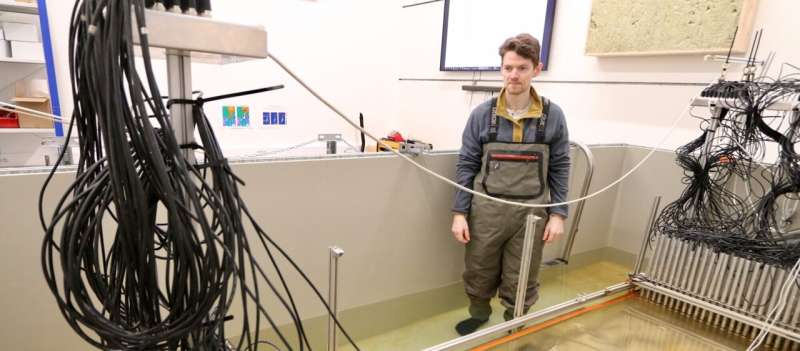
The researchers didn't stop at better imaging technology. They built a massive 2-by-4-meter water tank in their lab with a several-hundred-kilogram plastic model of the actual underground formation. Postdoc Kasper Hunnestad uses the tank to test different monitoring techniques, injecting air as a stand-in for CO2 and watching how it behaves.
This hands-on approach lets scientists answer the two crucial questions about carbon storage: Where did the CO2 go, and is it leaking? The answer at Sleipner has been reassuring. The carbon stays put, trapped by impermeable cap rock just as oil was trapped for eons.
The Ripple Effect
Norway's work is lighting the path for other countries racing to store carbon dioxide and fight climate change. Unlike land-based storage sites where companies must drill expensive monitoring wells, Norway's purely geophysical approach proves you can verify storage safely and accurately from the ocean surface.
The technology is already advancing rapidly, with newly minted PhD Ricardo Jose Martinez Guzman publishing research showing exactly how effective the technique has become at measuring stored CO2.
As more nations commit to carbon capture and storage, Norway's three decades of data and cutting-edge monitoring tools provide a proven blueprint for success.
What started as an experimental project in the North Sea is becoming the gold standard for cleaning carbon from our atmosphere and storing it safely forever.
More Images

Based on reporting by Phys.org - Earth
This story was written by BrightWire based on verified news reports.
Spread the positivity!
Share this good news with someone who needs it