Robot Ships to Map Ocean Floor for U.S. Navy
The U.S. Navy selected Blue Water Autonomy to use autonomous vessels for deep ocean mapping missions. These uncrewed ships can operate for months at sea, cutting costs while covering more ocean territory than traditional crewed vessels.
📺 Watch the full story above
The U.S. Navy just chose robot ships to explore some of the most remote waters on Earth, and it could change how we understand the ocean forever.
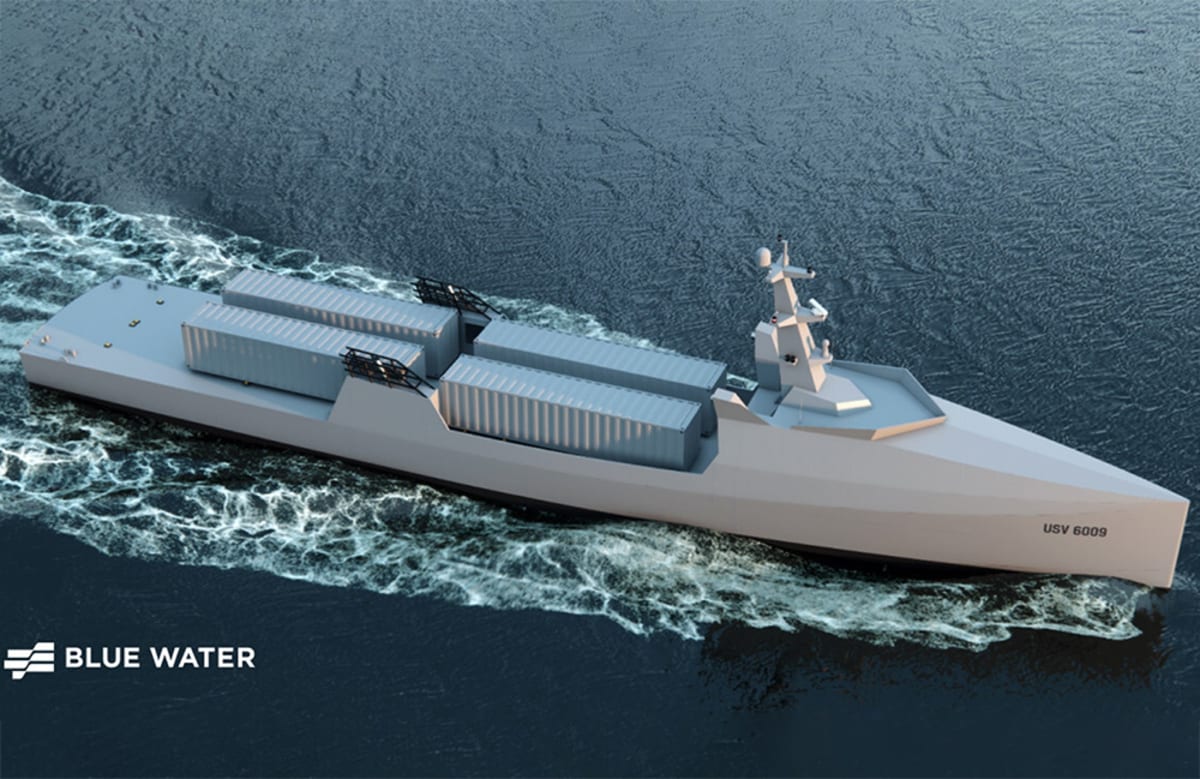
Blue Water Autonomy, a Boston shipbuilding company, won a contract with the Naval Oceanographic Office to map the ocean floor using autonomous vessels. These uncrewed ships will survey deep waters across the Indian and Pacific oceans, traveling far beyond where traditional crewed ships can safely reach.
The company's Liberty Class vessel is a 190-foot steel ship that can operate autonomously for months at a time. It carries over 150 metric tons of equipment and can travel more than 10,000 nautical miles without stopping.
"Mapping the open ocean is exactly the kind of long, high-endurance work that autonomous vessels are built for," said Rylan Hamilton, CEO of Blue Water Autonomy. The technology allows missions that would be too expensive or dangerous for human crews.
Traditional crewed survey ships cost tens of thousands of dollars per day to operate. They also put personnel at risk during months-long deployments in remote waters. Autonomous vessels slash these costs while covering more territory with fewer ships.
The ocean floor surveys do more than create maps. They reveal underwater terrain, measure acoustic conditions, and track shifting environmental factors that affect naval operations. This data helps naval forces understand how to move and operate effectively far from shore.
The Ripple Effect
Blue Water Autonomy launched just two years ago but has already raised $64 million in funding. The company expects to deliver its first vessel to the Navy this year.
The shift toward autonomous ocean exploration extends beyond military use. Better ocean mapping helps scientists study marine ecosystems, track climate patterns, and discover underwater resources. As these vessels prove themselves, the same technology could support research missions, environmental monitoring, and conservation efforts worldwide.
The Navy has steadily expanded its use of uncrewed systems for dangerous or repetitive missions. This approach reduces risk to sailors while accomplishing more with limited resources.
Blue Water Autonomy designed its ships using a proven hull design, then completely rebuilt the internal systems for autonomous operation. The vessels integrate custom hardware, software, and artificial intelligence to navigate safely for months without human intervention.
These robot ships represent a practical solution to one of exploration's biggest challenges: reaching places too remote, too dangerous, or too expensive for humans to go themselves.
More Images




Based on reporting by The Robot Report
This story was written by BrightWire based on verified news reports.
Spread the positivity!
Share this good news with someone who needs it