Scientists Create Database to Make Batteries Safer
Researchers at the National Laboratory of the Rockies are building the first open-access battery safety database to prevent failures before they happen. Their work combines real-world testing with AI to make the batteries powering our future safer and more reliable.
📺 Watch the full story above
Scientists are cracking the code on battery safety by studying exactly how and why batteries fail, then sharing that knowledge with the world.
At the National Laboratory of the Rockies, researchers are building something that's never existed before: a comprehensive, free database that tracks safety characteristics across different battery types. The goal is simple but powerful: prevent battery failures before they happen instead of reacting after problems emerge.
Battery failures are rare, but when they occur, the results can be dangerous. Heat builds up, materials break down, and gases can ignite in a chain reaction called thermal runaway. As batteries become central to everything from electric vehicles to home energy storage, understanding these risks matters more than ever.
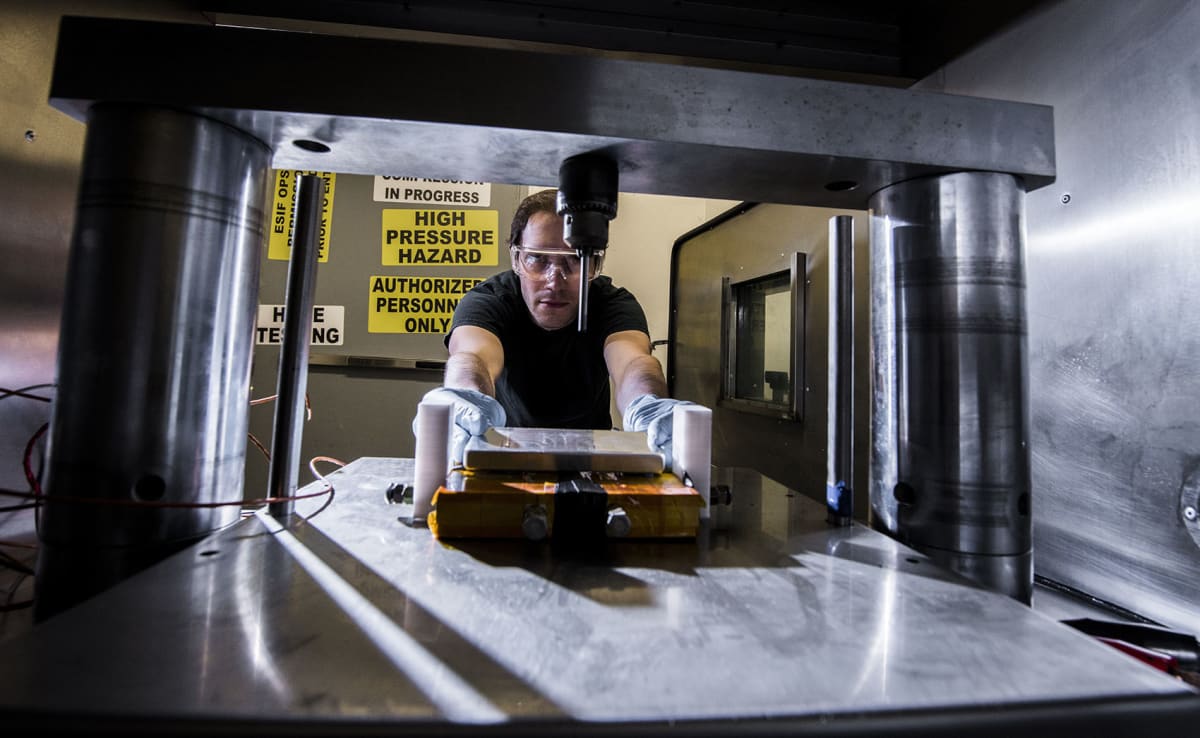
The research team examines batteries at every level, from atomic-scale defects to full system designs. They push batteries to their breaking points through nail penetration, extreme heat, and controlled short circuits to observe exactly how materials respond under stress.
"Our research aims to identify the root cause of why a battery fails," said Matthew Keyser, NLR Senior Energy Storage Engineer. "That deeper insight is what allows us to design safer, more reliable systems instead of addressing issues after batteries enter the market."
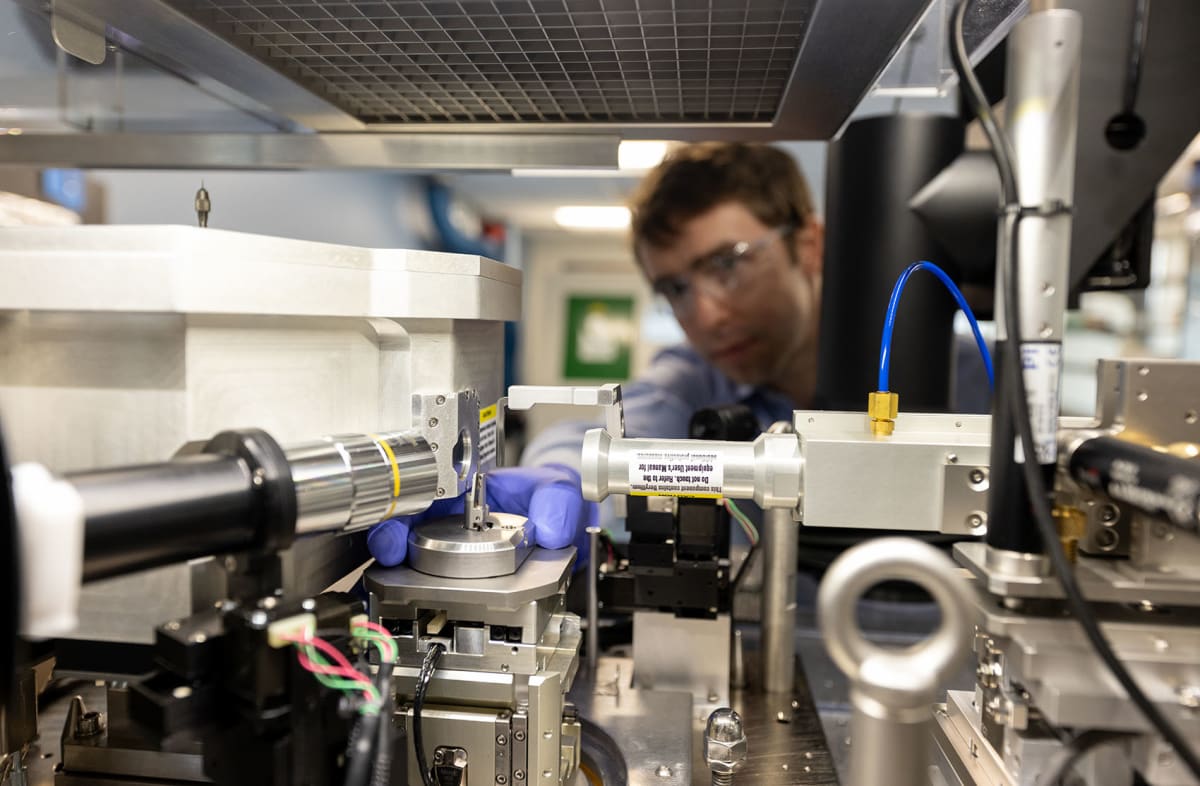
The lab uses cutting-edge imaging technology, including a specialized nano-CT scanner found nowhere else, to watch batteries function and fail in real time. That visual data feeds into AI models that can predict battery behavior and identify potential problems.
What makes this work especially valuable is its public nature. As a federally funded laboratory, NLR can share nonproprietary research openly, allowing battery manufacturers and innovators worldwide to build on their findings. The team recently published their insights on how changing battery chemistries affect safety in the journal Nature.
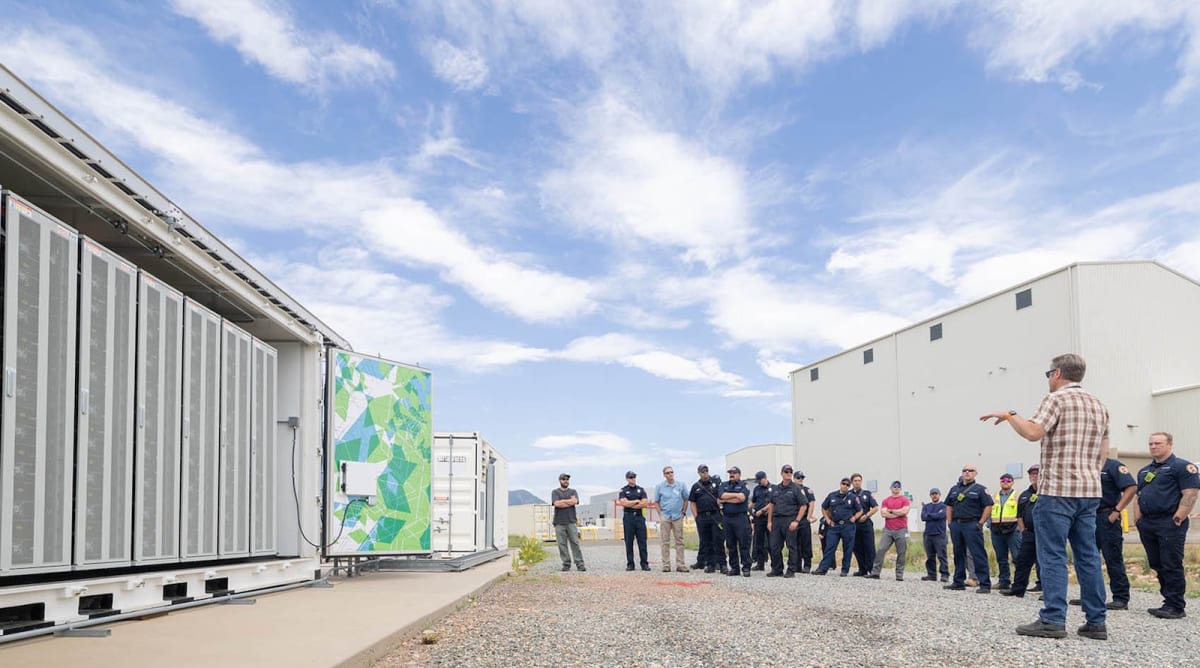
The researchers also work directly with emergency responders, hosting training sessions on how to handle battery storage system incidents. This cradle-to-crisis approach covers every stage of a battery's life, from initial design to emergency response.
Senior scientist Donal Finegan emphasizes how small changes matter: "Subtle changes in the composition of materials inside a battery can impact reaction kinetics that can lead to much more hazardous failure scenarios."
The Ripple Effect: As battery technology evolves rapidly to meet growing energy storage needs, this safety research creates a foundation that benefits everyone. Electric vehicle owners, renewable energy users, and anyone with a smartphone relies on lithium-ion batteries daily. By making safety data freely available, NLR's work helps manufacturers worldwide build better batteries faster, accelerating the clean energy transition while keeping people safe.
This combination of rigorous science, open collaboration, and forward thinking is helping ensure that tomorrow's batteries power progress without compromising safety.
More Images

Based on reporting by CleanTechnica
This story was written by BrightWire based on verified news reports.
Spread the positivity!
Share this good news with someone who needs it