Solar EV Startup Aptera Shows Real Progress After 19 Years
A California company building a solar-powered electric vehicle just opened its doors to journalists, revealing a surprisingly advanced factory after nearly two decades of false starts. The tour showed genuine progress toward finally delivering their innovative three-wheeled car.
📺 Watch the full story above
After 19 years of setbacks and restarts, solar car startup Aptera gave journalists an unfiltered look inside their California factory that revealed they might actually pull this off.
The San Diego company has been promising a hyper-efficient solar electric vehicle since 2005. The company folded twice, restarted twice, and has yet to deliver a single car to customers, leading many in the EV community to dismiss them as vaporware.
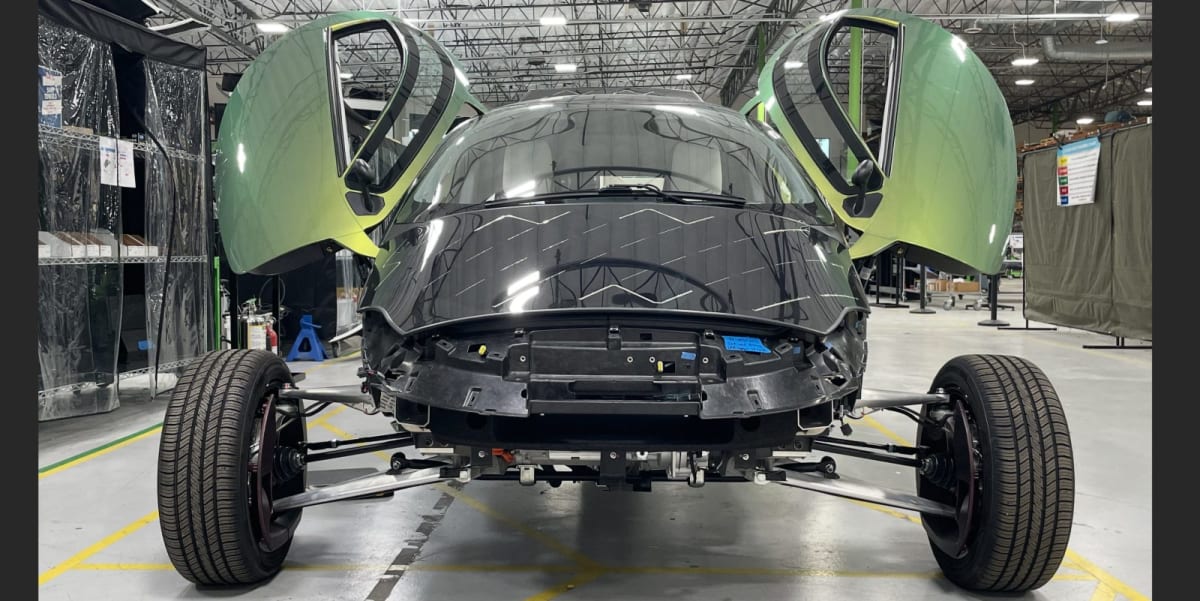
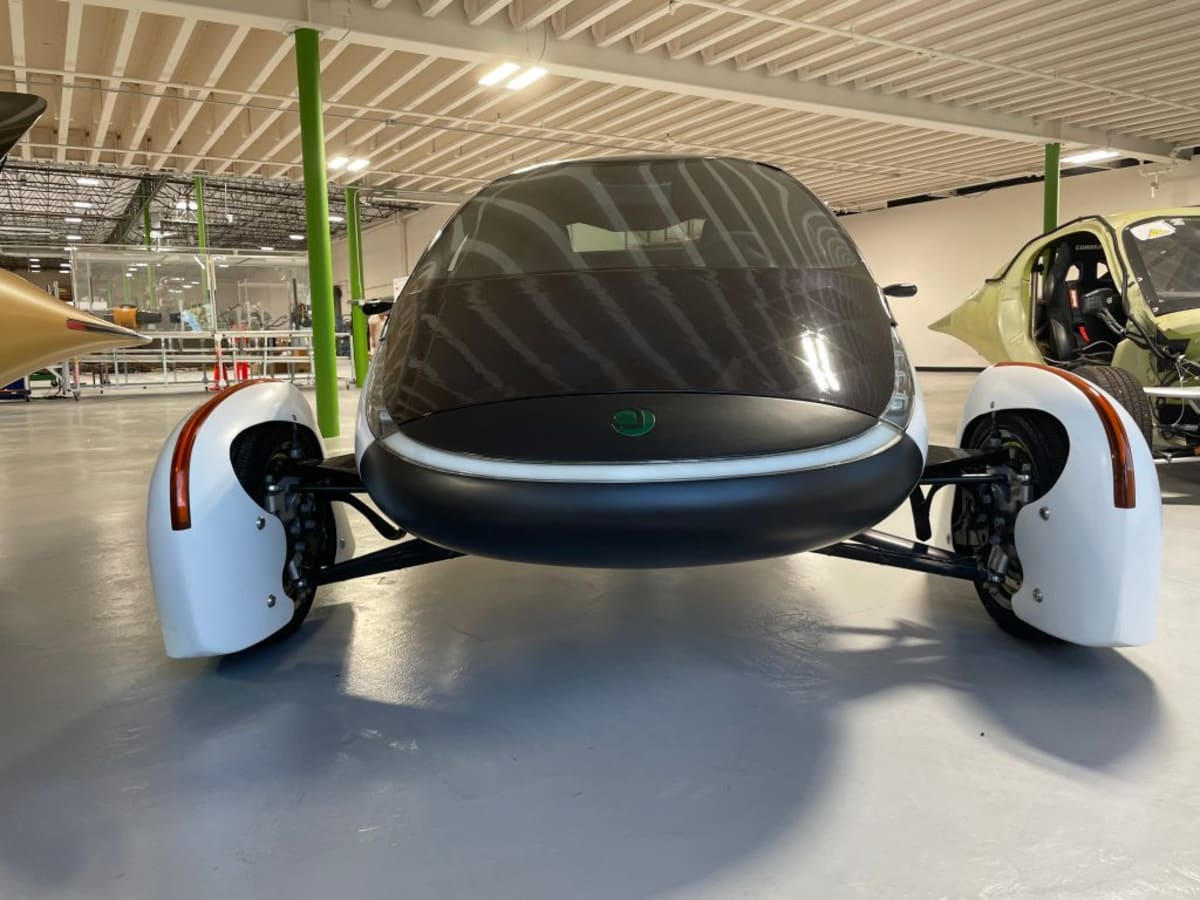
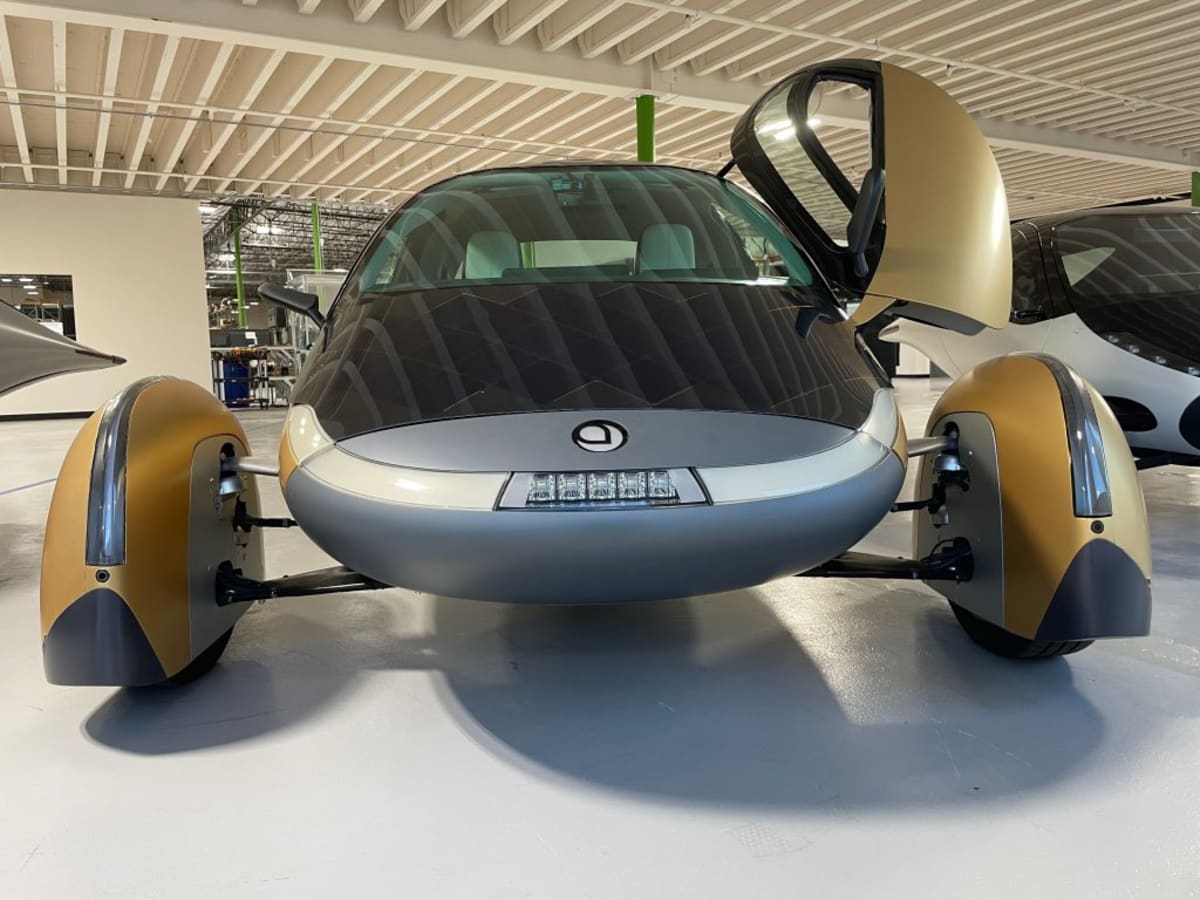
But the factory tour told a different story. Instead of a carefully staged PR event, Aptera opened everything up. Journalists could photograph almost anything, papers were left around workstations, and about 15 vehicle bodies sat in various stages of assembly throughout the 77,000 square foot facility.
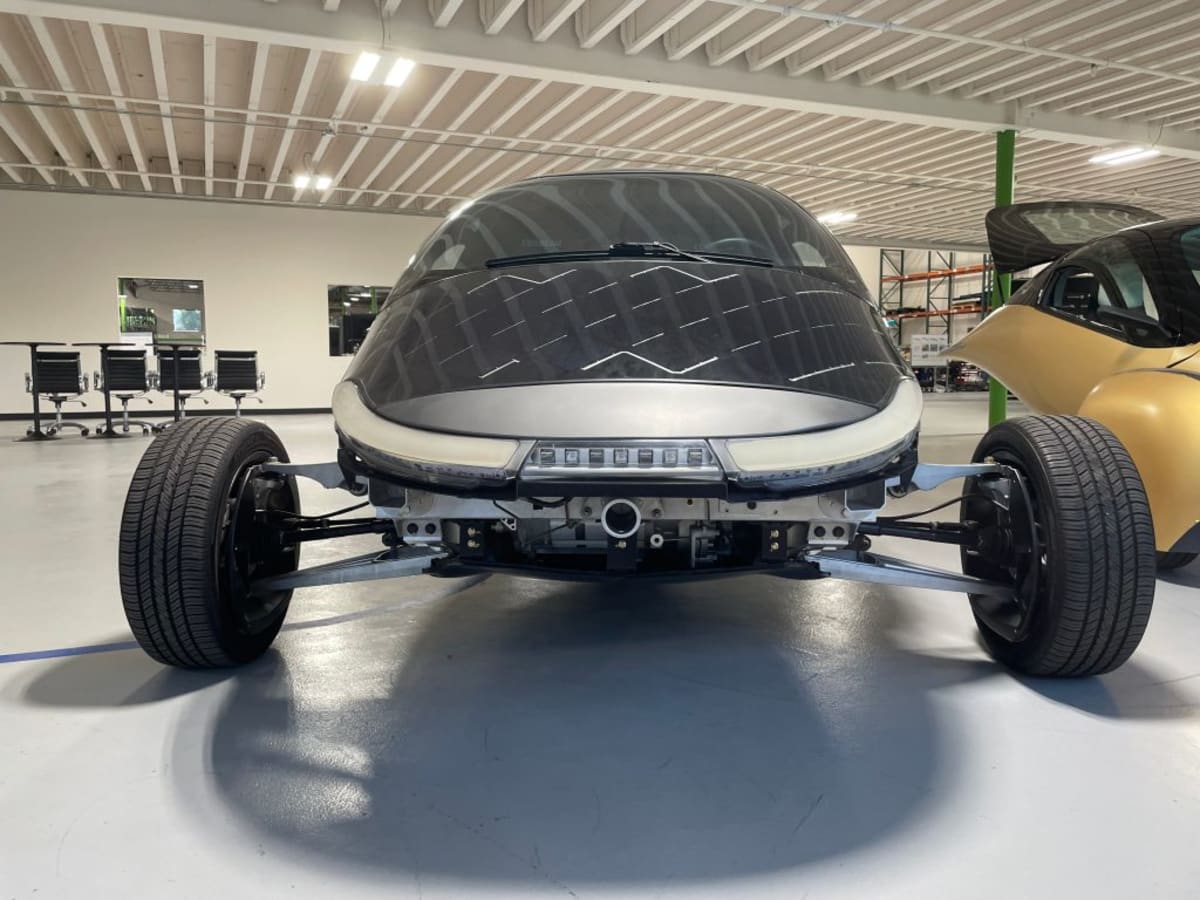
The car itself represents some clever engineering breakthroughs. The entire body uses carbon fiber sheet molding compound made in Italy and assembled in California with just 130 total parts. Custom machines produce curved solar panels broken into zones so shade on one section doesn't kill efficiency across the whole car.
Aptera solved problems other EV makers ignore. Standard EV charging wastes 200 watts of overhead power, which would be huge on a car charging from just 500 watts of solar. They designed a low-power charging system using only 8 to 15 watts, switching to full power only when needed.
The company ditched wheel hub motors after suppliers had high failure rates, switching to simpler inboard motors instead. They use a smartphone processor for driver assistance that sips just 9 watts. Even the 12-volt battery is lithium instead of the lead acid found in almost every other car.
The Bright Side
What stood out most was Aptera's transparency. Companies hiding problems don't let journalists roam freely with cameras or leave engineering documents on workbenches. The openness suggests a team focused on solving real problems rather than managing perception.
The path from prototype to production remains challenging, especially for a startup that's been "almost there" for so long. But seeing actual vehicle bodies being assembled, custom manufacturing equipment running, and engineers solving real efficiency problems shows this isn't just slideware anymore.
After nearly two decades of promises, Aptera finally has something real to show.
More Images
Based on reporting by Google News - Electric Vehicle
This story was written by BrightWire based on verified news reports.
Spread the positivity!
Share this good news with someone who needs it