Solar Panels That Double as Farm Helpers Boost Crops
Farmers are discovering that solar panels work best when they actually help the farm, not just sit beside crops. The winning approach turns electricity generators into shade providers, crop protectors, and water savers.
📺 Watch the full story above
The future of farming might be growing in the shade, and that's actually good news for both food and energy.
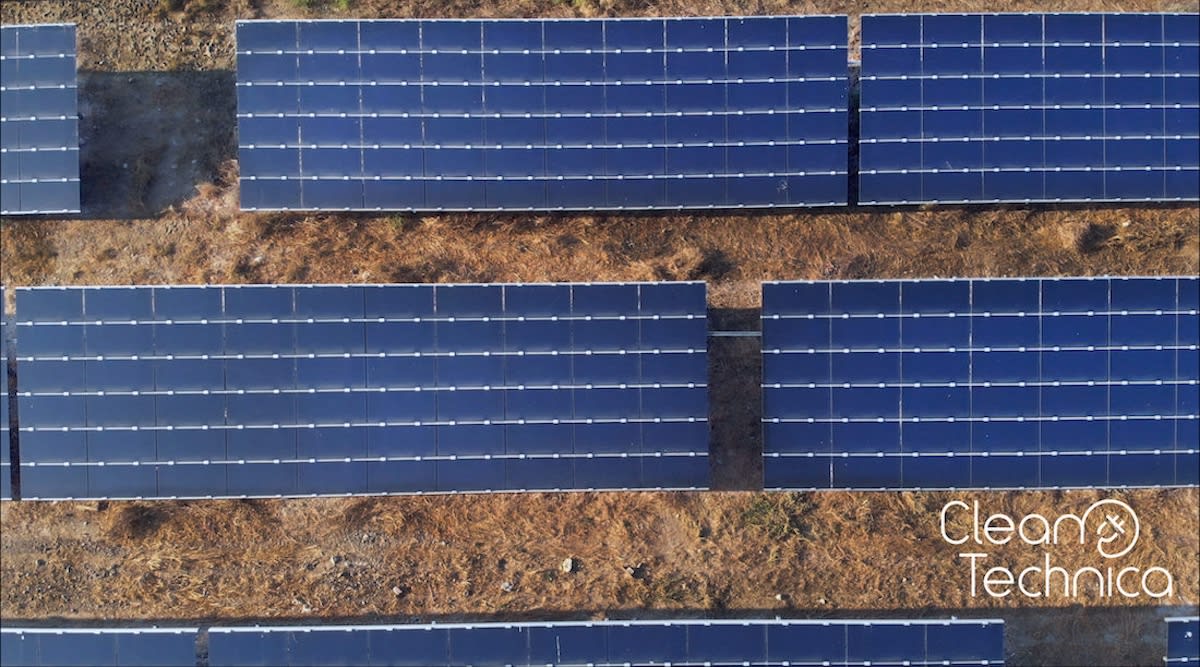
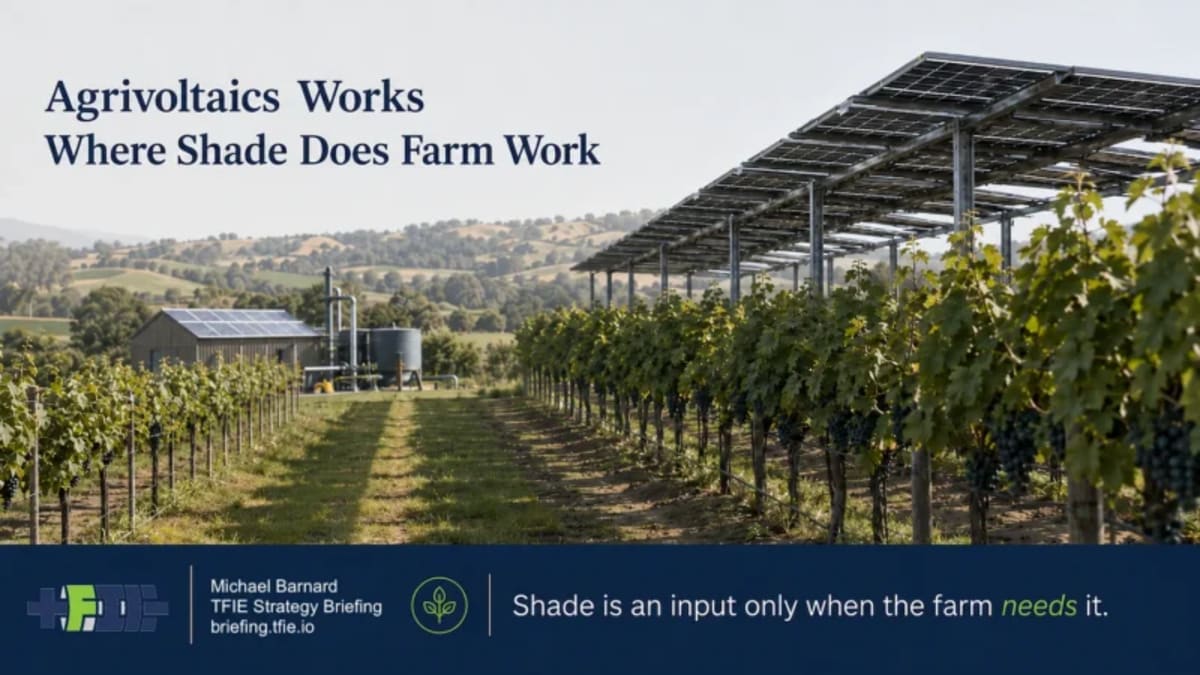
Agrivoltaics, the practice of combining solar panels with agriculture, is proving most successful when the panels earn their keep by doing real farm work. Instead of just placing solar arrays near crops and hoping both survive, smart farmers are using the structures to solve actual agricultural problems while generating clean electricity.
The simplest success story involves sheep grazing beneath standard solar panels. The animals manage vegetation naturally, farmers earn extra income, and the panels don't need expensive modifications. It's not flashy, but it works without breaking the budget or complicating farm operations.
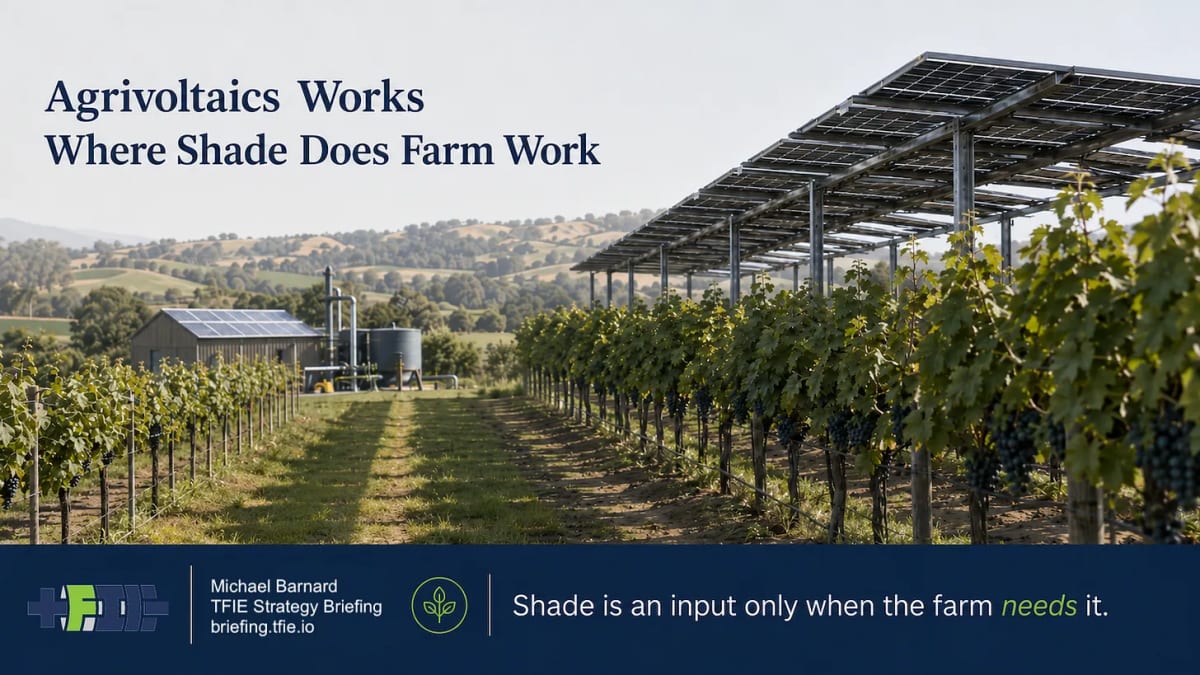
Higher value crops like berries, grapes, and orchard fruits tell a different story. These crops already need protection from sun damage, hail, and weather extremes. When solar panels replace or supplement existing shade cloth and protective structures, they solve two problems at once: crop protection and power generation.
In hot, water stressed regions, partial shade from panels can actually boost crop quality. Too much intense sun during peak heat can stress plants and reduce marketable output. Strategic shading helps preserve water, reduce plant stress, and provide power right when irrigation and cooling systems need it most.
The approach doesn't work everywhere equally well. Tall overhead structures above commodity crops like wheat or corn face tough economics because the crops have lower value per acre and the machinery requires expensive tall supports. The panels need to provide clear agricultural benefits beyond just coexisting with crops.
The Ripple Effect
This practical approach to agrivoltaics is spreading because it respects both farming and energy realities. Farmers who install these systems are reporting reduced water use, better crop quality in extreme weather, and meaningful electricity savings. Some are even selling excess power back to the grid.
The broader impact extends beyond individual farms. As climate change brings more extreme heat and water scarcity, dual purpose solar infrastructure could help vulnerable agricultural regions adapt while contributing to clean energy goals. Rural communities gain economic diversity without sacrificing productive farmland.
The technology also benefits from existing farm infrastructure. Electricity generated on site powers pumps, refrigeration, packing equipment, and increasingly, electric vehicles and drones. This creates immediate value without needing complex grid connections or storage systems.
What makes this development genuinely hopeful is its grounding in practical farm economics rather than theoretical land use calculations. Farmers are adopting systems that make their operations more resilient and profitable, not just checking boxes for sustainability reports.
The key insight is refreshingly simple: solar panels should help farms do what farms already need to do. When that alignment happens, both the crops and the clean energy thrive together.
More Images

Based on reporting by CleanTechnica
This story was written by BrightWire based on verified news reports.
Spread the positivity!
Share this good news with someone who needs it