Space 'Starshade' Could Reveal Earth-Like Planets
NASA scientists have designed a giant space umbrella that could help telescopes spot planets like Earth around distant stars. The breakthrough concept combines space and ground technology to search for signs of life beyond our solar system.
📺 Watch the full story above
Finding another planet like Earth has just gotten closer to reality, thanks to an innovative NASA concept that puts a giant blocker in space.
Scientists at NASA's Jet Propulsion Laboratory have designed a hybrid system combining a massive space-based "starshade" with powerful ground telescopes to spot Earth-like planets orbiting distant stars. The concept could identify dozens of potentially habitable worlds and detect signs of life in just hours.
The challenge with finding Earth-sized planets has always been the blinding glare of their host stars. It's like trying to spot a firefly next to a stadium spotlight from miles away.
Dr. Ahmed Mohamed Soliman and his team propose launching a 325-foot-wide starshade into orbit to block starlight externally. Meanwhile, three giant ground telescopes in Chile and Hawaii would capture images of the previously hidden planets.
"Many people think only large space telescopes can search for life beyond our solar system," Dr. Soliman explains. But this hybrid approach changes everything.
Current space telescopes like James Webb use internal blockers called coronagraphs, but they can't create enough contrast to see true Earth-like planets in habitable zones. Ground telescopes alone struggle with atmospheric turbulence that blurs their vision.
The hybrid system solves both problems. Advanced adaptive optics in the ground telescopes correct atmospheric distortion, while the space-based starshade provides superior starlight blocking. Together, they can observe planets as close as 0.058 milliarcseconds from their stars, right in the habitable zone where liquid water could exist.
The system needs only minutes to map entire solar systems and just hours to identify potential biosignatures, the chemical signs that might indicate life. That's revolutionary speed compared to current methods.
Why This Inspires
This isn't just another telescope concept gathering dust in research papers. NASA has funded the Hybrid Observatory for Earth-like Exoplanets (HOEE) study, showing serious commitment to making it real.
The concept democratizes the search for life beyond Earth. Instead of relying solely on billion-dollar space missions, it leverages telescopes already being built on the ground, making the search more affordable and achievable.
Since scientists discovered the first exoplanets in the 1990s, fewer than 2 percent have been found using direct imaging. This new approach could multiply that number dramatically, revealing not just giant gas balls but rocky, potentially habitable worlds like our own.
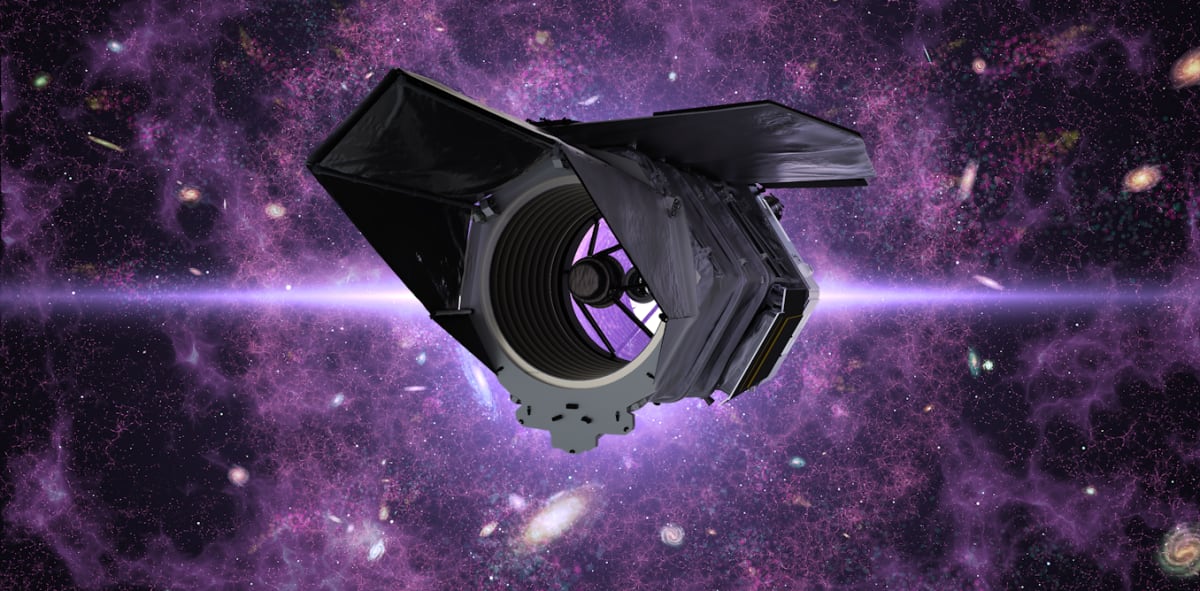
The timing aligns perfectly with upcoming missions like the Nancy Grace Roman Space Telescope launching in 2026 and the planned Habitable Worlds Observatory in the late 2030s. Each advance builds on the last, accelerating our cosmic detective work.
Finding another world where life might exist would fundamentally change how we see ourselves in the universe, and that discovery might be closer than we think.
Based on reporting by Google: James Webb telescope
This story was written by BrightWire based on verified news reports.
Spread the positivity!
Share this good news with someone who needs it