Tokyo Airport Testing Robot Baggage Handlers by 2026
Japan Airlines will deploy humanoid robots to handle luggage and cargo at Tokyo's Haneda Airport starting May 2026, tackling a critical labor shortage. The two-year trial could revolutionize how airports operate worldwide.
📺 Watch the full story above
Tokyo's second-busiest airport is getting an AI-powered workforce that could change air travel forever.
Japan Airlines announced it will test humanoid robots as baggage handlers and cargo loaders at Haneda Airport beginning in May 2026. The two-year demonstration comes as Japan's airports struggle with a severe worker shortage that has left thousands of flights without proper ground crew support.
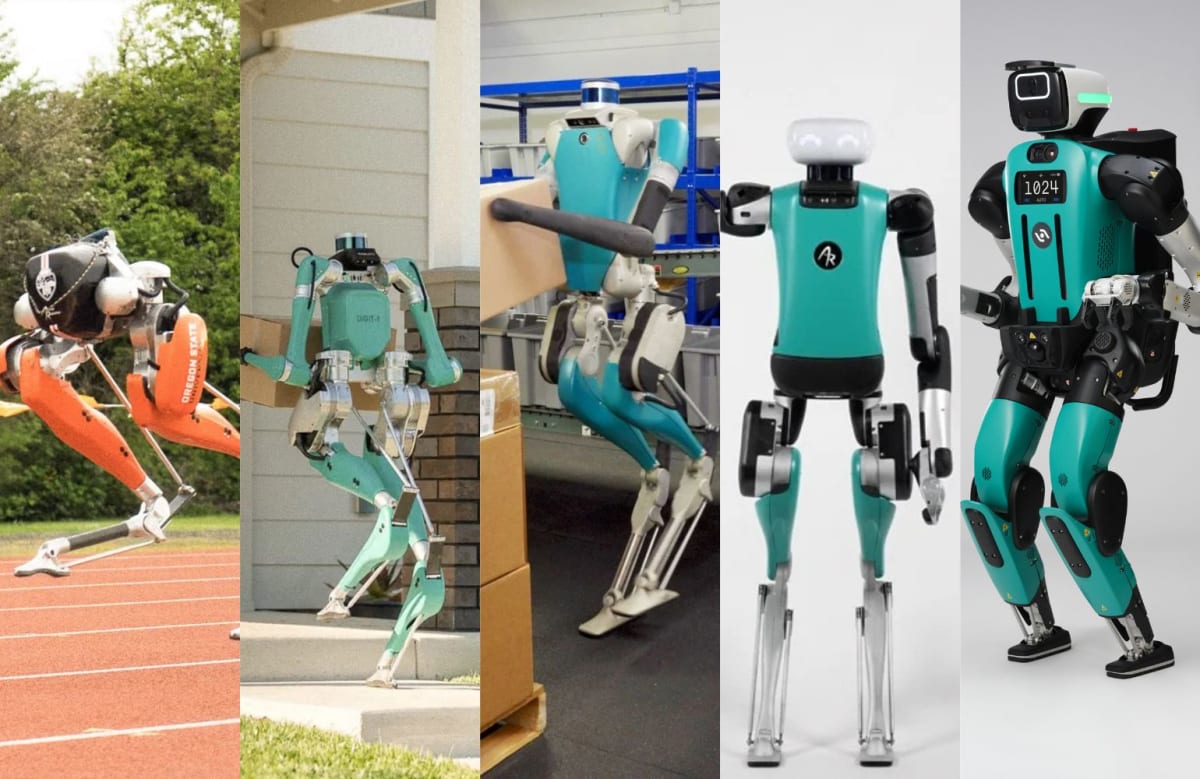
The robots, including models from Chinese companies Unitree Robotics and UBTECH Robotics, will eventually tackle multiple airport jobs. Tasks could expand from loading luggage to cleaning aircraft cabins and operating baggage carts.
The numbers tell a stark story about Japan's aviation labor crisis. Ground crew numbers dropped from 26,300 to 23,700 between March 2019 and September 2023 across the country. Tokyo's Narita Airport couldn't handle more than 30 percent of requested weekly flights in December 2023 simply because they lacked enough cargo handlers and ground staff.
Japan Airlines chose humanoid robots for a smart reason. Unlike traditional robotic arms that need special workstations, these AI-powered machines can adapt to existing airport layouts without expensive modifications. They're designed to work in the same spaces humans use, navigating the unpredictable environment of a busy international airport.
The robots face a genuine challenge proving their worth. Early demonstration footage shows one robot making pushing motions at a cargo container, but a human worker still had to start the conveyor belt. For the trial to succeed, these machines will need to match the speed and reliability of experienced human workers.
Safety comes first at Haneda Airport, where planes land every two minutes. The initial phase will focus on identifying which areas are safest for robots to operate alongside human staff.
The Ripple Effect
This trial extends beyond one airport's labor problems. If successful, affordable humanoid robots (the Unitree G1 starts at $13,500) could help airports worldwide handle growing passenger numbers without constant staffing headaches. The technology could free human workers for tasks requiring empathy and complex decision-making while robots handle the heavy lifting.
Countries facing aging populations and worker shortages are watching closely. What happens at Haneda could shape how we think about human-robot collaboration in service industries everywhere.
A future where helpful robots and humans work side by side at airports might arrive sooner than we think.
More Images



Based on reporting by Ars Technica
This story was written by BrightWire based on verified news reports.
Spread the positivity!
Share this good news with someone who needs it