US Startup Factorial Energy Takes Solid-State Batteries Public
A Massachusetts battery company is heading to Wall Street with technology that could triple electric vehicle range while making batteries safer and lighter. Military drones and robotics are helping speed up the timeline.
📺 Watch the full story above
After years of research, the future of electric vehicle batteries is finally ready for prime time.
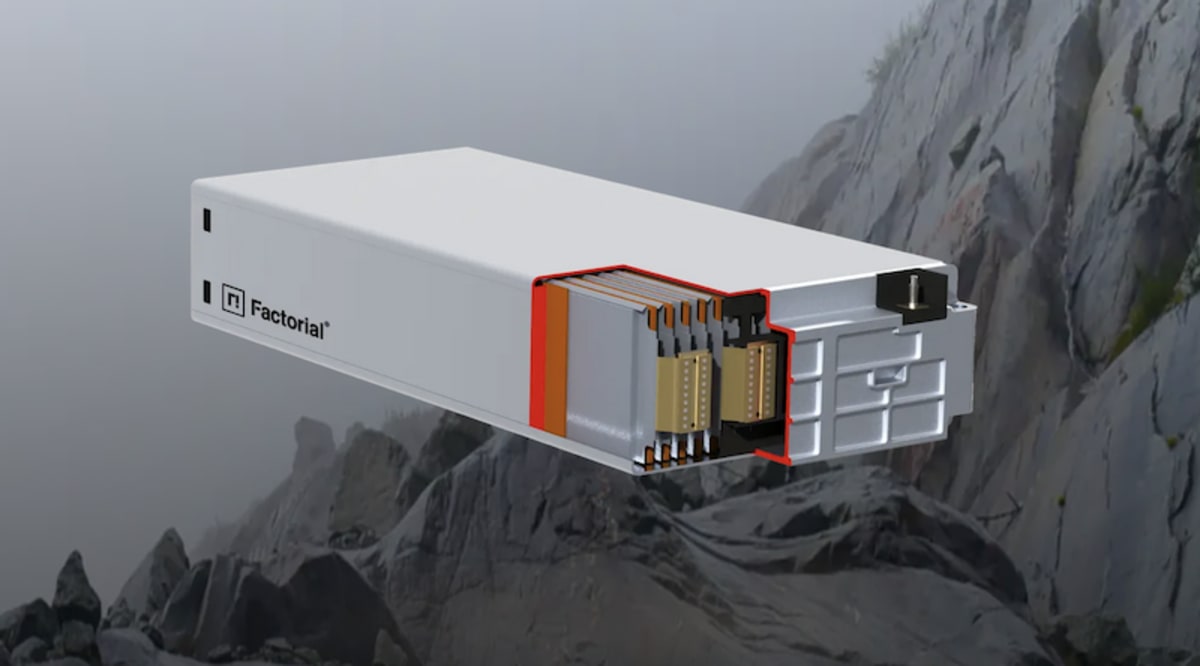
Factorial Energy, a US startup backed by Mercedes-Benz, Stellantis, Hyundai, and Kia, announced it's going public on Nasdaq with a valuation of $1.1 billion. The company makes solid-state batteries that replace the liquid chemicals in today's EV batteries with more stable, higher-performing materials.
The technology matters because it solves three major challenges at once. Solid-state batteries can store more energy in less space, they're safer because they don't contain flammable liquids, and they work better in extreme temperatures.
CEO Dr. Siyu Huang says the public listing will provide the capital and visibility needed to bring these transformative batteries to market. The company secured $100 million in new funding from institutional investors who believe the technology is ready to scale.
What's speeding things up is an unexpected market: military drones and robotics. These applications desperately need lightweight batteries that can handle harsh conditions and deliver long range. The defense sector isn't willing to wait for incremental improvements.
In March, Factorial received investment from IQT, a strategic investor focused on national security technology. The company also partnered with Korean battery supply chain leaders Philenergy and POSCO Future M to build manufacturing capacity quickly.
Dr. Dieter Zetsche, former chairman of Daimler who led the company for 13 years, joined Factorial's board in April. His presence signals serious automotive industry confidence in the technology.
The Ripple Effect
While defense applications are accelerating development, passenger vehicles will benefit most. Imagine electric cars that travel 600 miles on a single charge instead of 200, recharge faster, and never worry drivers in Minnesota winters or Arizona summers.
The technology also addresses supply chain concerns. By working with trusted allies in the US, Hungary, and South Korea, Factorial is building what it calls a "resilient battery ecosystem" that doesn't depend on any single country.
Manufacturing partner Philenergy already operates facilities across three continents, meaning production can ramp up quickly once the technology proves itself in early applications. What starts with military drones this year could be powering family road trips by decade's end.
The company expects its business combination to close by mid-2025, putting it on track to begin commercial production soon after. Every electric vehicle on the road is one less tailpipe pumping emissions into the air our kids breathe.
Based on reporting by CleanTechnica
This story was written by BrightWire based on verified news reports.
Spread the positivity!
Share this good news with someone who needs it