Virginia Legalizes Plug-and-Play Solar for Homeowners
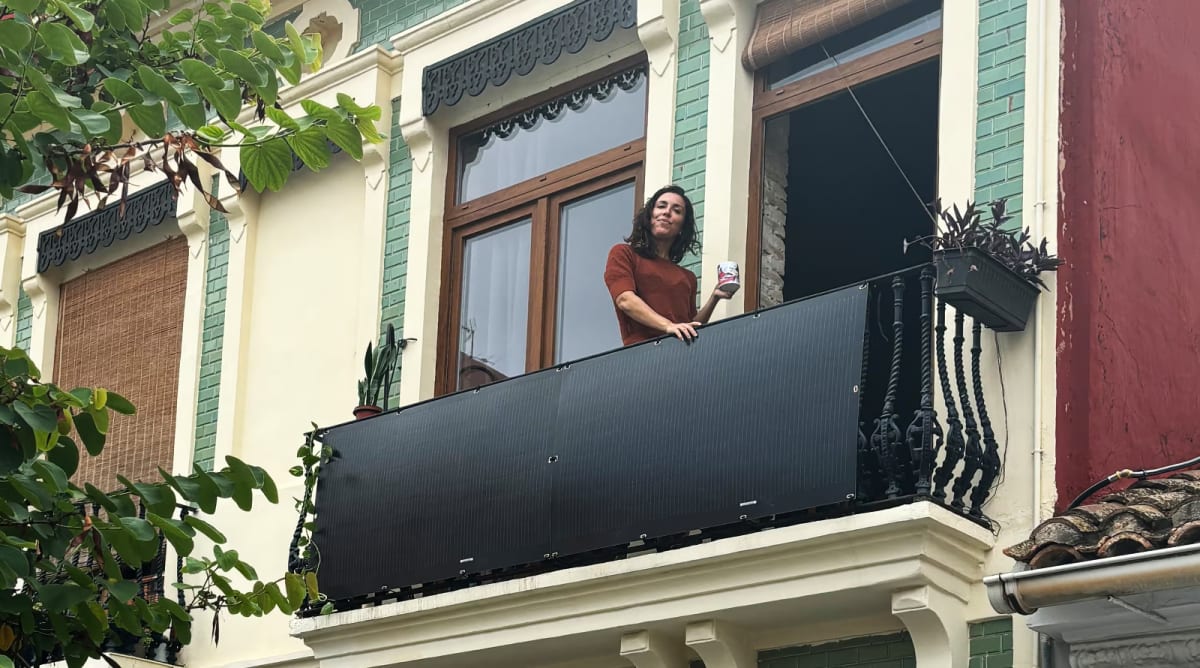
Virginia just became the third state to legalize balcony solar panels that homeowners can install themselves without permits or professional help. The move removes a major barrier to making solar power accessible for renters and homeowners alike.
📺 Watch the full story above
Imagine plugging in a solar panel on your balcony as easily as you'd plug in a lamp, then watching your electric bill drop. That's exactly what Virginians can now do, thanks to a new law that just took effect this month.
Virginia joined Utah and Maine as the third state to legalize plug-and-play solar systems, also called balcony solar. These compact panels let homeowners and renters generate their own clean energy without waiting for permits, paying installation fees, or hiring contractors.
The new law (HB 395) prohibits any city or county in Virginia from banning these systems on residential buildings. The only requirements are simple: panels must be 1,200 watts or less (about the power of a hair dryer), follow local zoning rules, not send excess power back to the grid, and meet national electrical safety standards.
This matters because traditional rooftop solar still faces serious hurdles. Permitting can take months and cost hundreds of dollars. Upfront installation costs often run into tens of thousands. And homeowners planning to replace their roof soon usually wait years before considering solar.
Plug-and-play solar sidesteps all of that. These systems typically cost a few hundred dollars, require no special skills to set up, and start saving money on day one. Renters can take them when they move.
The Ripple Effect
While 1,200 watts won't power an entire home, it can meaningfully offset electricity use for lights, devices, and small appliances. For apartment dwellers who've never had access to solar power, that's a game changer.
The real impact goes beyond individual savings. As more states watch Virginia's example, momentum builds for removing outdated regulations that make clean energy unnecessarily complicated. Exhaustive safety analyses confirm these systems pose no risk when they meet national electrical codes, and UL (the safety certification organization) has published clear guidelines for safe installation.
Solar power already accounts for most new electricity capacity being built nationwide, but residential adoption still lags far behind potential. Laws like Virginia's help close that gap by making solar as simple as it should be.
The question now isn't whether plug-and-play solar works. It's why all 50 states haven't legalized it yet.
More Images

Based on reporting by CleanTechnica
This story was written by BrightWire based on verified news reports.
Spread the positivity!
Share this good news with someone who needs it