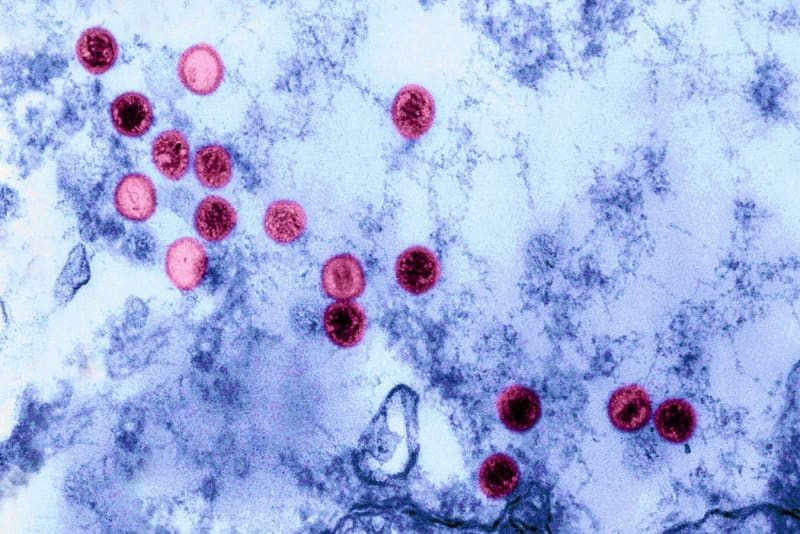
1 in 10 People Carry Genes That Make Them Vulnerable to EBV
Scientists just discovered why some people develop serious autoimmune diseases from a common virus while most people stay healthy. The breakthrough could lead to targeted treatments and vaccines that prevent conditions like multiple sclerosis and lupus.
Almost everyone catches the Epstein-Barr virus at some point in their lives, but researchers finally understand why only some people develop devastating autoimmune diseases from it.
A groundbreaking study of over 735,000 people revealed that about 1 in 10 carry genetic variants that make them especially vulnerable to EBV. While most people's immune systems clear the virus quickly, these individuals can't shake it, leading their bodies to attack themselves.
Scientists from Memorial Sloan Kettering Cancer Center and Baylor College of Medicine made the discovery by examining blood samples that contained traces of EBV DNA. They found that 9.7% of participants had significantly higher levels of the virus in their cells, meaning their bodies never fully cleared the infection.
The team identified 22 regions of the human genome associated with these higher EBV levels. Many of these genetic regions had already been linked to autoimmune conditions like rheumatoid arthritis and lupus, connecting the dots between the virus and chronic illness.
The strongest link was to genes that help our immune system tell the difference between our own cells and invaders. People with certain variants in these genes struggle to detect EBV properly, allowing it to persist and continuously prod the immune system until it malfunctions.
The research adds powerful evidence that EBV causes multiple sclerosis, where nerve damage leads to walking difficulties. It also suggests connections to chronic fatigue syndrome, though scientists need more research to understand that relationship fully.
The Bright Side
This discovery opens doors to real solutions. Scientists now know exactly which parts of the immune system are disrupted by persistent EBV, creating clear targets for new treatments.
Researchers are also developing vaccines against EBV. While still experimental, vaccination could prevent the virus from taking hold in the first place, potentially stopping autoimmune conditions before they start.
For people already living with EBV-related conditions, understanding the genetic component means doctors could eventually offer personalized treatments based on someone's specific genetic variants. That targeted approach could reduce the devastating toll these conditions take on millions of people worldwide.
The findings also validate what patients have experienced all along. Their immune systems genuinely respond differently to this common virus, and now science has the receipts.
Understanding why some people get sick while others stay healthy has puzzled doctors for decades, but this massive study brings clear answers and hope for better treatments ahead.
More Images


Based on reporting by New Scientist
This story was written by BrightWire based on verified news reports.
Spread the positivity!
Share this good news with someone who needs it