10-Year Whale Shark Study Creates New Protected Area
Indonesian fishers and scientists teamed up for a decade to track whale sharks, revealing hidden migration routes and nursery grounds. Their groundbreaking work just helped Indonesia create a new marine sanctuary for the world's largest fish.
For 10 years, Indonesian fishers and marine biologists worked side by side to unlock the secret lives of whale sharks, and their partnership just paid off in a big way.
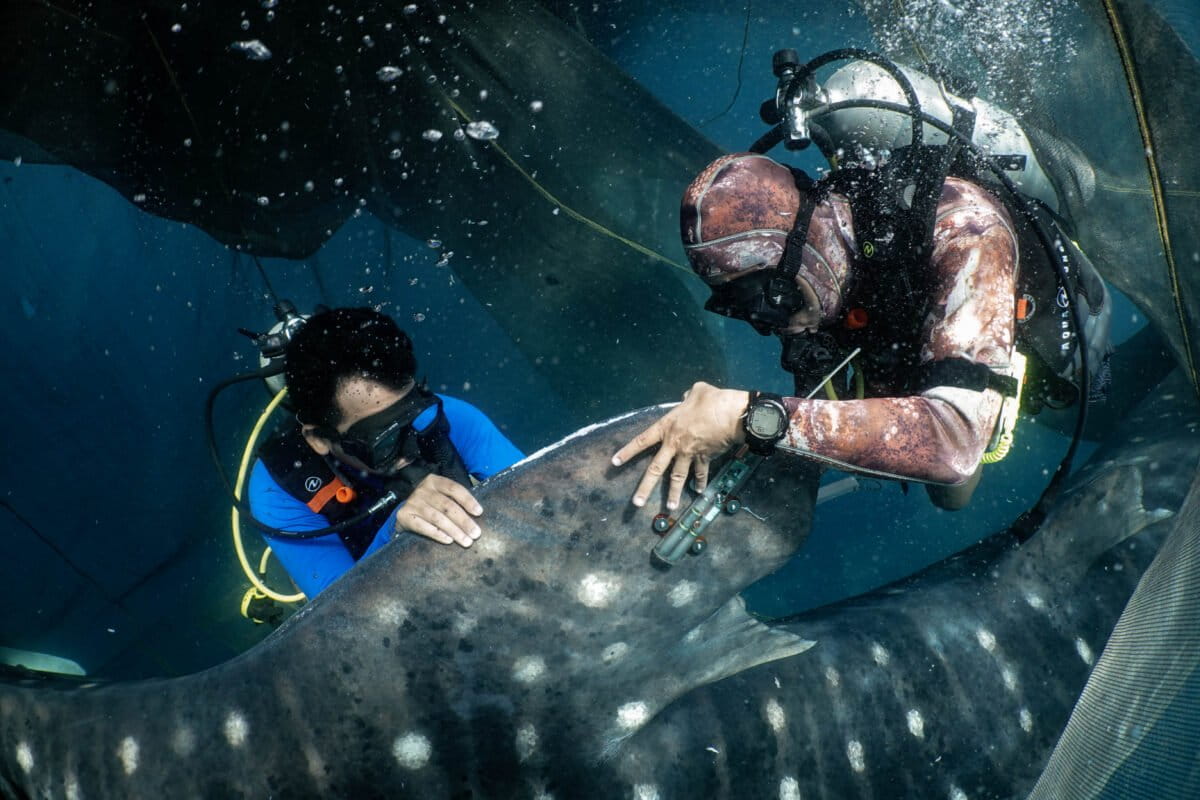
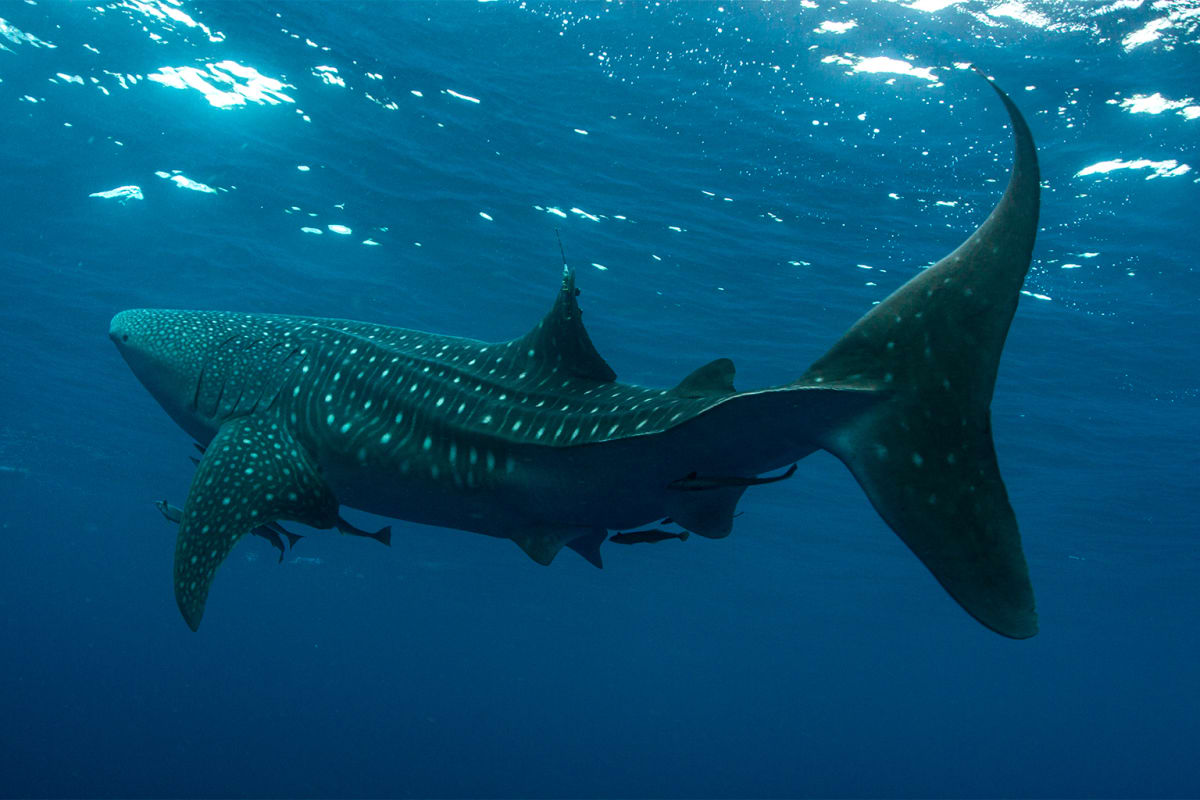
Scientists from Conservation International and the Elasmobranch Institute Indonesia tagged more than 70 whale sharks between 2015 and 2025, creating one of the world's largest tracking datasets for these gentle giants. The data revealed previously unknown migration routes, feeding grounds, and even a whale shark nursery that no one knew existed.
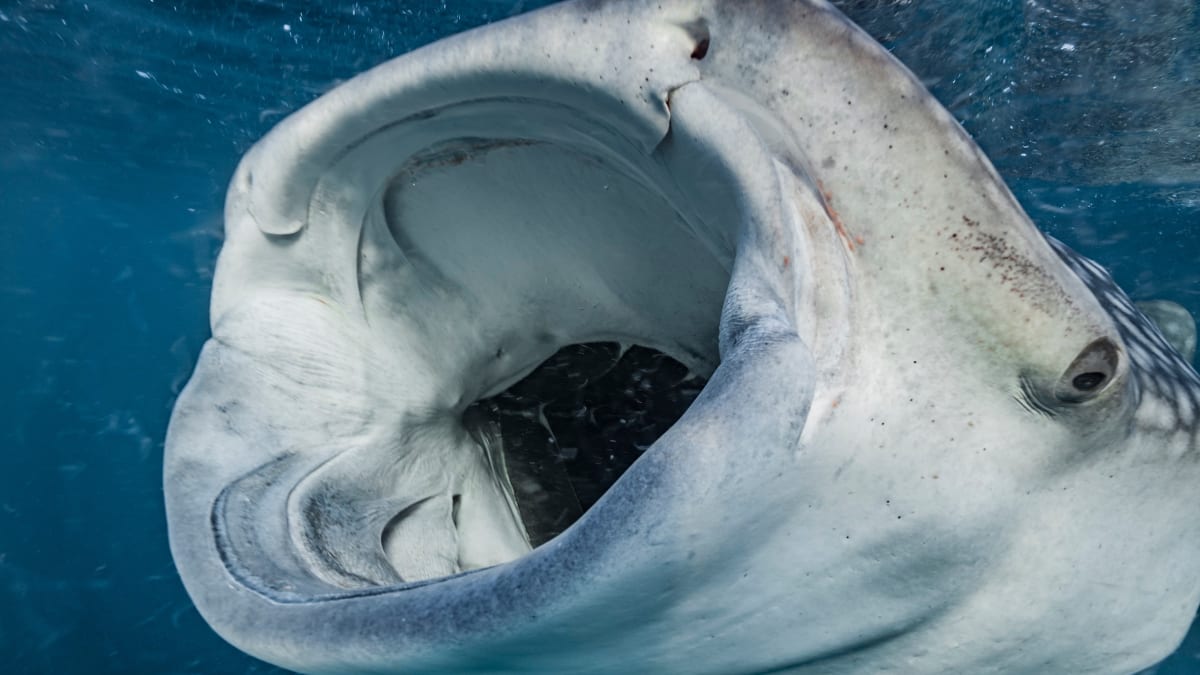
The breakthrough came from an unlikely friendship. Bagan fishers work from floating wooden platforms, using lights at night to attract schools of anchovies into their nets. Whale sharks, which can grow up to 66 feet long, learned to gather around these platforms to feast on the small fish.
"The whale sharks are a good omen for the fishers because they know when the whale sharks come, that means that lots of small fish or anchovies are around," says Edy Setyawan, lead conservation scientist. The fishers initially worried about accidentally catching the massive creatures, but scientists showed them how to safely hold whale sharks in their nets for tagging.
The new satellite tags delivered up to three years of data, far longer than the six months possible with older methods. Blood tests confirmed the process didn't stress the animals.
The findings surprised researchers. Some whale sharks traveled north each June to Papua just as tuna spawned, while others made annual trips to the Timor Gap to coincide with southern bluefin tuna spawning. These were seasonal patterns scientists had never observed before.
The Ripple Effect
The decade of data is now helping Indonesia establish a whale shark marine protected area in Saleh Bay this year. The new sanctuary will include no-take zones covering key whale shark habitats like nursery grounds and mangroves that support the tiny creatures whale sharks eat.
This matters beyond Indonesia. While 60% of the world's whale sharks live in the Indo-Pacific, studying them has been incredibly difficult because they travel such vast distances. This detailed survey is the first of its kind in the region.
The partnership shows what's possible when local knowledge meets scientific research, turning fishers into conservation heroes alongside the scientists.
More Images


Based on reporting by Mongabay
This story was written by BrightWire based on verified news reports.
Spread the positivity!
Share this good news with someone who needs it