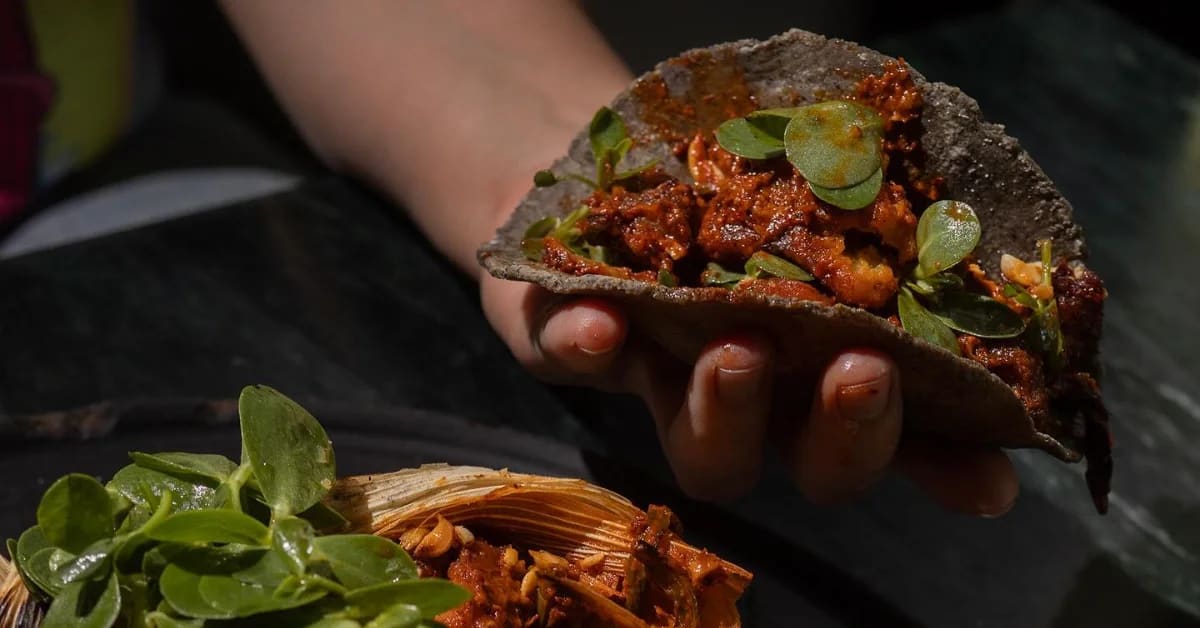
100 Restaurants in 14 Countries Join Pay What You Can Day
A Michelin-starred restaurant's pandemic experiment in trust has grown into a global movement. On August 26, 2026, diners worldwide can enjoy fine dining for whatever they can afford.
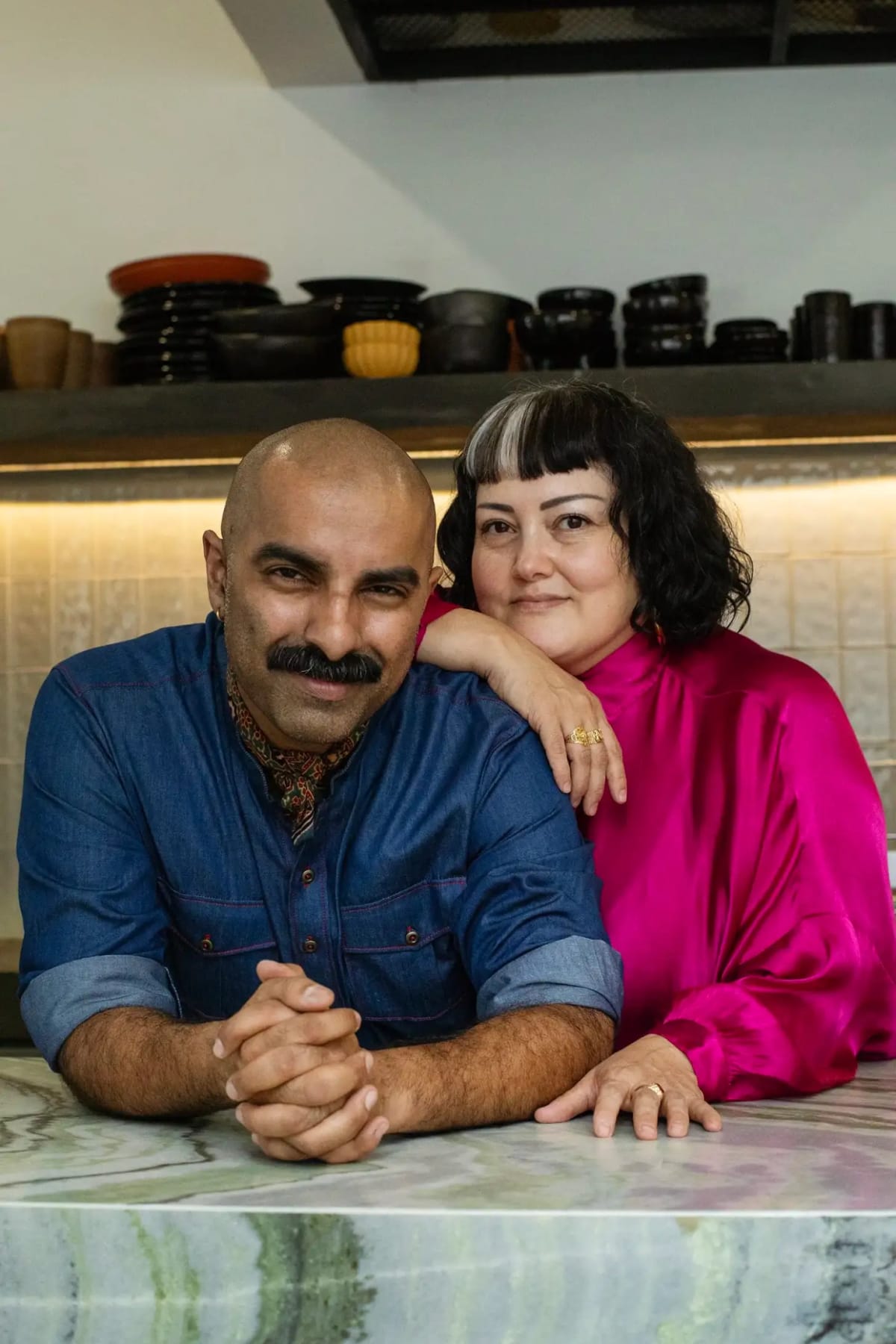
When Norma Listman and Saqib Keval started their Pay What You Can initiative during the pandemic, they had one simple question: What happens when you remove the price tag and ask people to pay what they honestly can?
The husband-and-wife team behind Mexico City's Michelin-starred Masala y Maíz wanted to keep their community fed and their staff working during lockdowns. They opened their doors and invited guests to name their own price for a fine dining meal.
The experiment worked beautifully. Diners showed up, paid what they could, and the restaurant stayed afloat while serving neighbors who might never have experienced a Michelin-starred meal otherwise.
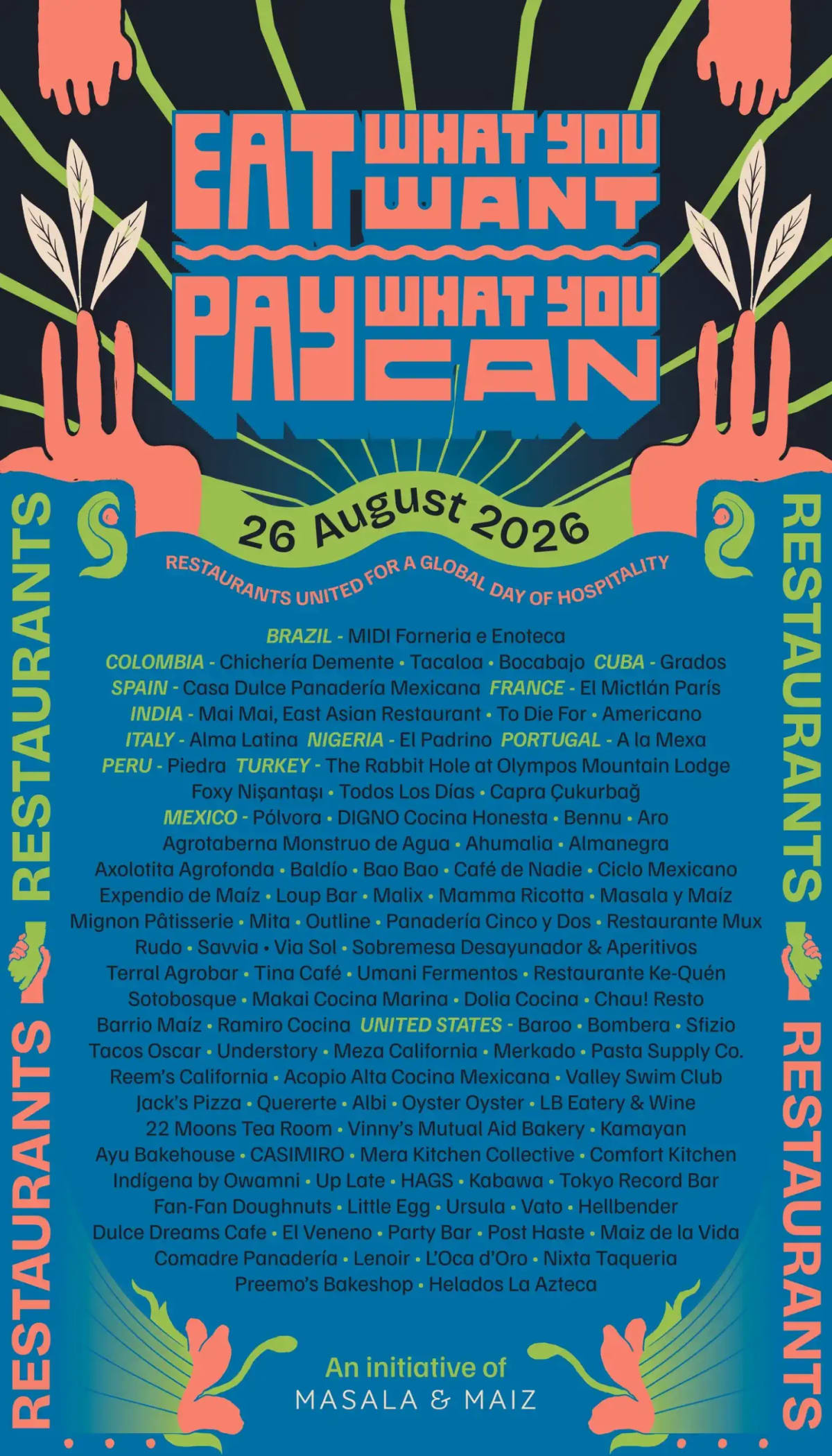
What started as a small gesture of community care has exploded into something remarkable. Last year, 20 Mexico City restaurants joined the initiative. This year, 100 restaurants across 14 countries will participate on August 26, 2026.
The list includes heavy hitters like Albi in Washington D.C. (ranked 33rd in North America's 50 Best Restaurants), Kabawa in New York City, and Oyster Oyster, another Michelin-starred spot. These aren't discounted experiences or charity events. Kitchens run at full capacity, staff earn their regular wages and tips, and the food is exactly what you'd get on any other night.
The only difference? Diners decide what to pay based on what they can afford.
The Ripple Effect
Listman and Keval say the growing movement reflects something deeper than just affordable meals. As dining out becomes more expensive, it increasingly segregates people along lines of class and race. The hospitality industry was built on bringing people together, but rising costs are pushing more people out.
"Hospitality has become a privilege only available to the few who can afford to pay for it," the couple explained. "That goes against why so many of us joined this industry in the first place."
The chefs joining this initiative want to change that reality. They're using their restaurants as platforms for building community, not just processing transactions. The model depends on mutual trust between restaurants and guests, with everyone recognizing their responsibility to care for one another.
For diners, it's a chance to reflect on the labor, care, and knowledge that goes into every meal. For restaurants, it's proof that generosity and sustainability don't have to oppose each other.
Expect long lines and full dining rooms across participating cities from New York to Oakland. More importantly, expect joy, belonging, and the kind of connection that happens when people share a meal without barriers.
What becomes possible when trust replaces transaction is exactly what these 100 restaurants will discover together.
More Images
Based on reporting by Good Good Good
This story was written by BrightWire based on verified news reports.
Spread the positivity!
Share this good news with someone who needs it