100 Years Since First Liquid Rocket Launch Changed History
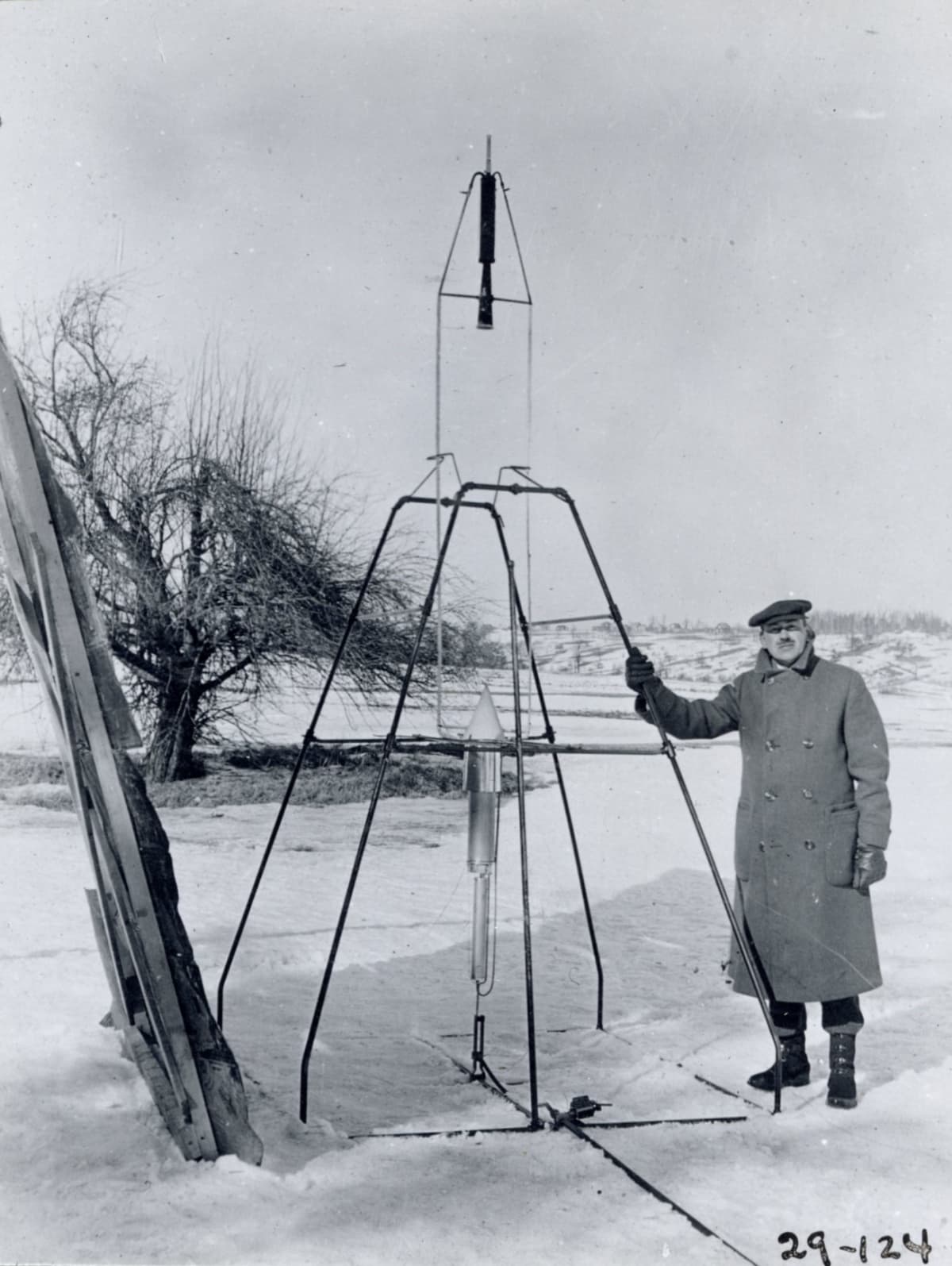
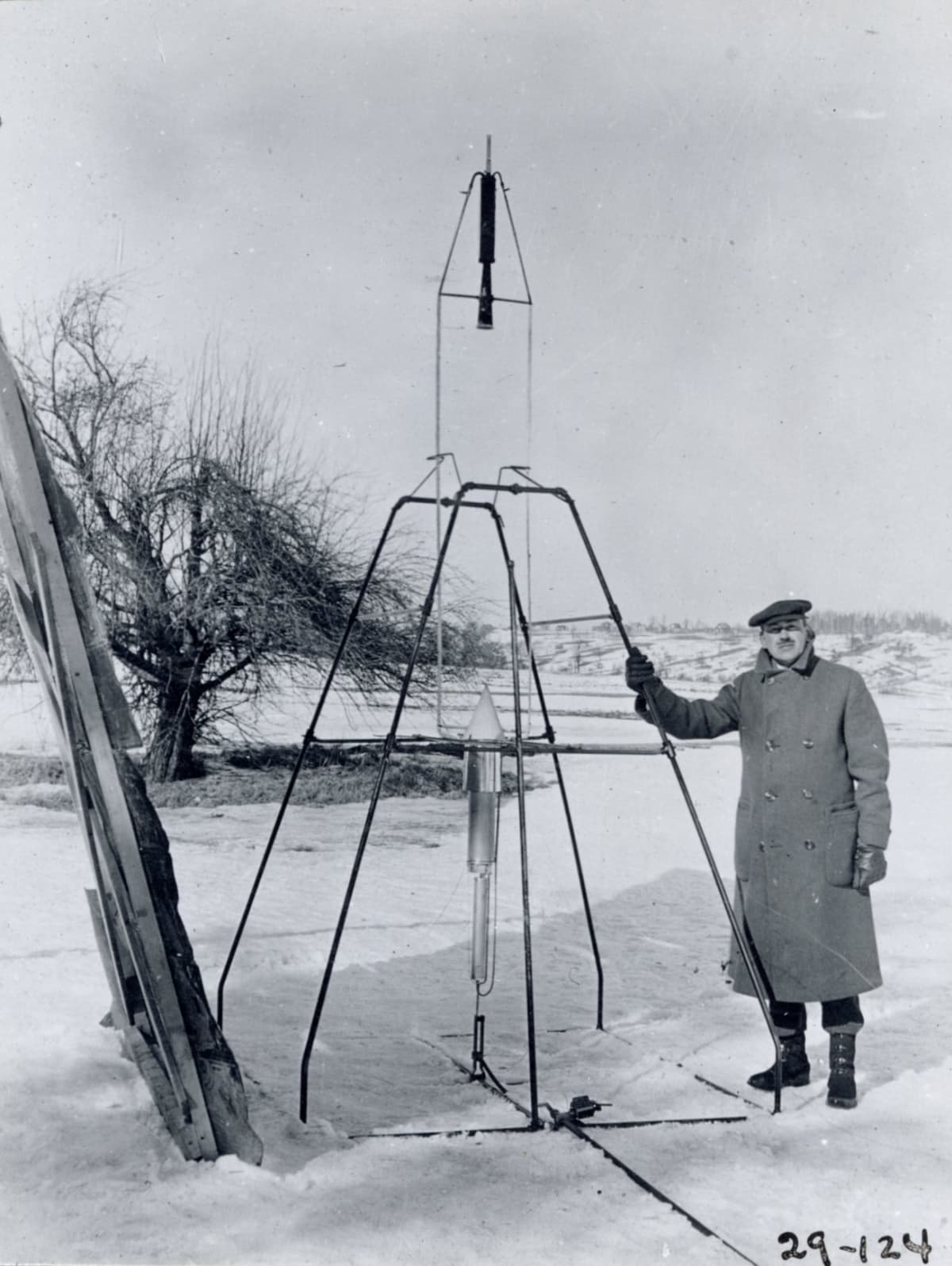
A rocket that flew for 2.5 seconds and landed in a cabbage patch changed everything. On March 16, 1926, Dr. Robert H. Goddard launched humanity into the space age.
One hundred years ago today, a rocket rose just 41 feet in the air, flew for 2.5 seconds, and crashed into a cabbage patch on a Massachusetts farm. That humble flight made everything from moon landings to GPS possible.
On March 16, 1926, physicist Dr. Robert H. Goddard stood on his Aunt Effie's farm in Auburn, Massachusetts, and launched the first liquid-fueled rocket in history. Powered by liquid oxygen and gasoline, his creation traveled 184 feet before landing among the cabbages.
By most measures, the flight looked unimpressive. But Goddard had just proven that liquid fuel could power rockets, opening a door that seemed impossible to most scientists of his era.
The young inventor didn't stop there. Over his lifetime, Goddard designed steering systems for rockets, invented fuel pumps that could handle the extreme demands of space travel, and created engines that could pivot for precise control.
Every technology he developed became a building block for future space exploration. His patents and designs would later guide the engineers who sent humans to the Moon and robots to Mars.
The Ripple Effect
Today, Goddard's 2.5-second flight touches nearly every part of modern life. Satellites that help us communicate, navigate, and predict weather all depend on liquid-fueled rockets to reach orbit.
The same technology lets scientists study climate change from space, helps rescue teams locate people in emergencies, and connects families across continents through instant communication. Space telescopes revealing the birth of galaxies reached their destinations on rockets built from Goddard's principles.
His work also inspired generations of dreamers and builders. Students studying aerospace engineering still learn his name in their first classes, and the Goddard Space Flight Center in Maryland honors his legacy every day.
The breakthrough came from persistence and belief in an idea others dismissed. Goddard faced skepticism from newspapers and even fellow scientists who thought space travel was fantasy.
A century later, his cabbage patch experiment proves that world-changing progress sometimes starts with small, imperfect steps that point toward something greater.
More Images

Based on reporting by NASA
This story was written by BrightWire based on verified news reports.
Spread the positivity!
Share this good news with someone who needs it