1,000 Endangered Salamanders Return to Mexico's Lake Pátzcuaro
After dwindling to fewer than 100 in the wild, critically endangered achoques are getting a second chance at survival. Conservationists just released 1,000 young salamanders into their only home on Earth.
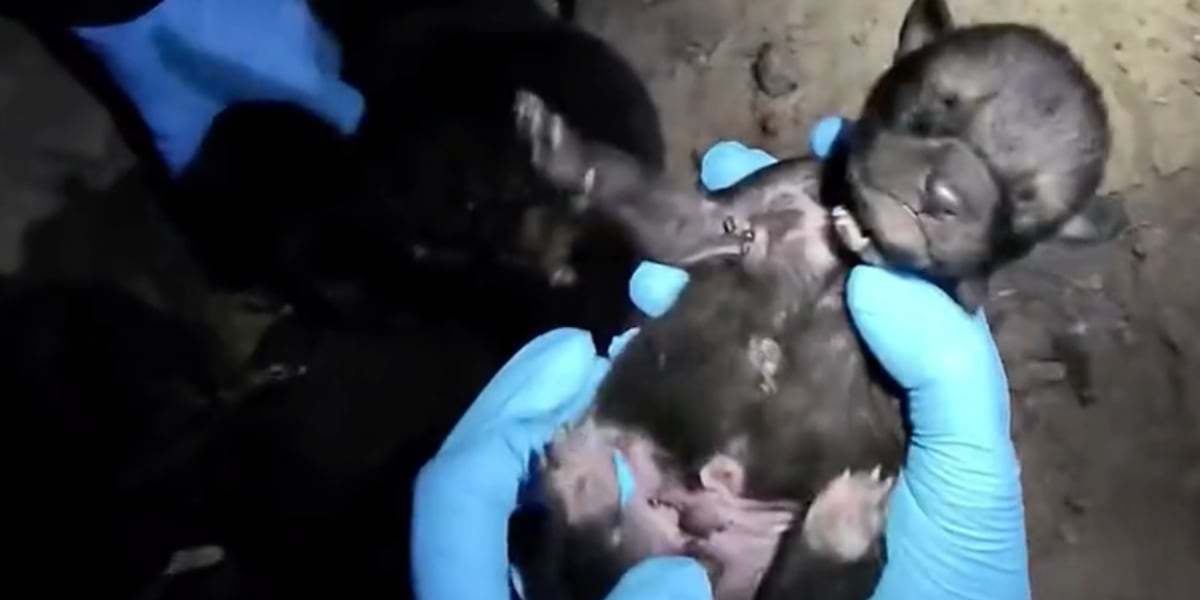
Lake Pátzcuaro in Michoacán, Mexico, just welcomed back 1,000 tiny residents who almost disappeared forever.
The Michoacán Fisheries Commission released critically endangered achoque salamanders this week, marking the largest conservation push yet for a species that teetered on the edge of extinction. These mystical amphibians, close cousins to Mexico City's famous axolotls, exist nowhere else on Earth.
Just eight years ago, experts counted fewer than 100 achoques surviving in the wild. Pollution, drought, invasive Asian carp, and human consumption nearly wiped them out completely. Local residents traditionally believed the salamanders had healing properties, adding pressure to already struggling populations.
"Today is an important day for Lake Pátzcuaro," said Ramón Hernández Orozco, head of the state fisheries commission. "We hope this is the beginning of the recovery of this endemic and mystical creature."
The released salamanders came from Kurucha Urapiti farm on La Pacanda island, where Armando González carefully breeds them from eggs collected directly from the lake. The young achoques, aged four to nine months, are now old enough to defend themselves against natural predators. Those born to captive parents stay in captivity, since their domesticated nature makes them unsuitable for wild release.
The farm breeds two other Lake Pátzcuaro species found nowhere else: pike silversides and Pátzcuaro chubs. Both fish species face similar threats and received their own reinforcements last year when 40,000 juveniles returned to the lake.
The Ripple Effect
This release caps off a decade of patient conservation work. Environmental authorities started reintroducing endemic species in 2016 with 3,000 fish, building toward an ambitious goal of one million juveniles repopulating Lake Pátzcuaro.
The strategy combines controlled breeding with strict release protocols, ensuring only genetically wild specimens return to their ancestral waters. González and his team monitor the full life cycles of three species, creating a blueprint for saving creatures that exist in just one fragile ecosystem.
Every achoque that survives represents hope that careful human intervention can reverse the damage we've caused.
Based on reporting by Mexico News Daily
This story was written by BrightWire based on verified news reports.
Spread the positivity!
Share this good news with someone who needs it