1,000-Year-Old Viking Houses Found in Poland
Archaeologists in Poland have discovered four remarkably preserved Viking-style houses that reveal how Scandinavian traders and local communities built a thriving medieval port together. The find is helping solve mysteries about one of the Baltic Sea's most important trading towns.
Four houses built a thousand years ago are rewriting what we know about how Vikings and Slavic communities created one of medieval Europe's busiest trading hubs.
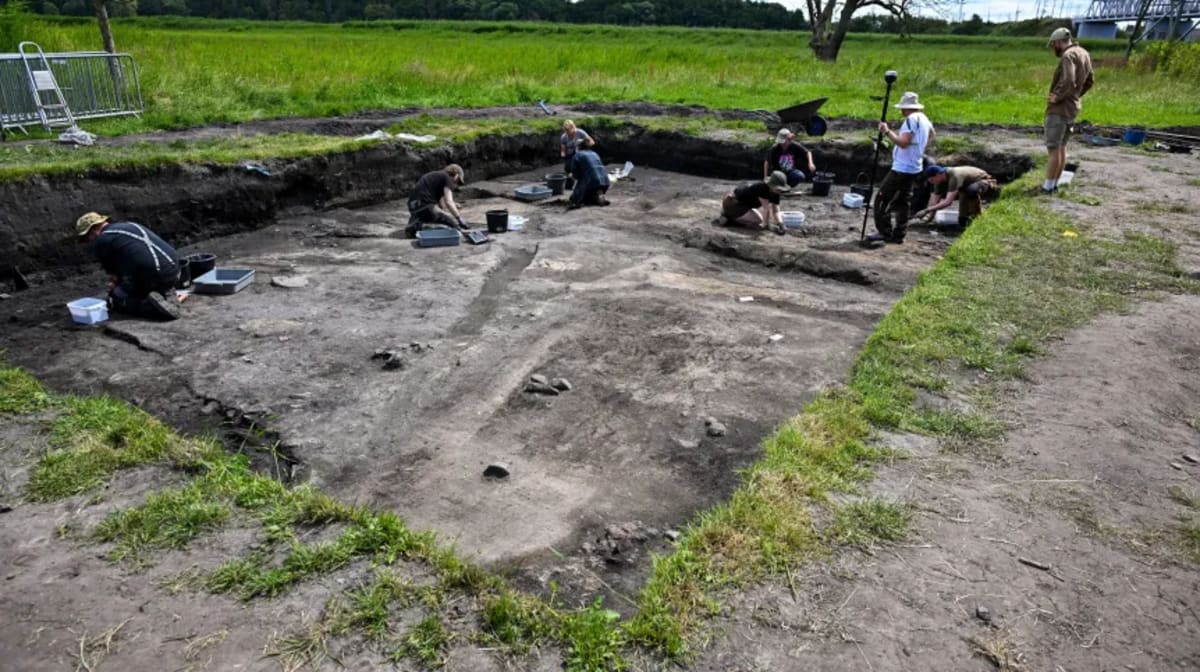
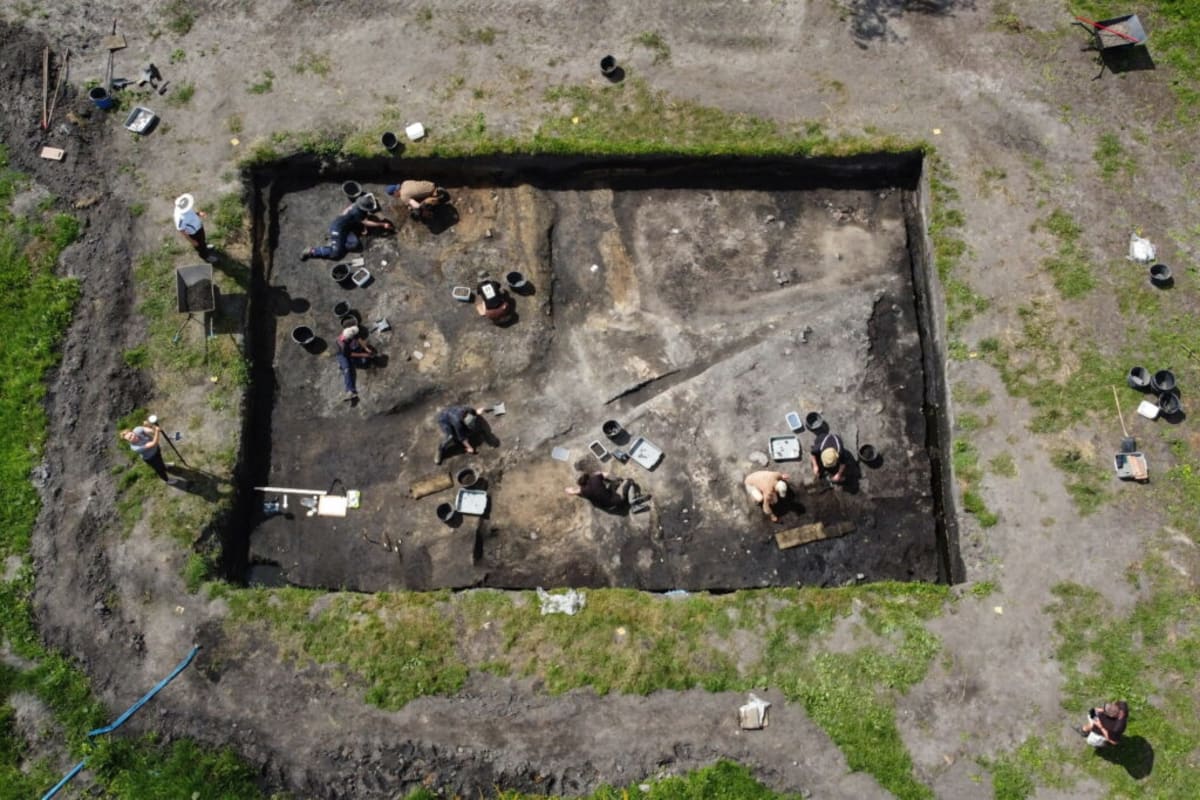
Polish and Danish archaeologists uncovered the structures at Wolin, a town near Poland's northwest coast that once connected Scandinavia with Central Europe through waterways and trade routes. The buildings date to the 11th or early 12th century and look nothing like other structures found in the predominantly Slavic town.
Each house sat on a platform made from clay and sand, measuring roughly 16 feet on each side. The buildings were packed so tightly together that drainage channels between them measured barely 20 inches wide, and some contained hearths while others had ovens for cooking or craftwork.
Dr. Wojciech Filipowiak, who leads the excavation, says the construction matches buildings from Scandinavian craft and trading centers around the Baltic Sea. While this doesn't prove Vikings built the houses, it suggests the Silver Hill neighborhood held special importance for Norse merchants and craftspeople who made Wolin their home or trading base.
The everyday objects surrounding the houses tell stories of long-distance connections. Archaeologists found amber and glass beads, metal ornaments, pottery, animal bones, and whetstones made from Norwegian stone that traveled hundreds of miles by ship to sharpen the tools of Wolin's craftspeople.
Some pottery carried mysterious marks that might have been family symbols passed between generations of potters or signs with ritual meanings. Their true purpose remains a puzzle researchers hope to solve.
The Ripple Effect
Wolin's success came from bringing different cultures together rather than keeping them apart. The town grew near the mouth of the Oder River, where by the mid-800s it had become one of the largest ports on the southern Baltic coast.
Archaeological evidence suggests Wolin kept its Slavic character while welcoming Scandinavian merchants, craftspeople, and possibly even short-term Norse leaders. Unlike other Baltic settlements where Scandinavian families put down permanent roots, Wolin seems to have maintained neighboring districts where different communities traded, worked, and built alongside each other.
The discovery matters beyond medieval history. It shows how prosperity flowed from cooperation between cultures rather than domination by one group over another.
The team is now digging deeper, hoping to find the original harbor beneath these houses. Those layers could reveal how Wolin first emerged as a major settlement in the 8th or 9th centuries, when ships carried goods and ideas between distant shores and turned a riverside settlement into an international meeting place.
A thousand years later, those foundations still have lessons to teach us about building communities that welcome everyone.
More Images
Based on reporting by Google: archaeological discovery
This story was written by BrightWire based on verified news reports.
Spread the positivity!
Share this good news with someone who needs it