10,000 Volunteers Planted 280,000 Trees to Save NZ Island
In just one decade, thousands of volunteers transformed a barren, treeless island off New Zealand's coast into a thriving sanctuary for the country's rarest birds. Tiritiri Matangi went from 4% forest cover to a lush paradise where endangered species now flourish.
Picture an island stripped nearly bare, just 4% of its original forest remaining after a century of farming. Now imagine that same island transformed into a dense, singing forest where some of the world's rarest birds raise their young.
That's the real story of Tiritiri Matangi, a small island in New Zealand's Hauraki Gulf. By the 1970s, decades of livestock farming had reduced it to windswept grassland with barely a tree in sight.
In 1984, scientists and community groups launched an audacious plan. They would replant the entire island with native forest and turn it into an "open sanctuary" where anyone could visit and witness conservation in action.
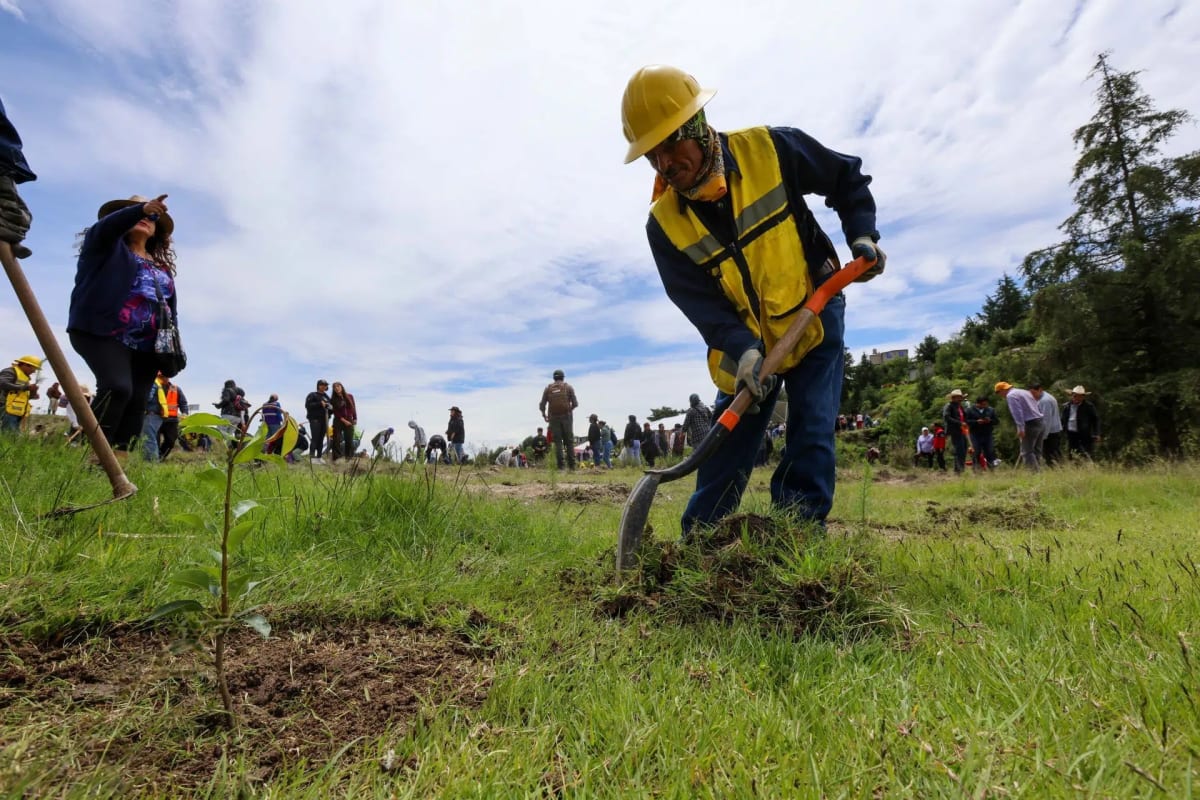
Over the next ten years, roughly 10,000 volunteers joined what became known as the "spade brigade." Armed with distinctive pointed spades, they planted 280,000 native trees and shrubs across the island's hills and valleys.
Some groups traveled to the island monthly, planting between 1,000 and 1,400 seedlings per visit. One remarkable team of 120 volunteers set a record by planting 2,000 trees in just two hours.
The volunteers started with hardy species like pōhutukawa that could survive the island's harsh, windy conditions. As these pioneer trees grew, they created shelter that allowed more delicate species to take root, building a forest layer by layer.
By 1994, forest cover had exploded from 4% to over 60%. But trees alone wouldn't save the island's wildlife.
Conservationists eradicated all rats from the island and established strict biosecurity to keep predators out. With a safe habitat restored, they began bringing back New Zealand's most threatened birds.
The Ripple Effect
Today, Tiritiri Matangi hosts thriving populations of species on the edge of extinction. The takahē, kōkako, stitchbird, saddleback and little spotted kiwi now call the island home, many breeding successfully for the first time in generations.
The island has become more than a sanctuary. It's a living classroom where thousands of school children and visitors each year can see rare native birds in the wild, something impossible in most of New Zealand.
The success stories keep multiplying. Bird populations are growing so strong that Tiritiri Matangi now serves as a source island, with healthy birds relocated to establish new populations in other protected areas across the country.
What started as one degraded island and a community armed with spades has become a blueprint for conservation worldwide. The model proves that with enough determination and volunteer power, even severely damaged ecosystems can bounce back within a single generation.
From barren farmland to forest symphony in just thirty years, all because ordinary people showed up with spades and hope.
More Images



Based on reporting by Regional: new zealand success story (NZ)
This story was written by BrightWire based on verified news reports.
Spread the positivity!
Share this good news with someone who needs it