12,000 Native Trees Restore 9 Ontario Parks After Storms
Nine Ontario provincial parks damaged by storms, invasive species, and shoreline erosion just received a major green makeover. A national charity and Ontario Parks teamed up to plant 12,000 native trees and shrubs, breathing new life into these beloved natural spaces.
When extreme weather battered Ontario's provincial parks, leaving trails of damage and bare hillsides, thousands of native trees arrived as reinforcements.
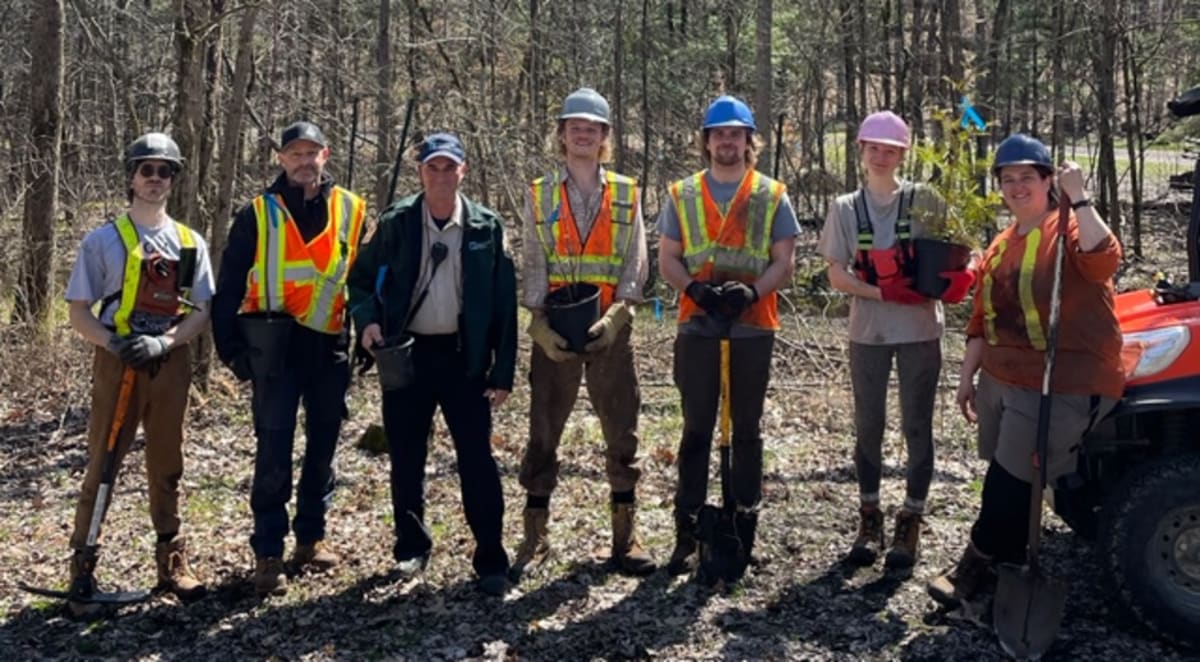
Forests Canada and Ontario Parks joined forces to plant 12,000 native trees and shrubs across nine provincial parks this past fall and spring. The ambitious restoration project targeted areas hit by storms, invasive species, tree disease, and shoreline erosion.
The effort spread across Charleston Lake, Craigleith, Emily, McRae Point, Presqu'ile, Rock Point, Samuel de Champlain, Sibbald Point, and Turkey Point Provincial Parks. Teams planted 4,500 potted trees and shrubs representing 39 different native species in carefully selected locations.
Samuel de Champlain Provincial Park received extra attention after devastating storm damage forced its closure in June 2025. Crews planted an additional 7,500 seedlings there to help the park recover and reopen for families.
"We approach our forest recovery work in a systematic way, considering every stage from seed collection and seedling production to planting and long-term survival," says Jess Kaknevicius, CEO of Forests Canada. The organization's expertise turned what could have been years of slow natural recovery into targeted, science-backed restoration.
The project brought together five nurseries and five planting partners to move quickly without sacrificing quality. This network approach meant local communities benefited through jobs and contracts while parks got healthier.
The Ripple Effect
The restoration does more than make parks prettier. The Species Conservation Program supported the work, meaning these 12,000 plants will help rebuild habitats for at-risk wildlife and restore biodiversity that took hits during the damage.
Ontario's Minister of the Environment, Conservation and Parks Todd McCarthy emphasized that healthy parks mean more families can explore the outdoors for generations. When parks bounce back from setbacks, they continue serving as outdoor classrooms, weekend destinations, and critical green spaces.
Mark McDermid, Forests Canada's Seed & Stock Specialist, noted the enthusiasm from park staff who watched their damaged landscapes transform. "When we invest in restoration, we are also investing in our local communities," he says.
These trees will grow for decades, filtering air, preventing erosion, and providing shade and shelter for countless species.
More Images



Based on reporting by Google News - Reforestation
This story was written by BrightWire based on verified news reports.
Spread the positivity!
Share this good news with someone who needs it