150 Women Artisans Transform Ancient Mithila Art into Income
Women painters in rural Bihar are turning traditional Mithila art into sustainable careers through a program that combines ancient techniques with modern design. The initiative has already empowered 150 artisans across India's poorest state to earn steady income while preserving their cultural heritage.
Women in Bihar's Madhubani and Darbhanga districts are painting their way out of poverty while keeping a 2,500-year-old art form alive.
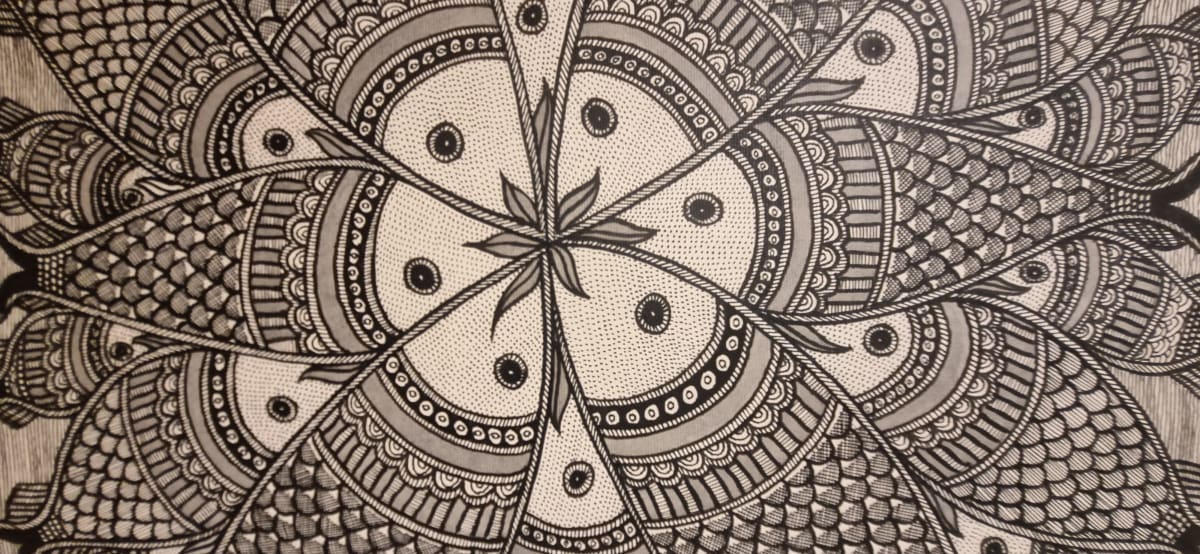
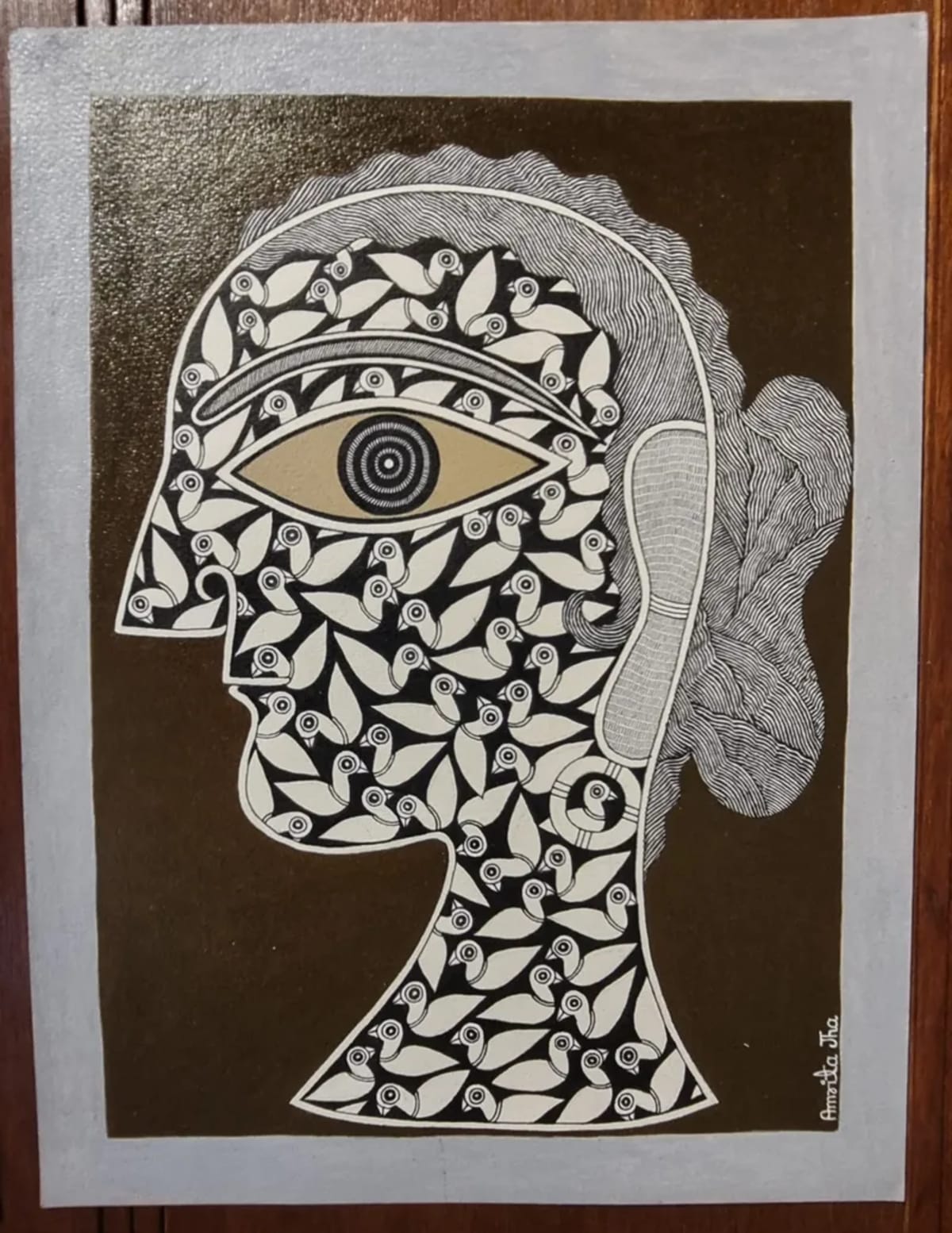
The MAATI program (Mithila Art Artisan Transformative Initiative) works with 150 women artisans who practice Mithila painting, a traditional folk art once limited to household walls and religious ceremonies. Now these intricate designs are appearing on home décor, textiles, kitchenware, and furniture that reach urban markets across India and beyond.
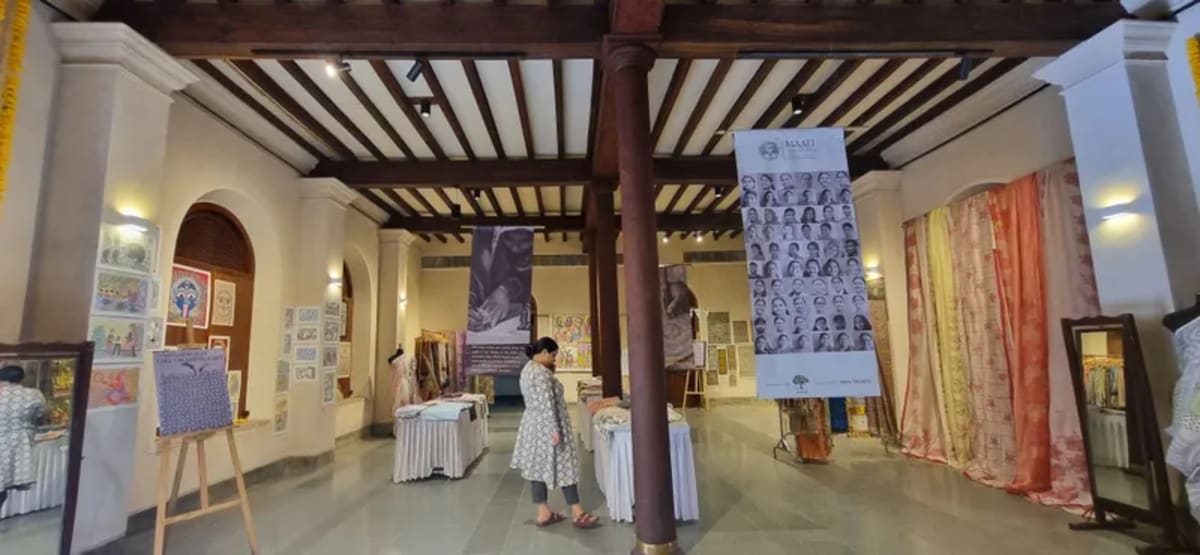
The transformation happens at The Crafts School in Bengaluru, where traditional artisans meet contemporary designers. Together, they reimagine ancient motifs for modern living spaces without losing cultural meaning. A recent two-day showcase at Sabha, a restored 160-year-old heritage venue, connected the artisans directly with interior designers, retailers, and collectors.
What makes this different from typical craft programs is the business model. Artisans don't just create products; they participate in design decisions, set fair prices, and retain recognition for their work. They learn to negotiate with buyers and understand intellectual property rights over their cultural designs.
The results speak volumes. The parent organization KADAM has impacted over 10,000 artisans across six states in 18 years, focusing on natural fibers and sustainable materials. For many families, steady craft income means their daughters can stay in school and their sons don't need to migrate to cities for construction work.
The exhibition featured artisan-led storytelling sessions where the women explained the symbolism behind their designs. Visitors learned that specific patterns represent fertility, prosperity, or protection, knowledge passed down through generations of mothers teaching daughters.
The Ripple Effect
When traditional art generates real income, entire communities benefit. Young people who might have abandoned their villages for uncertain city jobs now see a future in learning ancestral skills. Pride returns to communities when urban India values their cultural contributions enough to pay fair prices.
The program proves that heritage preservation doesn't require museums or government subsidies alone. When traditional knowledge meets thoughtful design and transparent business practices, culture becomes economically viable. Artisans earn predictable income, consumers get unique handcrafted products, and ancient art forms survive into the next generation.
Other states are watching Bihar's model closely. Similar initiatives are emerging for tribal art from Odisha, Gujarat, and Rajasthan, all asking the same question: how can we transform cultural heritage into sustainable livelihoods?
The women of MAATI are showing the answer, one brushstroke at a time.
More Images


Based on reporting by YourStory India
This story was written by BrightWire based on verified news reports.
Spread the positivity!
Share this good news with someone who needs it