158 Giant Tortoises Return to Galápagos After 150 Years
Giant tortoises are back on Ecuador's Floreana Island after vanishing 150 years ago, marking a major win for conservation. The 158 young tortoises carry up to 80% of the extinct species' DNA and will help restore the island's ecosystem.
After nearly 150 years of silence, the slow, steady shuffle of giant tortoises has returned to Floreana Island in Ecuador's Galápagos archipelago.
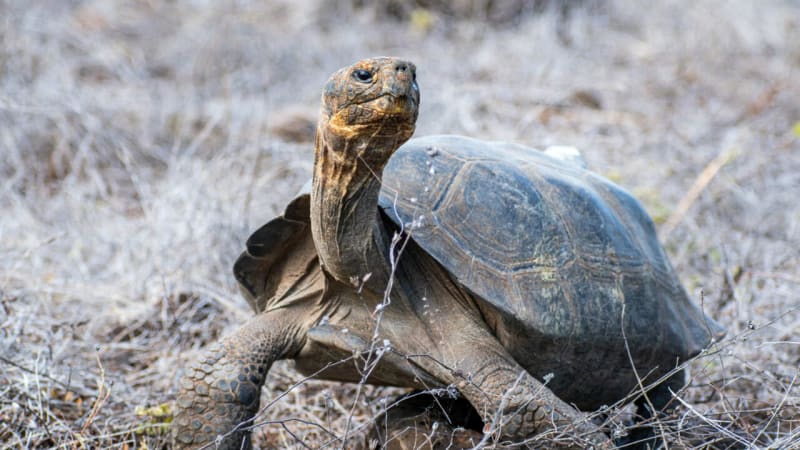
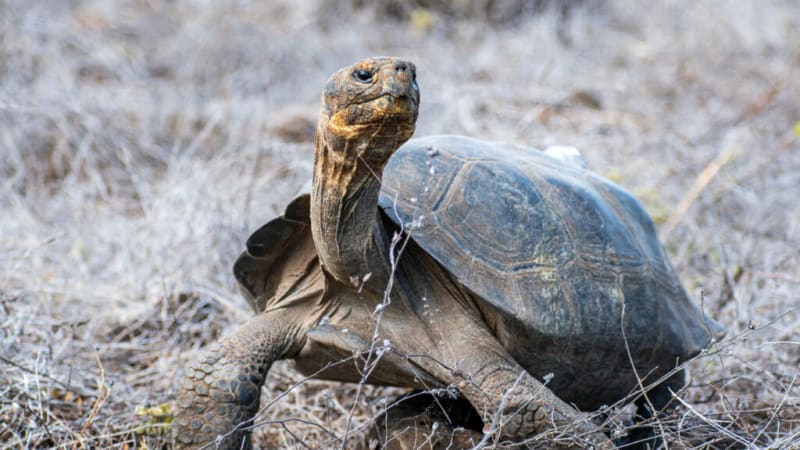
On Friday, 158 juvenile tortoises took their first steps on an island their ancestors once dominated by the thousands. These aren't just any tortoises. They're genetic marvels carrying 40% to 80% of the DNA from Chelonoidis niger, a species wiped out a century and a half ago.
The young reptiles, aged 8 to 13, were carefully bred at the Galápagos National Park breeding center on Santa Cruz Island. Scientists selected only the strongest specimens with the most robust genetic lineage for this historic release.
"They are large enough to be released and can defend themselves against introduced animals such as rats and cats," said Fredy Villalba, director of the breeding center. The timing was perfect too. The tortoises arrived just as the season's first winter rains began to fall.
Floreana once sheltered about 20,000 giant tortoises. But whaling ships hunted them for food, fires ravaged their habitat, and relentless human exploitation drove them to complete extinction on the island. The species seemed lost forever until scientists discovered hybrids with Floreana DNA living on Wolf Volcano on nearby Isabela Island.
That discovery sparked a breeding program aimed at bringing the extinct species back to something close to its original form. "In genetic terms, reintroducing a species to that island with a significant genetic component of the original species is vital," said Washington Tapia, a biologist and director of Biodiversa-Consultores.
The 158 newcomers are just the beginning. Over time, 700 tortoises will gradually repopulate Floreana, reshaping the ecosystem they were designed to maintain. These gentle giants act as gardeners, spreading seeds and clearing vegetation as they roam.
They'll share their 67-square-mile volcanic home with nearly 200 human residents, plus flamingos, iguanas, penguins, sea gulls, and hawks. The tortoises must also navigate threats from invasive species like rats, cats, pigs, and donkeys brought by humans over the centuries.
The Bright Side
This project proves that extinction doesn't always have to be final. By using cutting-edge genetics and patient breeding programs, scientists are literally bringing back lost species one tortoise at a time.
For Floreana resident Veronica Mora, watching the tortoises return felt surreal. "We are seeing the reality of a project that began several years ago," she said. The entire community shares her pride in welcoming these ancient creatures home.
The Galápagos Islands became a UNESCO Natural World Heritage Site in 1978, recognized for hosting unique species found nowhere else on Earth. Now one more species can be added back to that precious list.
More Images
Based on reporting by France 24 English
This story was written by BrightWire based on verified news reports.
Spread the positivity!
Share this good news with someone who needs it