Vietnam Pheasant Returns to Wild After 20 Years Extinct
A stunning blue pheasant that vanished from Vietnam's forests two decades ago is coming home. An international team of zoos is sending 20 carefully selected birds from Europe back to their native habitat this May.
After disappearing from the wild for more than 20 years, the Vietnam pheasant is finally getting a second chance at home.
This May, 20 of these elegant birds will travel from Berlin to central Vietnam in a carefully orchestrated mission to restore a species that conservation experts believe is extinct in the wild. Each pheasant was selected based on genetic diversity and health to give the reintroduction the strongest possible start.
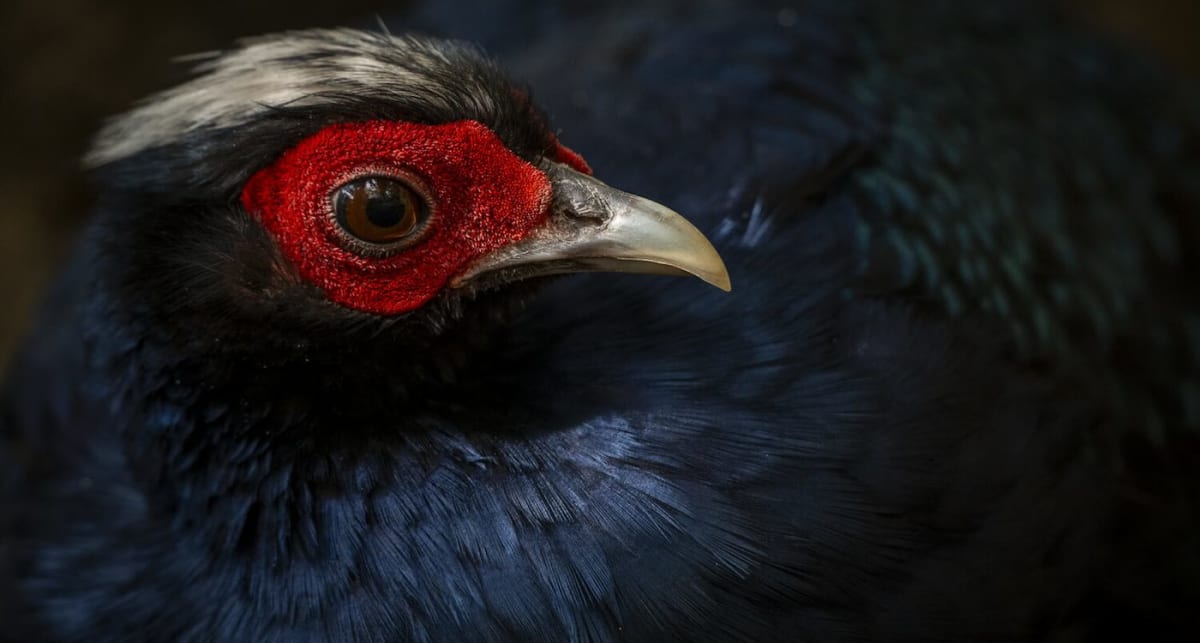
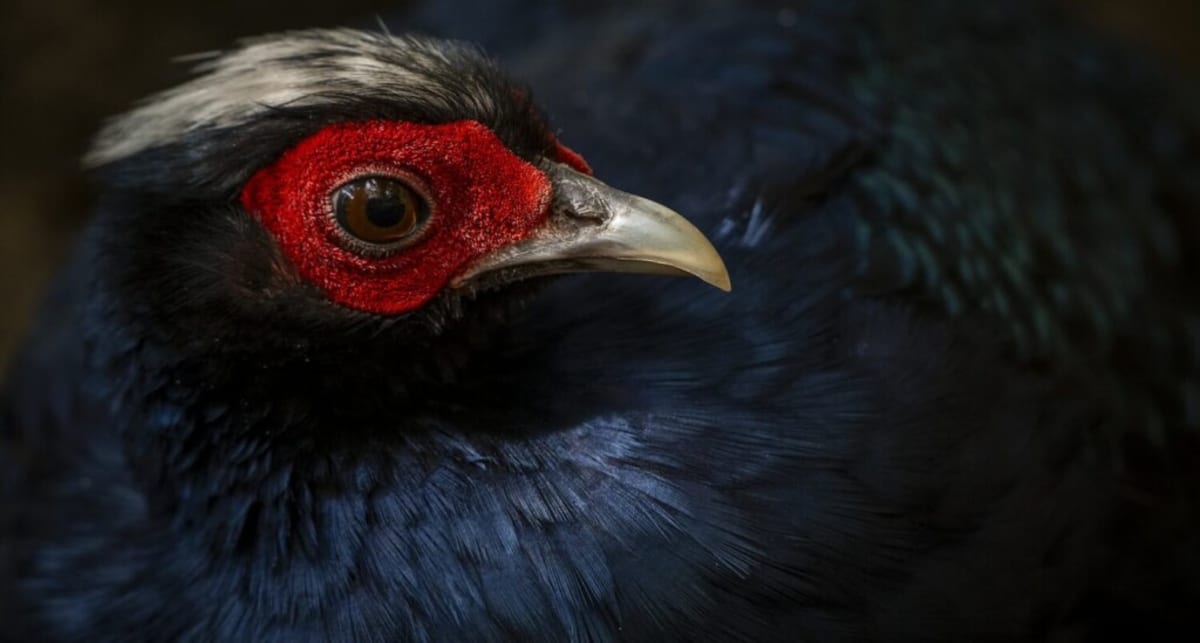
The male Vietnam pheasant is hard to miss. Its deep blue plumage shimmers with a metallic sheen, set off by vivid red facial skin. But its beauty couldn't protect it from habitat loss, illegal hunting, and the lasting scars of deforestation during the Vietnam War.
In the early 1900s, a handful of these birds made it to Europe. That tiny group became the foundation for a decades-long conservation breeding program across zoos and private breeders. Through patient genetic planning and international cooperation, that population grew strong enough to support a return to the wild.
The journey will be handled with extreme care. The pheasants will fly in specially designed crates with continuous monitoring by experienced experts. Once they arrive, they won't be released immediately. Instead, they'll spend time adjusting to local conditions, forming breeding pairs, and raising chicks that are born on Vietnamese soil.
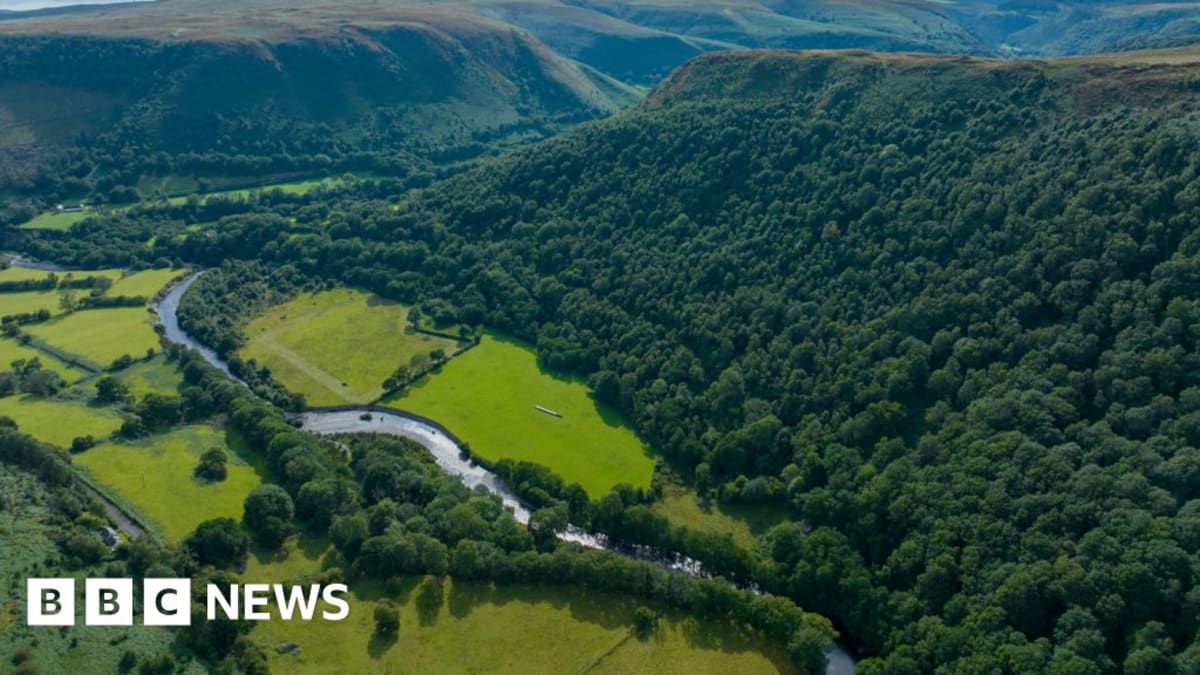
Protected forest areas within the pheasant's historical range are being prepared as future release sites. Conservation teams are working to reduce threats like illegal hunting and restore the ecosystems these birds need to thrive.
The Ripple Effect
This project goes far beyond one species. It demonstrates how zoos can serve as genetic lifeboats for wildlife on the brink of extinction. The European Ex-situ Program coordinates breeding for 500 threatened species, maintaining genetic diversity that might otherwise be lost forever.
"For Vietnam, the recovery of the Vietnam Pheasant is more than the return of a single species," said Pham Tuan Anh, director of Viet Nature Conservation Center. "It represents our pride and responsibility in protecting our natural heritage."
The collaboration involves conservation organizations, zoos across Europe, Vietnamese partners, and local communities working together to rebuild what was lost. Dr. Andreas Knieriem of Zoo Berlin called it "the result of decades of international cooperation" and a chance to return the pheasant "to the wild where it belongs."
Success will take years of careful monitoring and community support. But the fact that these birds are coming home at all proves that extinction doesn't always have to be the final word.
More Images
Based on reporting by Good News Network
This story was written by BrightWire based on verified news reports.
Spread the positivity!
Share this good news with someone who needs it