1,700-Year-Old Christian City Found in Egyptian Desert
Archaeologists discovered a complete ancient Christian city beneath Egypt's desert, complete with homes, churches, and documents revealing daily life from 1,700 years ago. The remarkably preserved ruins offer an unprecedented window into early Christian communities.
Beneath the sands of Egypt's Dakhla Oasis, archaeologists have uncovered something extraordinary: an entire 1,700-year-old Christian city frozen in time.
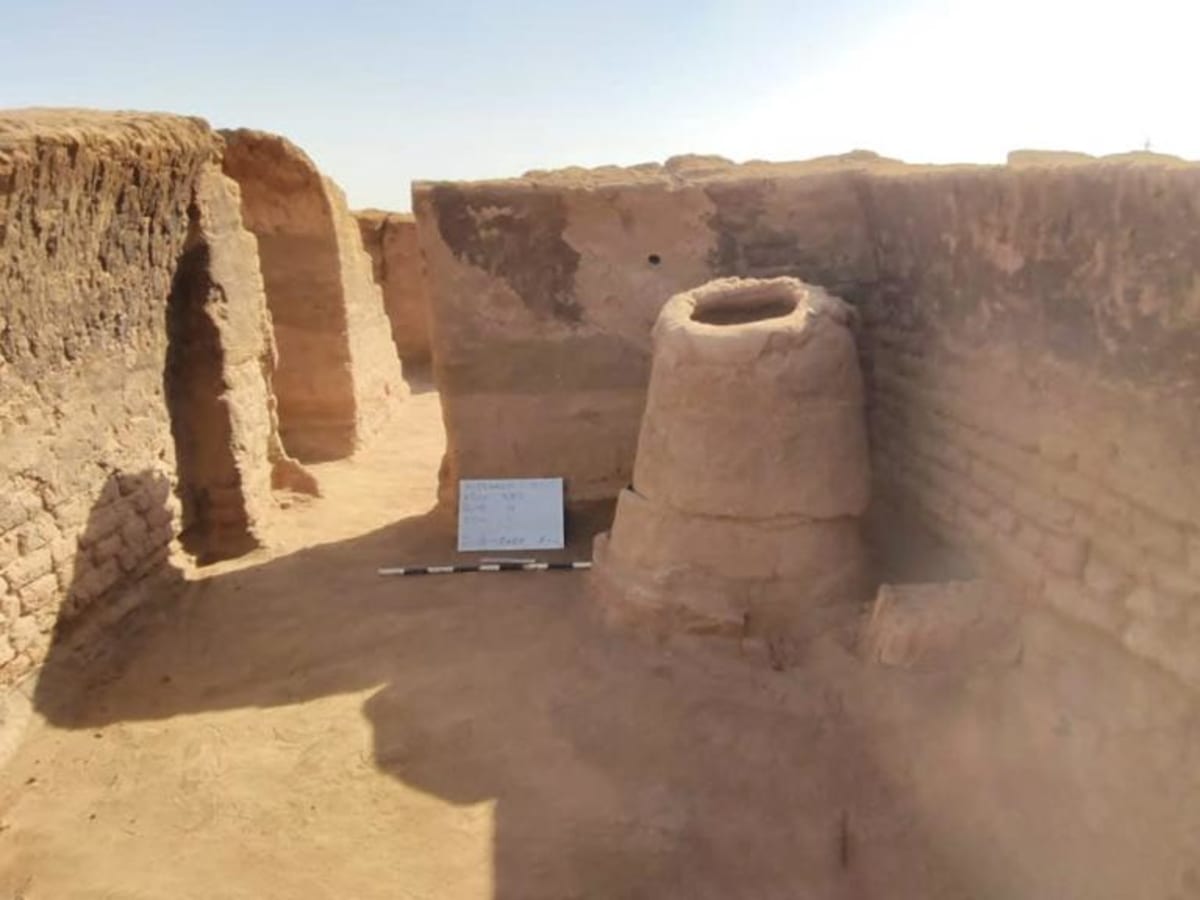
The discovery at the Ain al-Sabil archaeological site reveals a thriving Byzantine-era community with organized streets, mud-brick houses, watchtowers, and a grand basilica at its heart. Dating to the 4th century AD, this city offers the most complete picture yet of early Christian life in ancient Egypt.
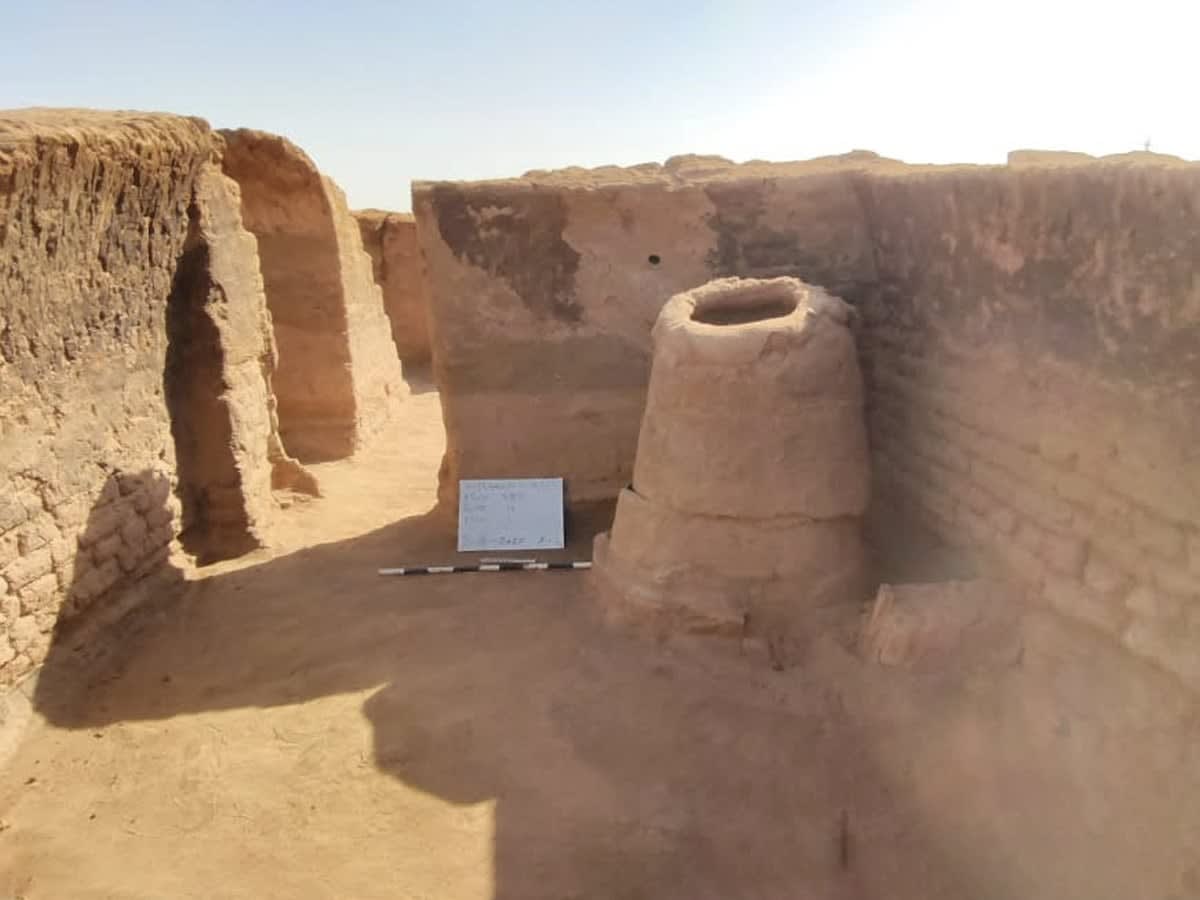
What makes this find special is how well-preserved everything is. Researchers found grinding tools, bread ovens, and kitchens still intact in the ancient homes. Bronze coins bearing images of Byzantine emperors and Christian symbols lay scattered throughout the ruins, alongside rare gold coins from Emperor Constantius II's reign.
The city's layout shows impressive urban planning for its time. Main streets run north to south, crossed by east-west roads that create open plazas and gathering spaces. The basilica stands at the center, overlooking a principal street where residents once gathered for worship and community life.
Archaeologists identified the homes of two priests, Tisos and Tapibos. One home appears to have served as a makeshift church before the basilica was built, showing how the community grew over time.
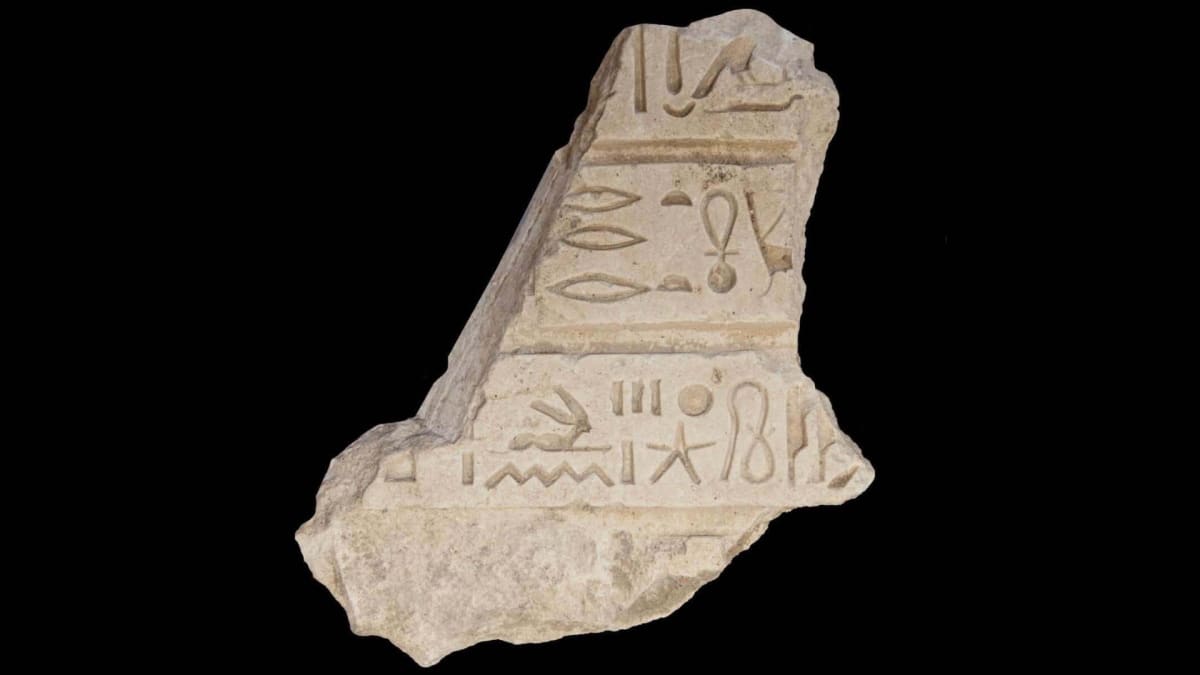
The most exciting discovery came in the form of an ancient archive. Over 200 ostraca, pottery pieces used as writing surfaces, contain detailed records written in Coptic and Greek. These fragments document sales transactions, personal letters, and everyday activities that bring the city's residents to life.
Why This Inspires
These aren't just old buildings. They're windows into real lives lived centuries ago. The bread ovens suggest family meals. The letters reveal friendships and business deals. The basilica shows a community united in faith.
Dr. Hisham El-Leithy from Egypt's Supreme Council of Antiquities called the documents significant for their precise information about daily life. Egyptian Tourism Minister Sherif Fathy noted how the find highlights the "cultural diversity witnessed by the Egyptian oases throughout different historical periods."
The discovery helps archaeologists understand the architectural, social, and economic aspects of Byzantine Egypt in ways previously impossible. It shows how early Christian communities thrived in remote desert locations, building sophisticated cities with advanced planning and infrastructure.
This ancient city reminds us that across time and culture, people have always built communities, shared meals, kept records, and gathered together in hope.
More Images

Based on reporting by Google: archaeological discovery
This story was written by BrightWire based on verified news reports.
Spread the positivity!
Share this good news with someone who needs it