17th-Century Map Reveals Shakespeare's London Home Location
A researcher has pinpointed the exact spot where William Shakespeare owned his only London house, solving a centuries-old mystery. The discovery reveals where the playwright may have written his final masterpieces.
A dusty old map has solved a 400-year mystery about where William Shakespeare lived in London.
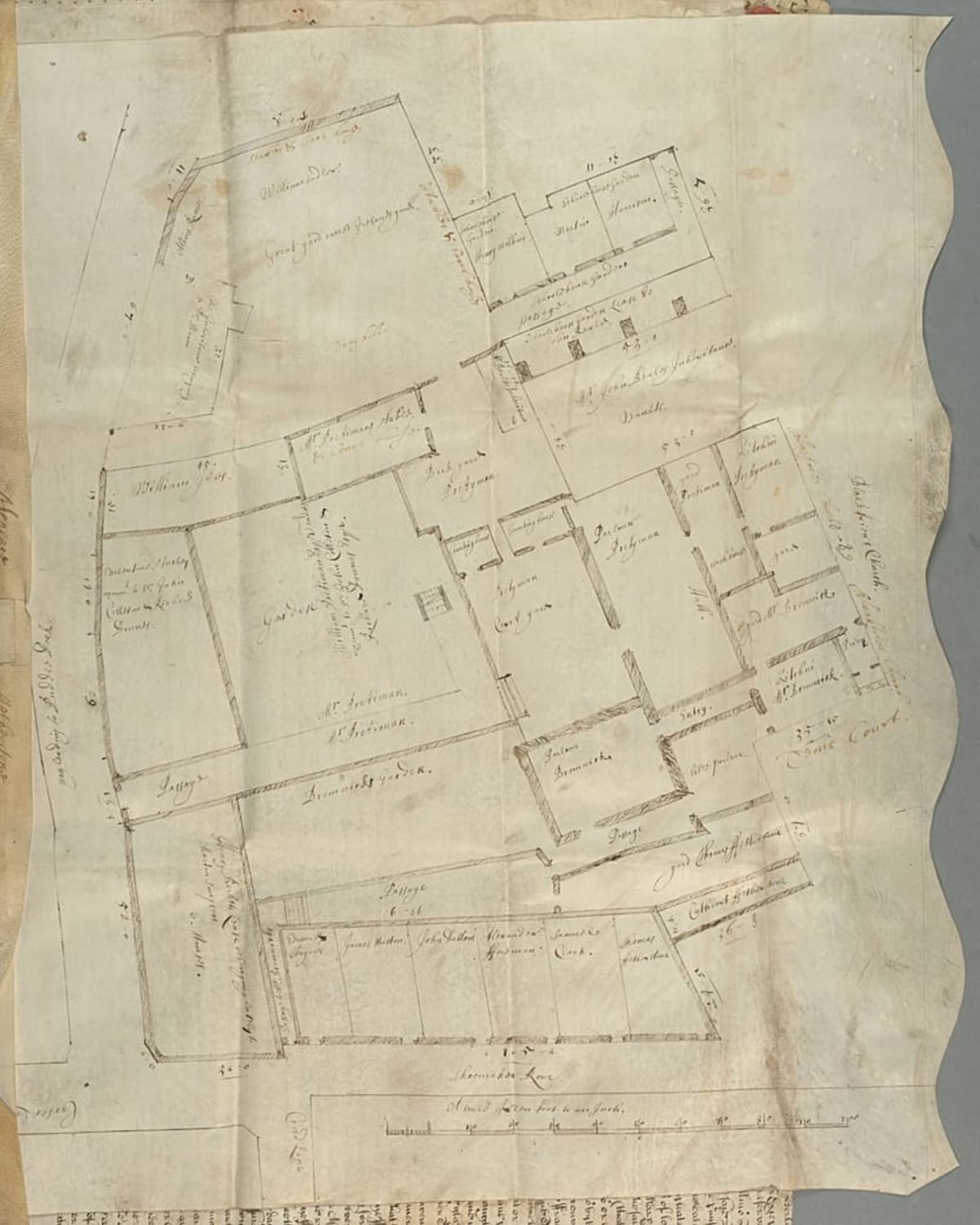
Professor Lucy Munro from King's College London stumbled upon three 17th-century documents while researching something else entirely at the London Archives. What she found changed our understanding of Shakespeare's life in the city where he became the world's most famous playwright.
The documents revealed the exact location and size of the only house Shakespeare ever bought in London. He purchased the property in Blackfriars in 1613, and historians always knew it existed somewhere near an old gatehouse, but nobody could pinpoint the precise spot until now.
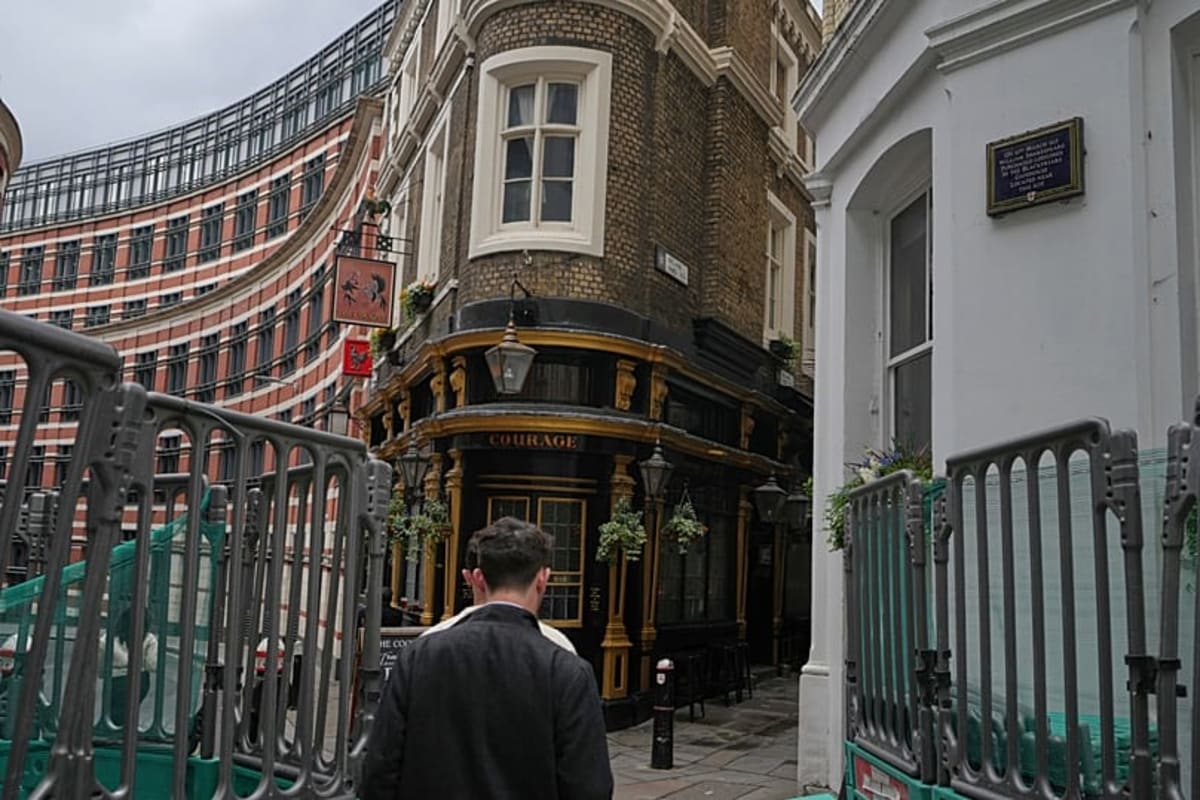
The house was L-shaped and covered what is now the eastern end of Ireland Yard, the bottom of Burgon Street, and parts of nearby buildings. It wasn't a mansion, but its moderate size tells us something important about Shakespeare's life.
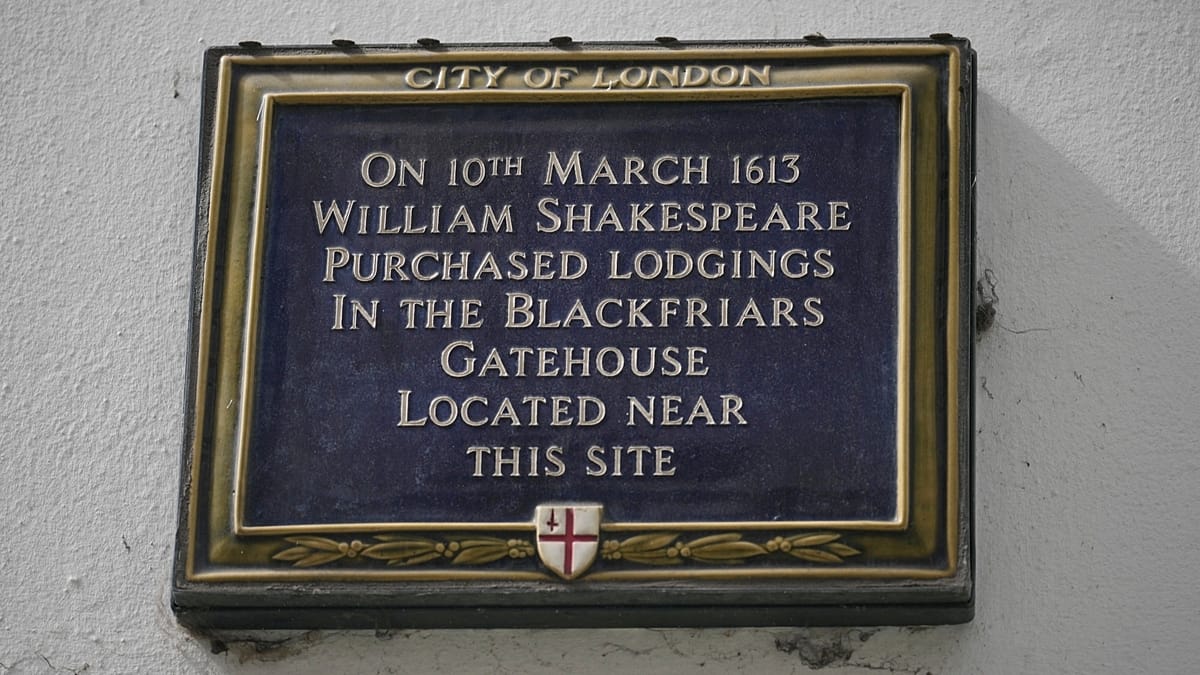
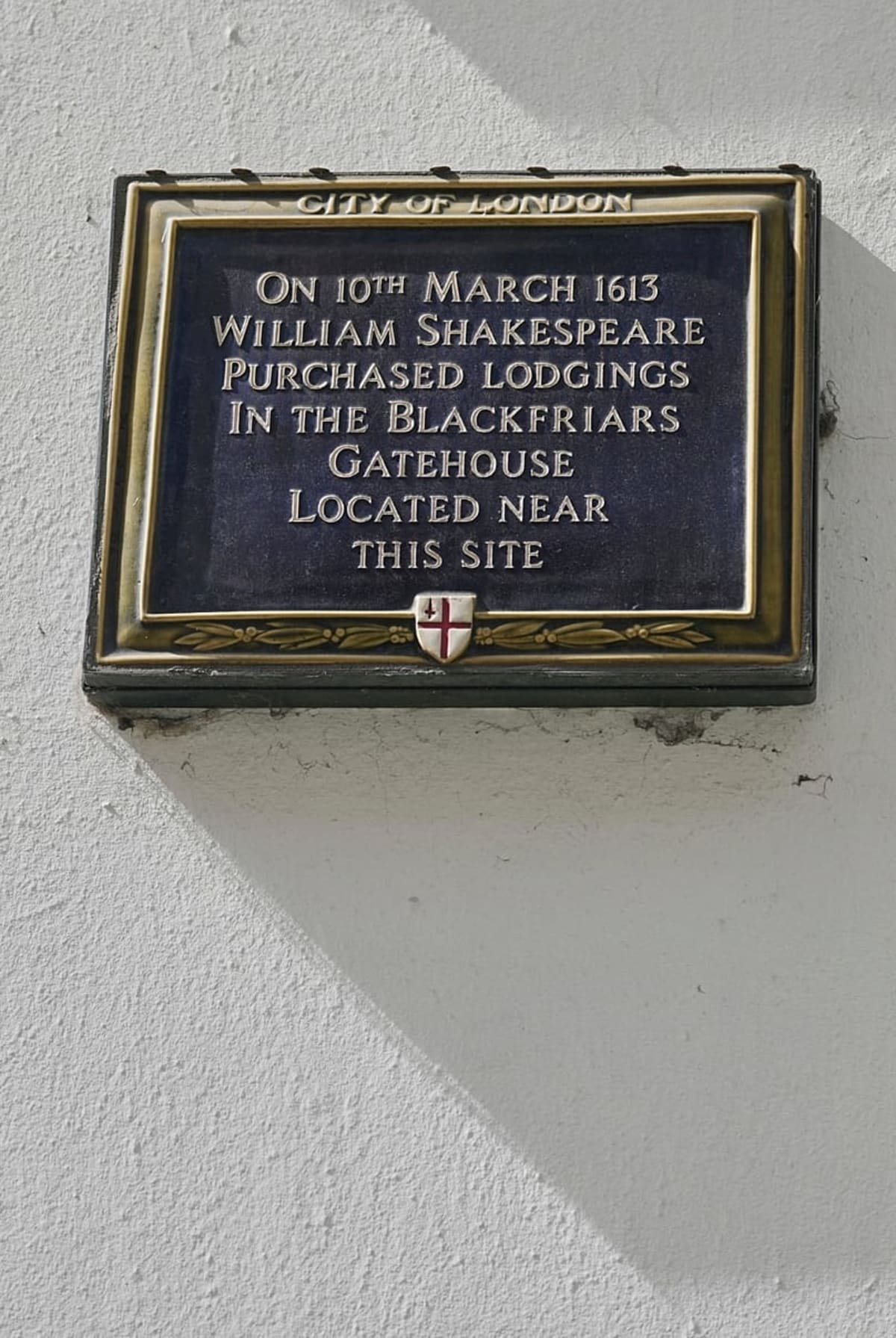
Most exciting of all, the discovery means that a blue plaque honoring Shakespeare on St Andrew's Hill isn't just near his house. It marks the exact location where the building once stood.
Why This Inspires
The house sat just a five-minute walk from the Blackfriars Theatre. This close proximity suggests Shakespeare may have spent more time in London during his final years than historians previously thought.
Munro believes he may have worked on his last plays right in this house. "Henry VIII" and "The Two Noble Kinsmen," both co-written with John Fletcher, could have been penned in rooms that once occupied this very spot.
It's unclear whether Shakespeare actually lived in the property or rented it out to others. But knowing its exact location gives us a tangible connection to the man who gave us Hamlet, Romeo and Juliet, and so many other timeless works.
Shakespeare used the money he earned from his plays to build a family home in Stratford-upon-Avon, about 160 kilometers northwest of London. He died there in 1616 at age 52, but his London home remained in the family until his granddaughter sold it in 1665.
Sometimes the most remarkable discoveries happen when we're looking for something else entirely.
More Images
Based on reporting by Euronews
This story was written by BrightWire based on verified news reports.
Spread the positivity!
Share this good news with someone who needs it