Kazakhstan Unearths Rare 3-in-1 Bronze Age Settlement
Archaeologists in Kazakhstan have discovered an extraordinarily rare Bronze Age site combining a burial ground, ritual mound, and ancient settlement in one location. The find includes the mysterious grave of an unusually tall woman buried with honors reserved for high-status individuals.
A Bronze Age archaeological site in Kazakhstan is rewriting what experts know about ancient civilizations, thanks to a combination of features never before found together in the region.
The Alekseyevka site near Rudny contains three distinct structures in one location: a burial ground, a nine-meter sacrificial mound, and an ancient settlement. Researchers say this trio has never been recorded elsewhere in Kazakhstan, making it exceptionally valuable for understanding how Bronze Age societies lived, worshipped, and honored their dead.
The site belongs to the Andronovo culture, a civilization that flourished across Central Asia thousands of years ago. Its discovery began with a simple observation: a geology student in the early 20th century noticed pottery fragments and tools exposed along the Tobol River.
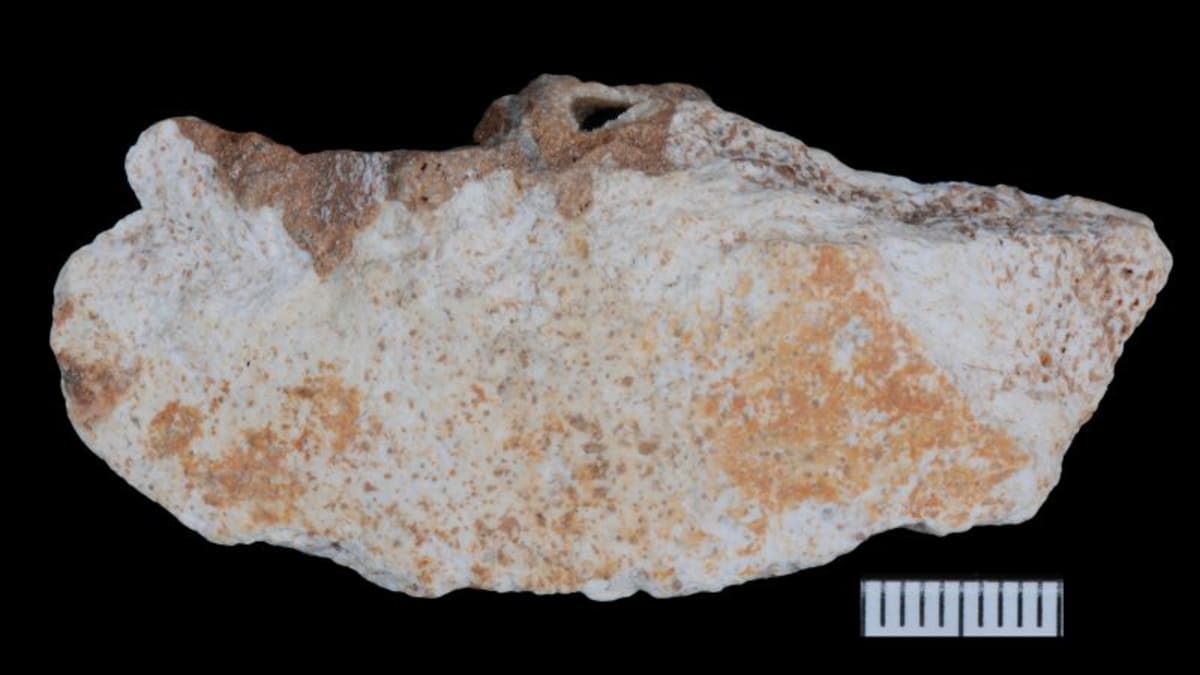
Systematic excavations in the 1930s revealed 21 graves, but one burial captured researchers' attention immediately. At the center of the cemetery lay a woman whose skeletal remains suggested she stood nearly two meters tall, extraordinary for her era when most people were significantly shorter.
Her burial differed from all others at the site. While typical burials placed individuals on their left side, she rested on her right, surrounded by eight ceramic vessels arranged carefully around her head and feet. Her central position and elaborate grave goods point to someone of high status or special significance in her community.
Why This Inspires
This discovery reminds us that human societies have always honored extraordinary individuals and created spaces for community and spirituality. The massive ritual mound contained more than 50 vessels with traces of ceremonial meals, showing how Bronze Age people gathered to share food and mark important occasions.
Anthropologists in Moscow later reconstructed the woman's skull, offering a tangible connection to someone who lived millennia ago. Her face gives us a window into the past, transforming abstract history into a real person who once walked the same land.
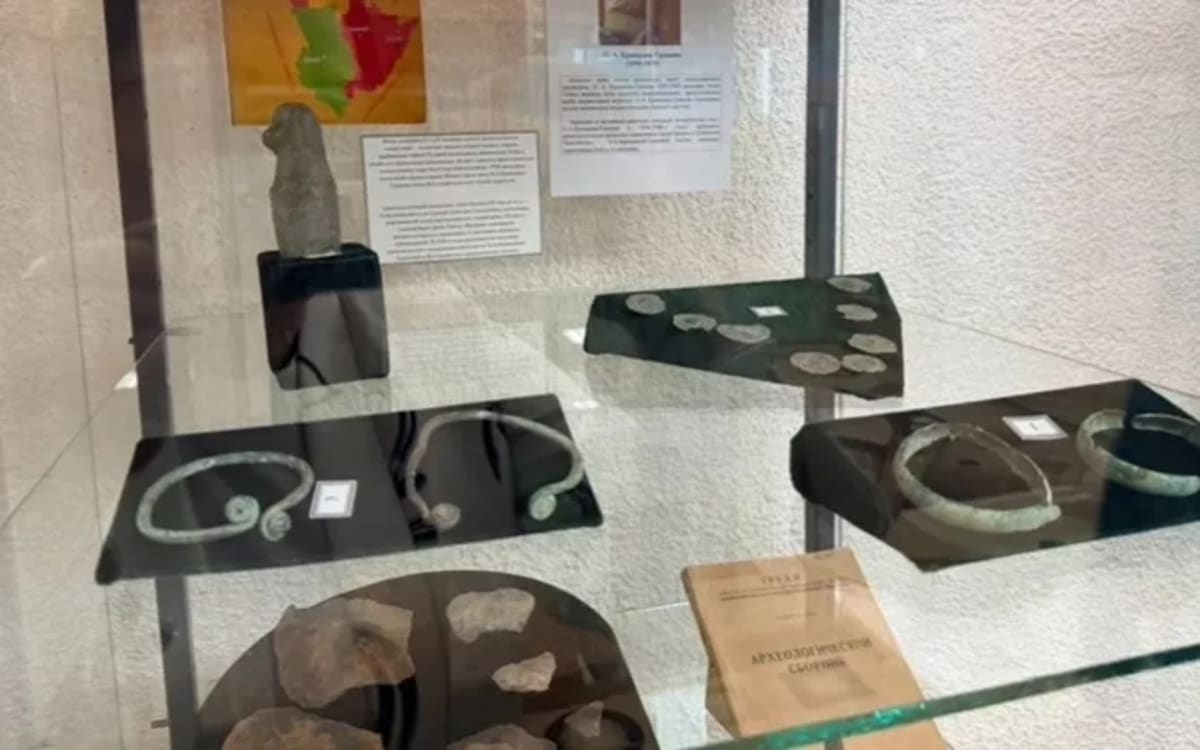
The site's pottery proved remarkably durable, with some artifacts surviving in near-perfect condition for decades after discovery. Experts compare Alekseyevka's importance to Arkaim, another major Bronze Age site, cementing its role as a crucial reference point for understanding ancient Central Asian societies.
Though large-scale excavations ended in the late 1960s, a memorial marker now stands where the original mound once towered, ensuring future generations remember the thriving civilization that called this place home.
More Images
Based on reporting by Google: archaeological discovery
This story was written by BrightWire based on verified news reports.
Spread the positivity!
Share this good news with someone who needs it