18 Indian Students Named NASA Citizen Scientists
College students from Chandigarh University just earned official NASA recognition for discovering two new asteroids. Their achievement puts India on the map in global space research and shows what young minds can accomplish with the right tools and determination.
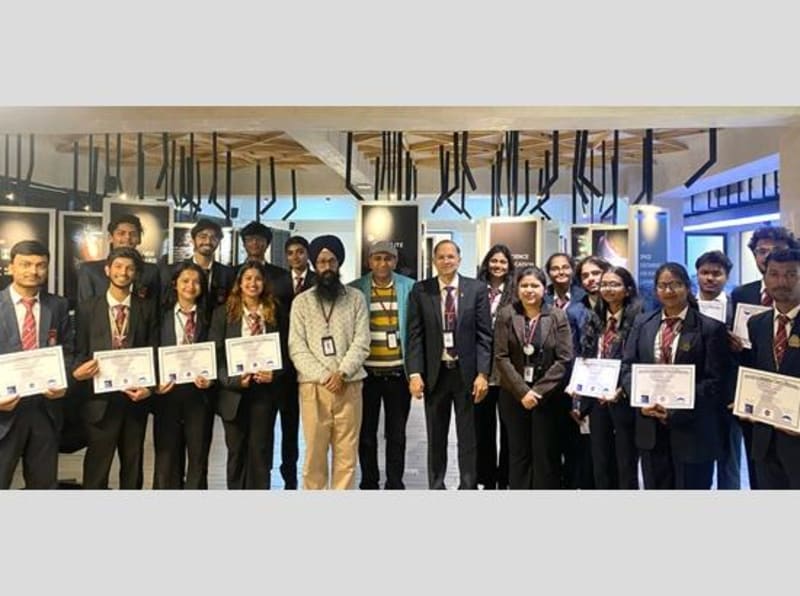
Eighteen students from Chandigarh University in India have been officially designated as NASA Citizen Scientists after discovering two previously unknown asteroids. The recognition from NASA's International Asteroid Search Campaign (IASC) marks a proud moment for India's growing presence in global space science.
Over 45 intense days, the students analyzed deep-space telescope images using specialized software called Astrometric. They scanned data from Pan-STARRS, one of the world's most advanced sky-survey telescope systems supported by NASA, searching for moving objects among millions of celestial bodies.
Their hard work paid off. Two teams successfully identified and verified two new asteroids, now provisionally named DIV/1111 and ANC/0505.
The 18 students came from the university's Astronomy Club, with 15 studying aerospace engineering, two from general science, and one from computer science. Out of 26 students who participated in the program, these 18 met the strict international scientific standards required for NASA's official citizen scientist recognition.
This wasn't just a classroom exercise. The students contributed real data to global asteroid tracking and planetary defense research, the same systems that help scientists monitor objects that could potentially threaten Earth.
Their findings were verified and accepted by international space agencies, placing these college students among a select global community of contributors to active space observation. They used the same high-resolution telescope images and analytical methods that professional astronomers rely on every day.
Why This Inspires
What makes this achievement remarkable is that these students didn't need to work at NASA or have decades of experience to make a real contribution to space science. With dedication, the right training, and access to publicly available data, they made discoveries that matter.
Their success shows how citizen science programs are democratizing space research. Students anywhere can now participate in genuine scientific discovery, analyzing the same data professional researchers use.
The achievement also highlights how universities can prepare students for the future of space exploration. By working with authentic scientific data and international research standards, these students gained real-world experience that will serve them throughout their careers.
This recognition strengthens India's position in global space science at a time when the country is rapidly expanding its space program. Young researchers like these will help drive future discoveries and innovations in planetary defense and deep-space exploration.
Sometimes the next big discovery in space comes not from a famous observatory, but from determined students working together halfway around the world.
Based on reporting by Google: NASA discovery
This story was written by BrightWire based on verified news reports.
Spread the positivity!
Share this good news with someone who needs it