Webb Telescope Reveals How 9,000 Star Clusters Are Born
The James Webb Space Telescope just gave us the most detailed look ever at how star clusters emerge from cosmic clouds, tracking nearly 9,000 clusters at different life stages. The discovery reveals a surprising twist about where planets can form.
Scientists studying four nearby galaxies just watched thousands of star nurseries grow up, and what they learned could change how we think about planet formation across the universe.
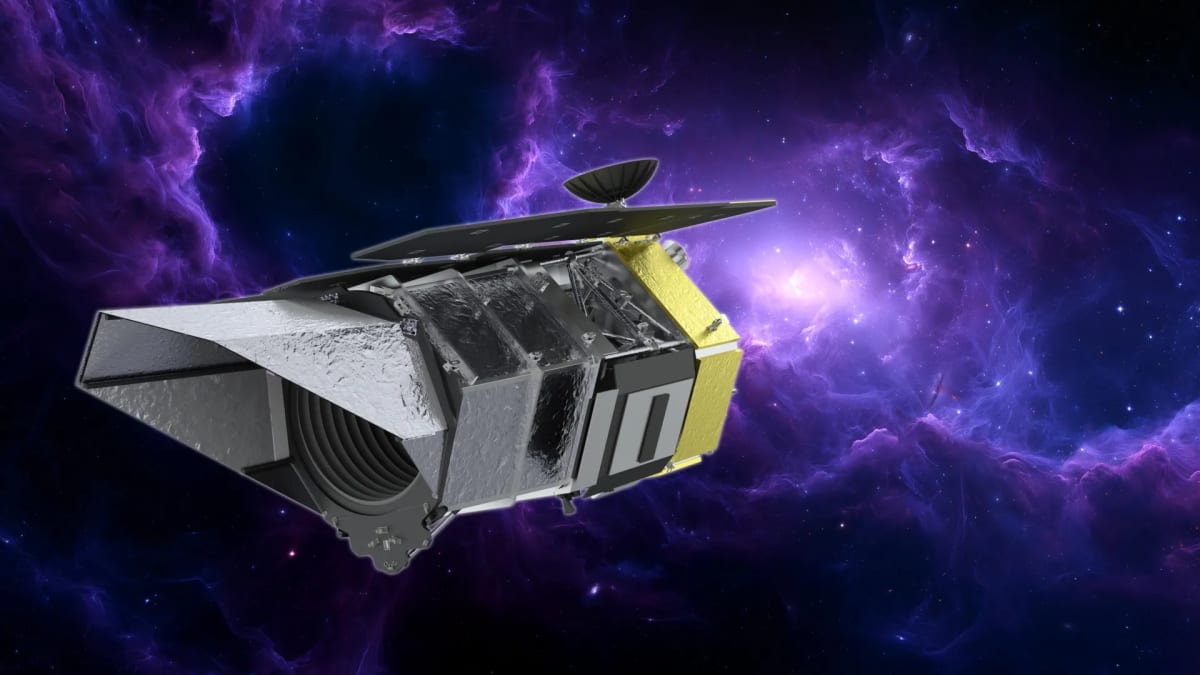
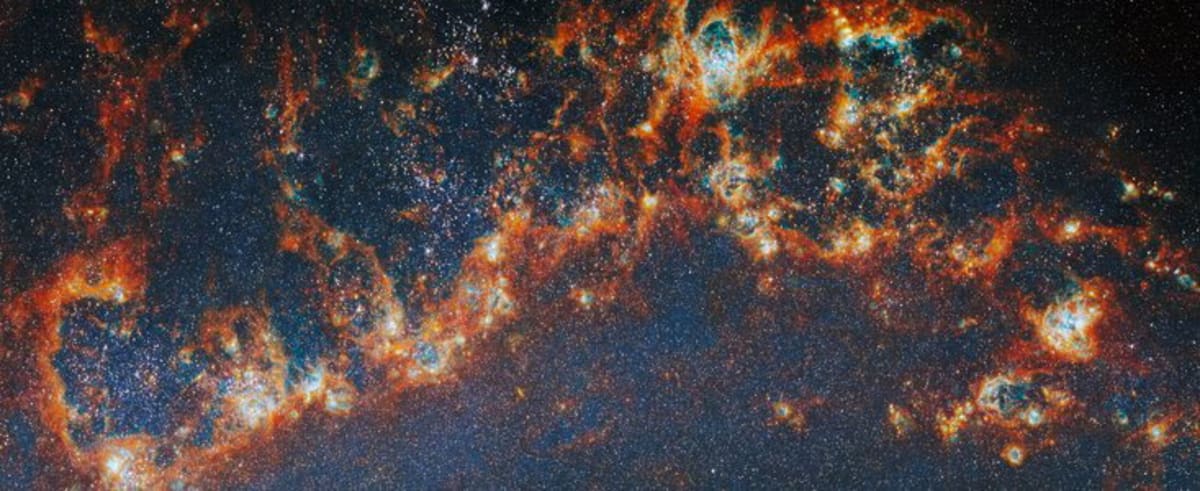
Using the James Webb Space Telescope and Hubble Space Telescope together, an international research team tracked 9,000 young star clusters in galaxies between five and 20 million light years away. They watched these cosmic nurseries at every stage, from stars still wrapped in their birth clouds to fully emerged clusters shining bright.
The big discovery? Size matters when it comes to clearing away the gas cloud around newborn stars. Massive star clusters blast away their surrounding gas in just five million years, while smaller clusters take a leisurely eight million years to emerge.
That might not sound like much difference, but those three million years could determine whether planets get to form at all. When massive clusters push away their gas clouds faster, they expose young planetary systems to intense ultraviolet radiation earlier, potentially stopping planets from gathering the material they need to grow.
Angela Adamo from Stockholm University, who led the study, says this helps solve a puzzle that's stumped astronomers for years. Computer simulations have struggled to match what actually happens when star clusters form and break free from their clouds, and now scientists have real data showing exactly how long the process takes.
The research was only possible because Webb's infrared vision can peer through thick cosmic dust to see hidden star clusters, while Hubble captures those that have already cleared their clouds. Together, the two telescopes provided the broadest view of young star clusters astronomers have ever assembled.
Why This Inspires
This discovery shows how the universe balances creation and destruction in unexpected ways. The same massive star clusters that flood galaxies with light and energy might also limit where planets can form, creating cosmic neighborhoods where certain types of solar systems are more likely to thrive.
Scientists can now track how energy from newborn stars reshapes entire galaxies, moving gas around and controlling where the next generation of stars will appear. Understanding this cosmic recycling program helps explain why galaxies look the way they do and where to search for planets like Earth.
The findings also demonstrate what happens when different tools work together. By combining observations from telescopes looking at different types of light, researchers assembled a complete picture that neither instrument could capture alone.
Every massive star cluster we see today cleared its birth cloud faster than expected, potentially protecting some smaller, slower nurseries where planets have more time to form in peace.
Based on reporting by Google: James Webb telescope
This story was written by BrightWire based on verified news reports.
Spread the positivity!
Share this good news with someone who needs it