1806 Chemistry Book Sparked Michael Faraday's Genius
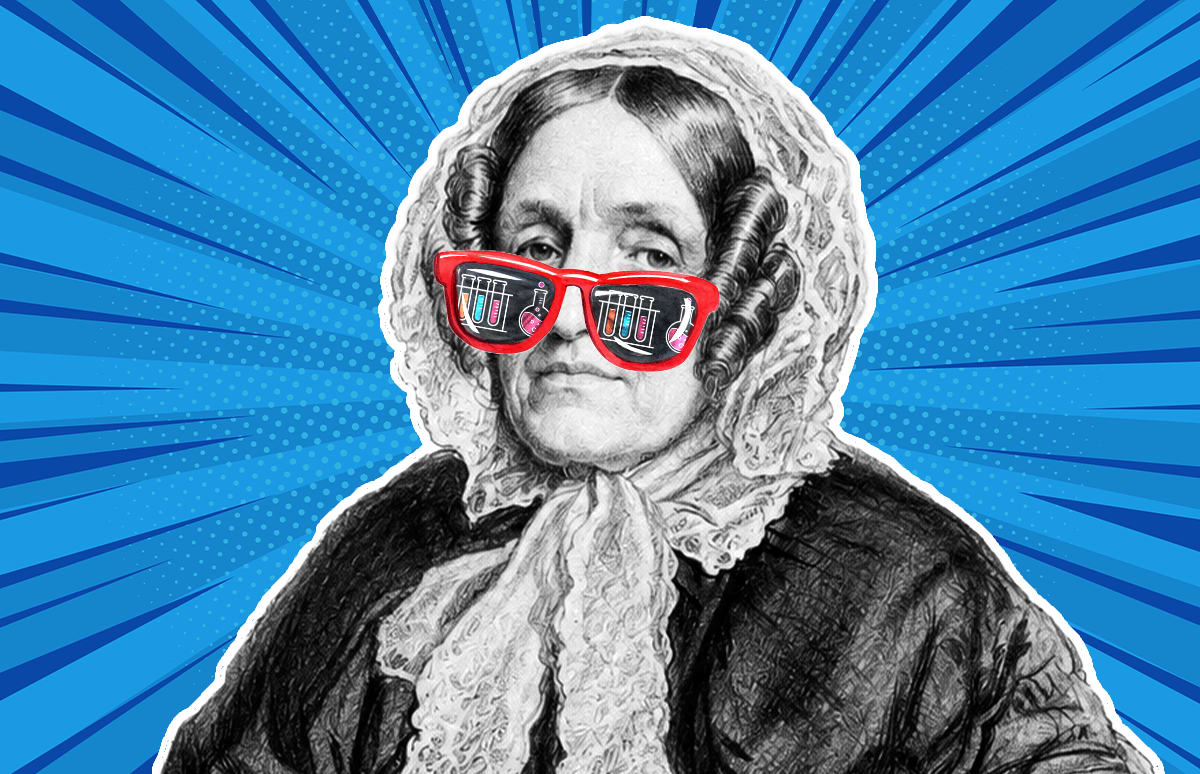
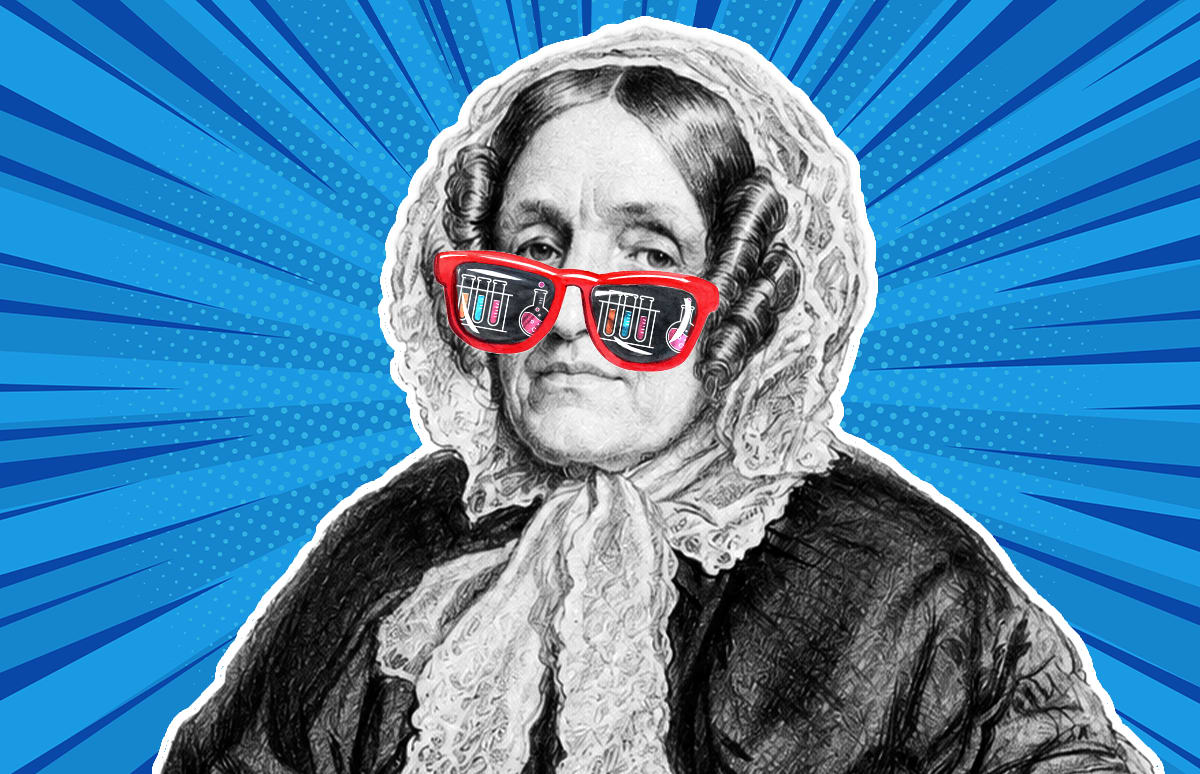
A teenage bookbinder stumbled upon a science book written by a woman that changed his life forever. Michael Faraday credited Jane Marcet's bestselling chemistry guide with launching his career as one of history's most influential scientists.
In the early 1800s, a teenage apprentice named Michael Faraday was binding books in a London shop when he opened a manuscript that would change everything. The book, titled Conversations on Chemistry, was so captivating that Faraday later said it "saved me" from a predetermined life of manual labor.
The year was 1806, and science education wasn't meant for working-class boys or women. Yet Jane Marcet had written a chemistry guide so clear and engaging that it became an international bestseller, teaching thousands of young people the fundamentals of a rapidly evolving field.
Faraday clung to Marcet's book like an anchor. In 1832, he wrote in his diary about his "deep veneration for Mrs. Marcet," calling her "my first instructress." By then, he had become a groundbreaking scientist whose experiments with electromagnetism would make radio waves, engines, and cell phones possible.
Marcet herself had an unusual path to authorship. Born Jane Haldiman in 1769 to a wealthy London family, she received an education equal to her brothers at a time when most believed women should only learn "how to make pudding and a little bit of history."
When her mother died during childbirth, 15-year-old Jane took charge of managing a household with 10 children. She also began co-hosting her father's twice-weekly salons, where over 40 guests including businessmen, scientists, and writers gathered to discuss burning issues of the day.
These salons became her university. For 15 years, Marcet absorbed knowledge from leading minds, including chemist Humphry Davy and vaccine inventor Edward Jenner. She married physician Alexander Marcet at 30, and together they continued hosting scientific gatherings at their home.
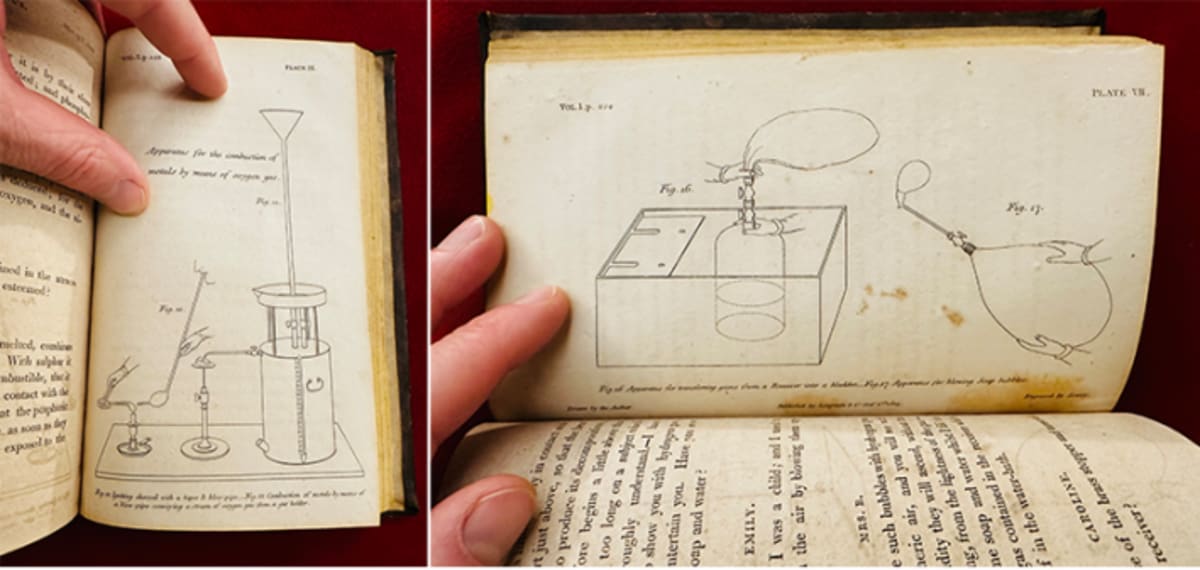
Marcet filled her chemistry book with experiments and illustrations she drew herself. Her conversational approach made complex concepts accessible to anyone willing to learn, regardless of class or gender.
Why This Inspires
Marcet understood something essential: scientific progress needs more than brilliant researchers. It requires teachers who can spark wonder in everyday people, opening doors that seemed permanently locked.
Einstein kept a framed image of Faraday on his desk, his theory of relativity building on Faraday's electromagnetic discoveries. That chain of genius traces back to a woman who believed science belonged to everyone.
Marcet's story reminds us that sharing knowledge is its own revolutionary act.
More Images


Based on reporting by Google: scientific discovery
This story was written by BrightWire based on verified news reports.
Spread the positivity!
Share this good news with someone who needs it