1960s Grocery Ads Show Some Foods Cost Less Than Today
Vintage newspaper ads from the 1960s reveal a surprising twist: after adjusting for inflation, eggs, butter, and milk actually cost less now than they did 60 years ago. While steak prices have skyrocketed, some grocery staples prove that not everything was cheaper in the "good old days."
A nostalgic dive into 1960s grocery ads just revealed something unexpected: not everything was actually cheaper back then.
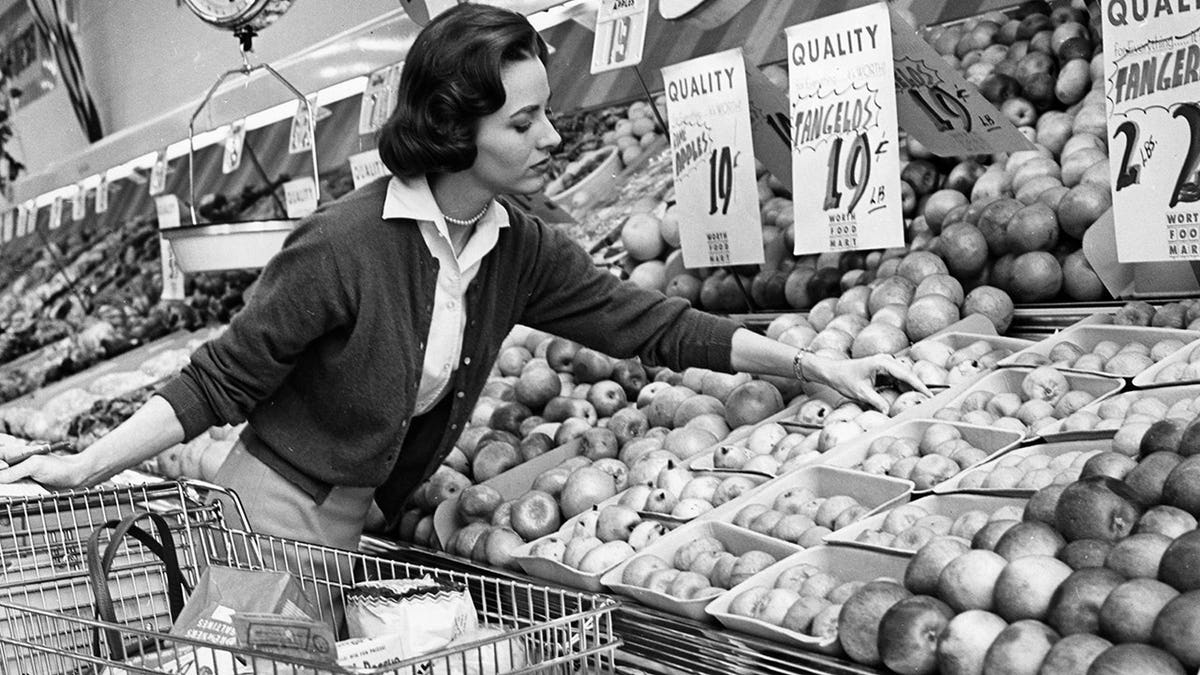
Vintage newspaper advertisements from the era show jaw-dropping prices like 78-cent-per-pound steak and 49-cent bags of sugar. At first glance, it looks like paradise compared to modern grocery bills.
But food publication Tasting Table crunched the numbers and found a hopeful surprise. When adjusted for inflation, several everyday essentials actually cost less today than they did in 1966.
Eggs tell the most dramatic story. A dozen medium eggs that cost 55 cents in 1966 equals about $5.60 in today's money. Modern shoppers can find the same dozen eggs for as little as $1.59.
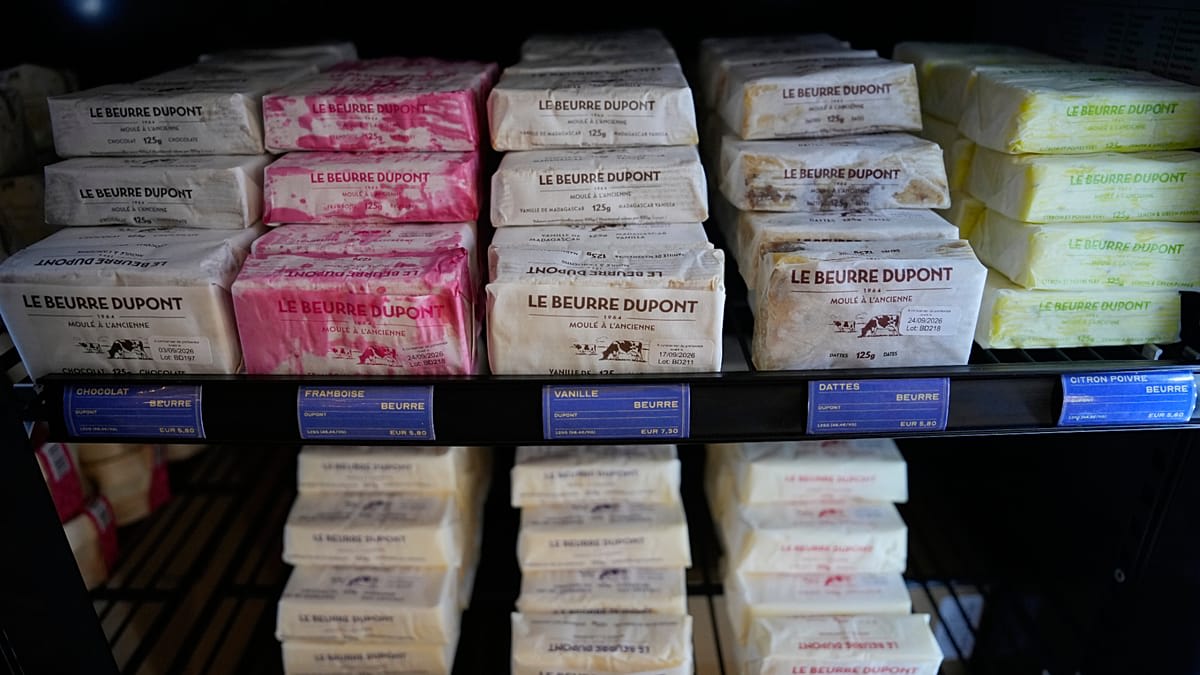
Butter and milk also cost less now when inflation is factored in. Even ice cream has gotten more affordable over the decades.
Of course, not everything improved. Sirloin steak that sold for 78 cents per pound in 1966 translates to about $7.95 today, well below the current $17.99 per pound. Pot roast, lamb, and grapefruit remain significantly pricier even after accounting for inflation.
The ads also capture a different era of shopping. Families routinely bought 25-pound bags of potatoes, large canned hams, and pound-sized bags of potato chips. Shoppers stocked up on products like oleo, a popular butter substitute that's largely disappeared from stores.
Why This Inspires
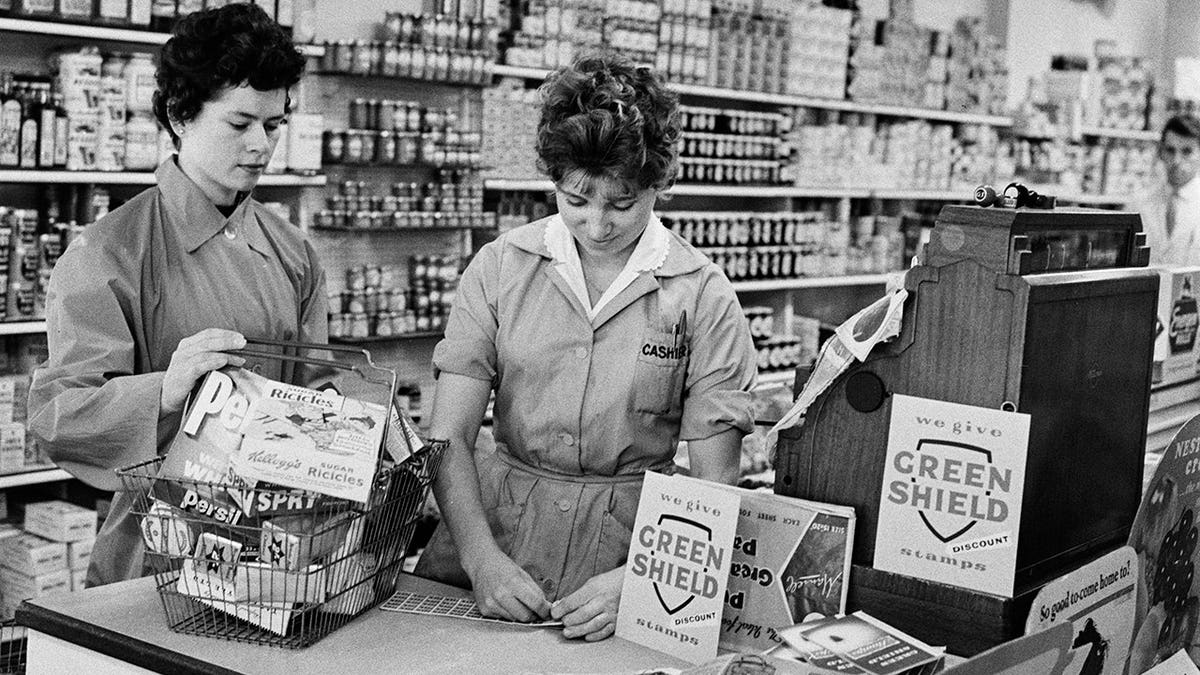
These vintage ads sparked lively conversations on social media, with users sharing memories of grocery shopping traditions. One person recalled collecting Green Stamps in little books with their mom to redeem for household items like toasters.
Others provided helpful context about wages. The average worker earned just $2 to $3 per hour in the 1960s, meaning grocery bills took up similar percentages of paychecks then as they do now.
The conversation shows people thinking critically about economics rather than just lamenting the past. Instead of pure nostalgia, Americans are engaging with data, sharing memories, and helping each other understand how costs truly compare across generations.
Some things really were better deals decades ago, but the full picture offers hope: progress isn't always linear, and some essentials have genuinely become more accessible over time.
More Images
Based on reporting by Fox News Latest Headlines (all sections)
This story was written by BrightWire based on verified news reports.
Spread the positivity!
Share this good news with someone who needs it