%2Ffile%2Fattachments%2Forphans%2Fmahotella-queens-header-1_561563.jpg)
1960s Soweto Created Music That Defied Apartheid
When apartheid tried to silence South Africa's black communities, Soweto's musicians created mbaqanga, marabi, and kwela sounds that became unstoppable expressions of joy and resistance. Their music proved that even brutal systems can't control the rhythm of human spirit.
While white Johannesburg tuned into the Beatles in the 1960s, Soweto was creating something far more powerful: a musical revolution that apartheid couldn't silence.
Journalist Don Pinnock recalls living in Dobsonville, Soweto, where he witnessed an extraordinary music scene thriving against impossible odds. The township had been designed as a dormitory for black workers, pushed to the city's edge, but residents refused to live quietly.
At the heart of this musical explosion was Rupert Bopape, a talent scout and producer at Gallo Africa's Mavuthela division. He understood what moved township dance halls and knew how to transform everyday struggles into songs that made people move.
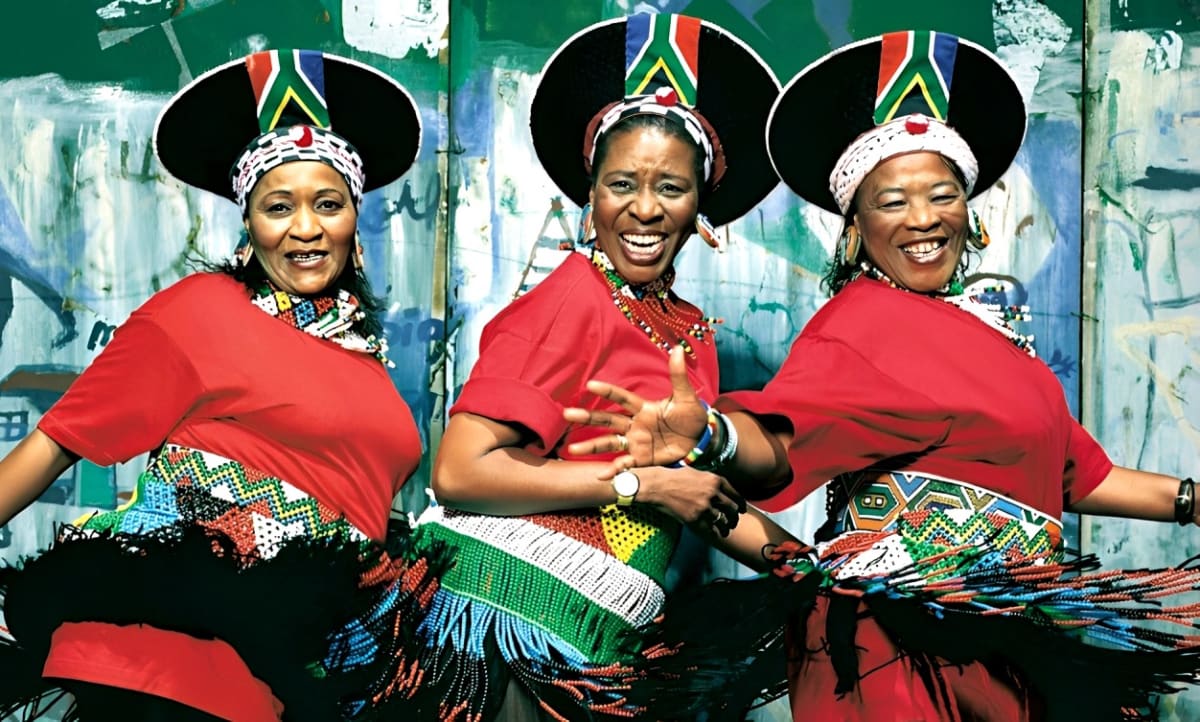
Bopape brought together legendary combinations like Mahlathini and the Mahotella Queens with the Makgona Tsohle Band. Simon "Mahlathini" Nkabinde's deep bass "groaner" voice paired with the Queens' bright harmonies created mbaqanga music that was both polished and raw, elegant yet urgent.
The Makgona Tsohle Band lived up to their name, which meant "the band that could do everything." Their sound blended marabi jazz, Zulu guitar, Sotho harmonies, kwela pennywhistles, and the hard pulse of city life into something entirely new.
Philip Tabane took a different path from Mamelodi, creating malombo music with traditional rhythms and spiritual depth. Whether in shebeens or concert halls, these musicians were reshaping African sound despite every restriction apartheid placed in their way.
Why This Inspires
The music scene wasn't just entertainment. It was how Soweto residents named themselves, courted each other, mocked authority, and survived daily indignities with their humanity intact.
Standing in a shebeen with mbaqanga rising all around meant witnessing apartheid's greatest failure. The regime could control passes, trains, and neighborhoods, but it couldn't dictate the rhythm of people's inner lives.
Pinnock and his white colleagues found the city they'd been raised to fear was actually generous, funny, sharp, and profoundly musical. The music carried joy under pressure and swing under surveillance.
These weren't background sounds but declarations of existence. Every bass line, every harmony, every saxophone note was Soweto refusing to disappear.
That revolutionary spirit still echoes today in South African music, proving that creativity and community always find ways to flourish.
More Images

%2Ffile%2Fattachments%2Forphans%2FFF3EWscWYAcfhLV_827068.jpg)
%2Ffile%2Fattachments%2Forphans%2FMahotella-Queens_547944.jpg)
Based on reporting by Daily Maverick
This story was written by BrightWire based on verified news reports.
Spread the positivity!
Share this good news with someone who needs it
%2Ffile%2Fdailymaverick%2Fwp-content%2Fuploads%2F2024%2F06%2F170653634.jpg)
%2Ffile%2Fdailymaverick%2Fwp-content%2Fuploads%2FProf-Le-Cordeur-71.jpg)