%2Ffile%2Fdailymaverick%2Fwp-content%2Fuploads%2FProf-Le-Cordeur-71.jpg)
South Africa Unveils Inclusive History Curriculum After 7 Years
South Africa is launching a new school history curriculum that shares stories from all communities, not just those in power. After seven years of development and nationwide consultations, students will finally learn the full story of their shared past.
After 32 years of democracy, South African students are about to get what they've been missing: a history curriculum that tells everyone's stories, not just the victors'.
The country's Department of Basic Education has spent seven years developing a groundbreaking new history curriculum for grades 4 through 12. Instead of starting South African history with European arrival in 1652, the new approach begins with precolonial Africa and weaves together perspectives from all communities.
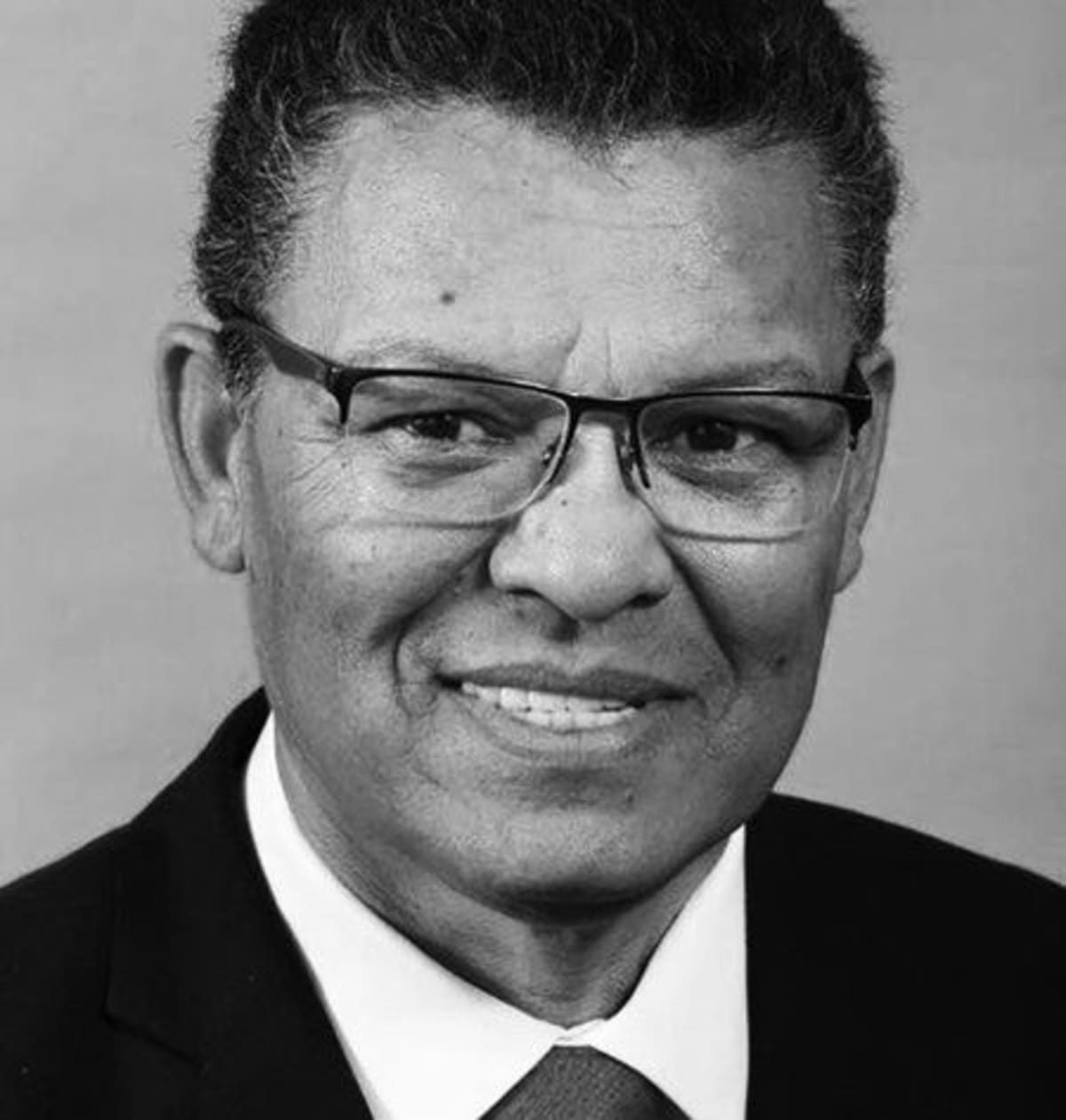
Professor Michael le Cordeur, an education expert at Stellenbosch University, remembers learning a one-sided version of history as a child. He recalls an African proverb that captures the problem perfectly: "Until the lion has his or her own storyteller, the hunter will always have the best part of the story."
The new curriculum doesn't erase traditional content. Students will still learn about colonial history and apartheid, but now they'll also discover ancient African kingdoms, the contributions of previously ignored leaders, and stories from communities whose voices were silenced for generations.
What makes this approach special is that it teaches students to think critically rather than memorize a single version of events. Young people will examine multiple sources, question narratives, and form their own interpretations based on evidence.
The process behind this change was remarkably thorough. A ministerial task team launched the project in 2019, followed by consultations in all nine provinces during 2023 and 2024. The curriculum then passed review by parliamentary committees, education departments, and oversight bodies before opening for public comment in November 2025.
Why This Inspires
This curriculum recognizes a powerful truth: South Africa's history isn't as divided as people have been taught to believe. As le Cordeur points out, people have always moved, met, and built families together across cultures and continents. South Africans share more bloodlines and connections than decades of division taught them to see.
The curriculum also honors previously invisible heroes. Black and colored soldiers who fought at Ladysmith and Mafikeng now stand alongside other war stories. The emancipation of slaves on August 1, 1834 gets equal recognition with other historical dates. Leaders like Witbooi, Swartbooi, and Sol Plaatje take their rightful place in textbooks.
Most importantly, this approach rejects the false choice between competing versions of history. There's no "us versus them" history, le Cordeur argues. There's only one shared, complex, intertwined story that belongs to everyone.
By teaching students to question, research, and analyze diverse sources, South Africa is equipping the next generation with tools to understand their past and shape a more united future together.
More Images
%2Ffile%2Fdailymaverick%2Fwp-content%2Fuploads%2F2025%2F09%2Flabel-Opinion.jpg)
Based on reporting by Daily Maverick
This story was written by BrightWire based on verified news reports.
Spread the positivity!
Share this good news with someone who needs it