1980s Zipper Patent Gets New Life in MIT Smart Materials
A rejected 1985 invention for a three-sided zipper is now reality thanks to MIT researchers who brought it to life with 3D printing. The Y-zipper transforms tents, medical casts, and robots from soft to rigid with the push of a button.
📺 Watch the full story above
Sometimes the best ideas just need to wait for technology to catch up.
In 1985, MIT professor William Freeman submitted a wild concept to an innovation fund: a three-sided zipper that could transform flat fabric into rigid tubes. Picture setting up a tent in under two minutes instead of six, or adjusting a wrist cast from stiff to flexible whenever you want. The judges rejected his proposal, but Freeman patented it anyway and tucked it away for future dreamers.
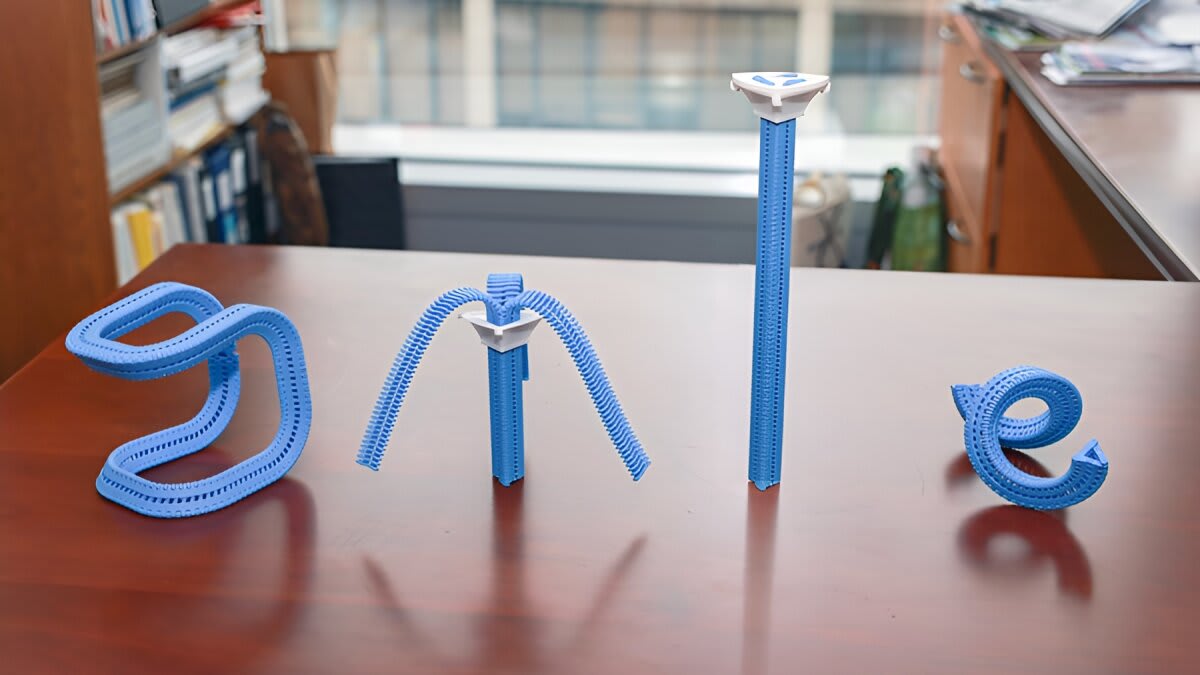
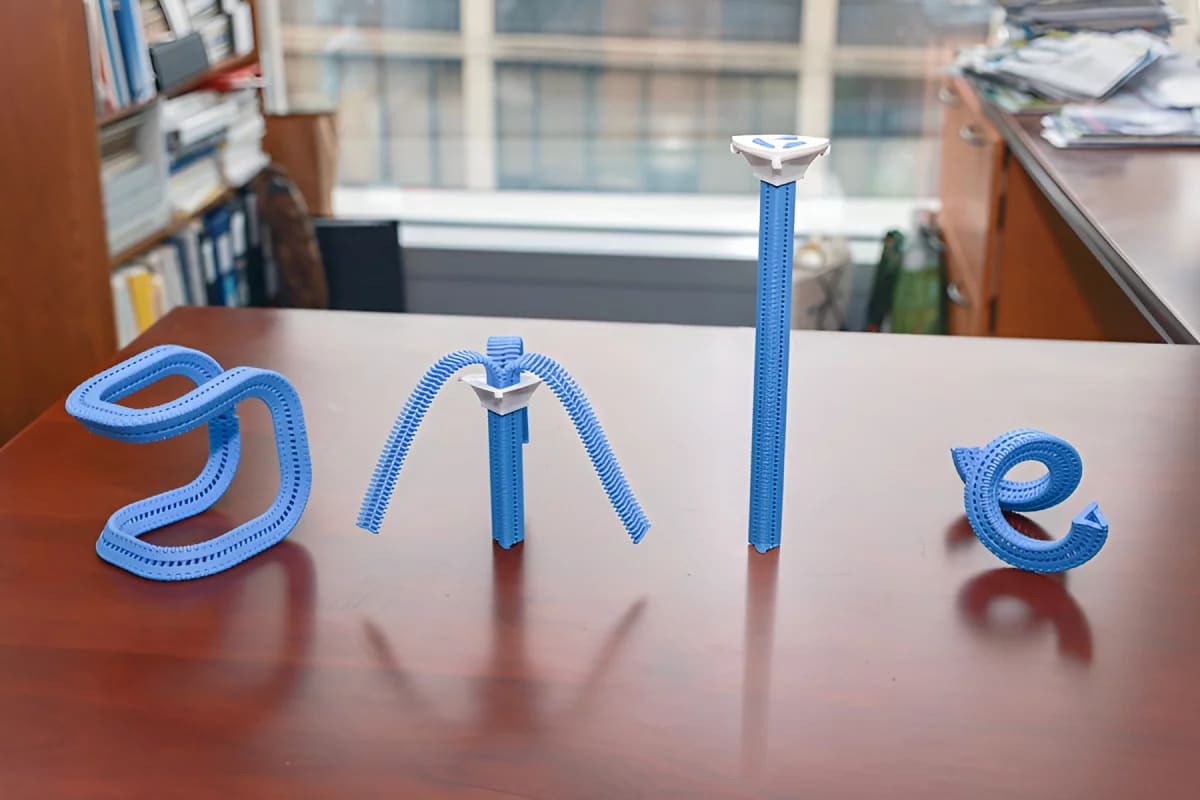
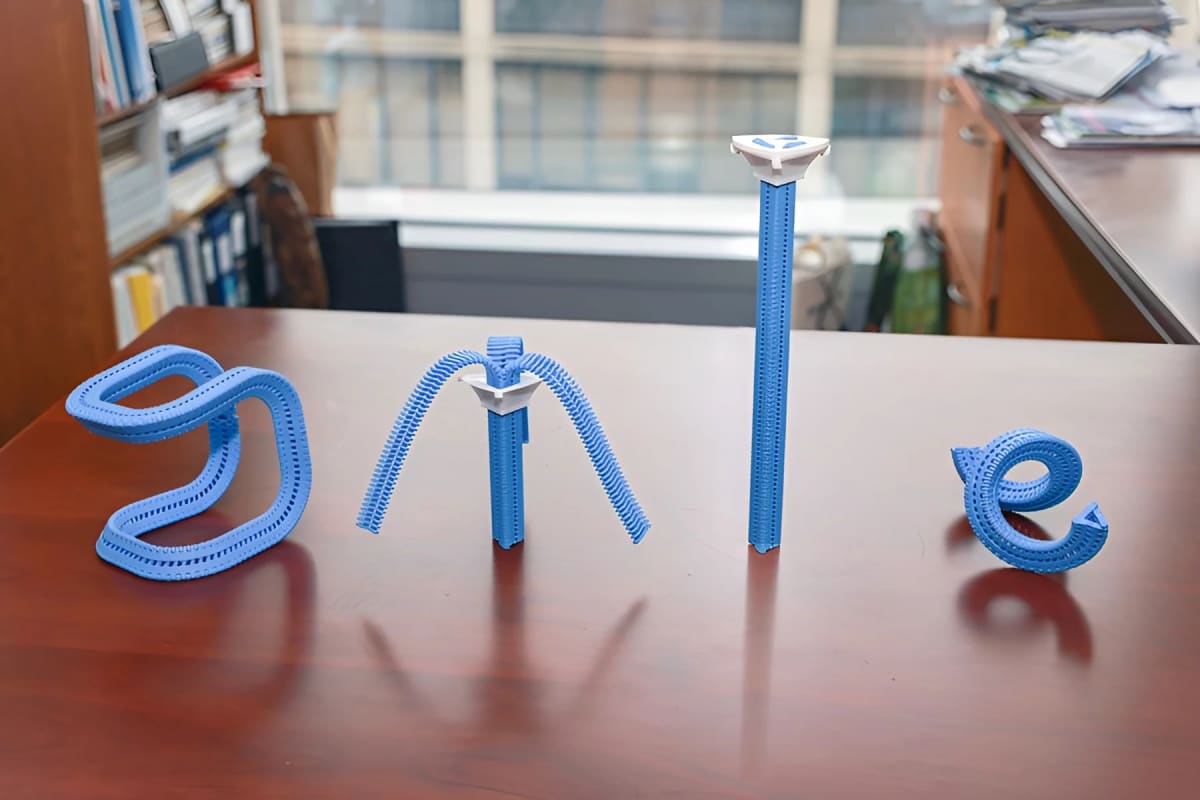
Forty years later, researchers at MIT's Computer Science and Artificial Intelligence Laboratory found Freeman's patent and thought: we can actually build this now. They created the Y-zipper, a 3D-printed triangular fastener that shifts between floppy and firm on command.
The team tested two types of 3D printing plastics to find the sweet spot between strength and flexibility. One material handled heavy loads better, while the other bent more easily. Their machine tests showed the Y-zipper could open and close about 18,000 times before breaking.
When unzipped, the device looks like a three-armed squid. Zip it up and it becomes a sturdy rod strong enough to support a tent or chair.
The camping applications alone could change outdoor adventures. What normally takes six minutes of fumbling with poles in the dark now happens in under two minutes with Y-zipper tent ribs that simply zip into place.
Medical uses look equally promising. The researchers wrapped a Y-zipper around a wrist cast so patients could loosen it at night for comfort and tighten it during the day for support. No more choosing between healing properly and sleeping well.
The Ripple Effect
The innovation reaches far beyond convenience. Robots with Y-zipper legs could adjust their height to navigate rough terrain, making search and rescue missions more effective. Emergency shelters could deploy in minutes during disasters when every second counts.
Space exploration missions could use Y-zipper arms to collect rock samples without the bulk and weight of traditional rigid equipment. The same technology might help medical tents pop up quickly in crisis zones where traditional construction takes too long.
The team even built an art installation: a mechanical flower that blooms when its Y-zipper petals zip upward. It's a playful reminder that breakthrough technology often starts with someone willing to imagine differently.
Freeman's patience paid off in ways he couldn't have predicted when that rejection letter arrived decades ago.
More Images

Based on reporting by New Atlas
This story was written by BrightWire based on verified news reports.
Spread the positivity!
Share this good news with someone who needs it