20 Years In, Bearded Vulture Program Saves Rarest Raptors
A cross-border conservation effort has reached its 20th year of protecting southern Africa's Bearded Vultures, with only 20 breeding pairs left without continued action. The program combines wild nest monitoring, captive breeding, and cooperation between South Africa and Lesotho to save these bone-eating mountain giants.
After two decades of dedicated conservation work, experts are racing to save one of Africa's rarest birds from disappearing entirely.
The Bearded Vulture Recovery Programme celebrated 20 years last week at Midmar Dam in South Africa, bringing together conservationists from both sides of the Lesotho border. What started in 2006 after alarming nest surveys has become a crucial lifeline for a species on the edge.
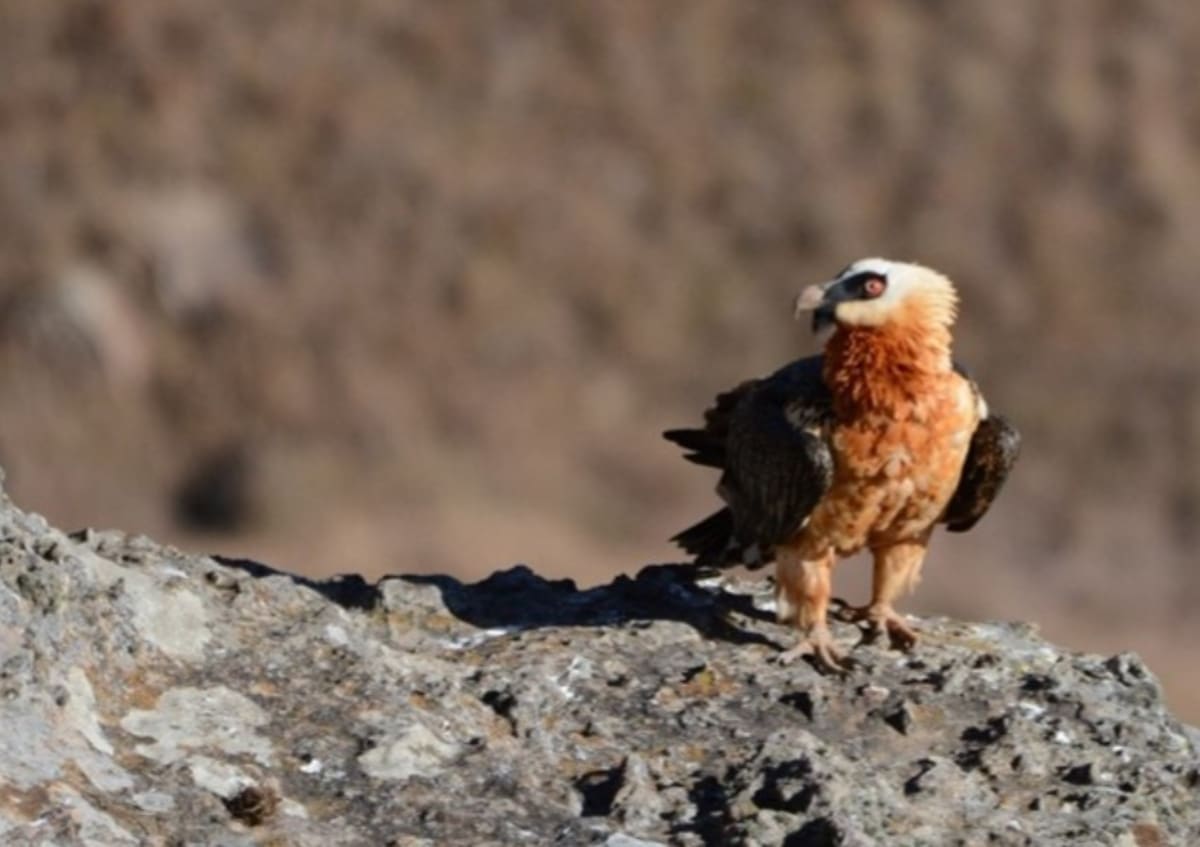
These aren't your typical vultures. Bearded Vultures are massive raptors that make their homes in cliff caves high in the Maloti-Drakensberg mountains. They mate for life, raise just one chick each year, and have a diet that sets them apart: they eat almost nothing but bone.
The southern African population is genetically unique and completely isolated from other vulture groups. Early surveys shocked researchers when they revealed far fewer breeding pairs than expected, prompting the creation of the cross-border task force.
The threats are varied and serious. Poisoning (both intentional and accidental) tops the list, along with persecution for traditional medicine use, habitat loss, and collisions with power lines. Human disturbance at nesting sites and declining food sources add pressure to an already struggling population.
Dr. Sonja Krueger, Park Ecologist at uKhahlamba Drakensberg Park, acknowledges the uphill battle. "The primary threats of poisoning, lack of food and low productivity in the population still need to be addressed," she said.
The Bright Side
The program has notched several victories worth celebrating. Conservation teams have successfully reduced mortality rates through targeted interventions. They've boosted productivity among wild breeding pairs by monitoring nests and reducing disturbances.
The crown jewel is "Bred 4 The Wild," a captive breeding program designed as a genetic safety net. This initiative produces chicks that can eventually join wild populations, ensuring the species doesn't slip into extinction even if wild numbers continue declining.
The partnership between South Africa and Lesotho shows how international cooperation can work. Government agencies, conservation groups, and local communities on both sides of the border now coordinate their efforts, sharing data and resources.
Bearded Vultures do more than look impressive soaring over mountain peaks. They perform a vital ecological service by consuming carcasses and bones that other scavengers leave behind, limiting disease spread and keeping mountain ecosystems healthy.
The species has become a flagship for the entire Maloti-Drakensberg region, drawing attention and resources to mountain conservation more broadly. Live nest cameras on YouTube let anyone watch these magnificent birds raise their young in real time.
Twenty years of work has kept these remarkable raptors flying over African mountains, proving that dedicated conservation can hold the line against extinction.
More Images


Based on reporting by Google News - Endangered Species Recovery
This story was written by BrightWire based on verified news reports.
Spread the positivity!
Share this good news with someone who needs it