200 Medieval Graves Unearthed in Southern France
Archaeologists in Valence, France just uncovered a stunning 1,400-year-old cemetery with over 200 graves and a lost Christian building. The discovery is rewriting what we know about medieval communities in southeastern France.
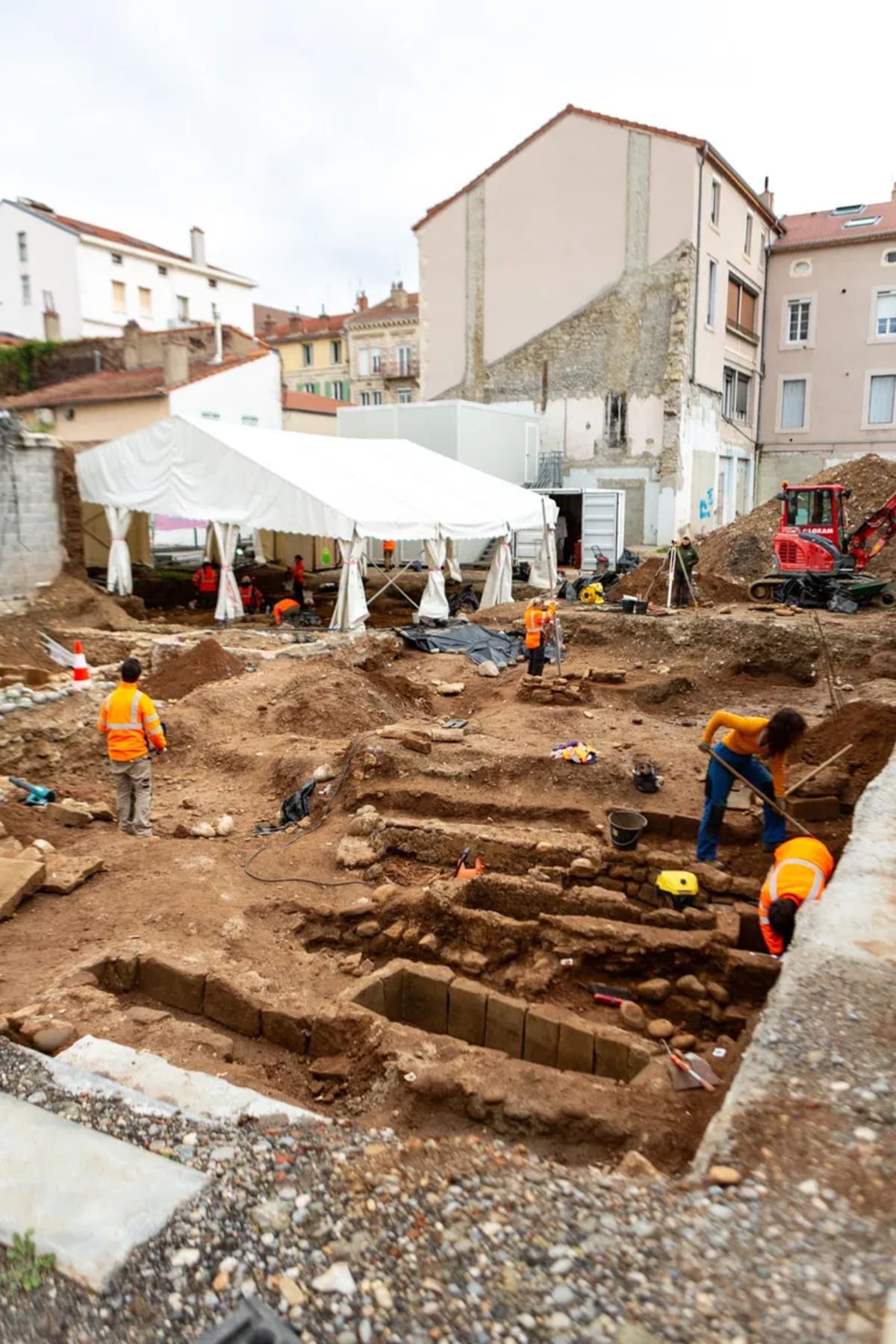
A chance discovery in the French city of Valence has turned into one of the most significant medieval finds in recent years. What started as a routine check on Rue Peloux in late 2024 has revealed an entire forgotten world: a massive early Christian burial site and the remains of a previously unknown religious building dating back to the 7th century.
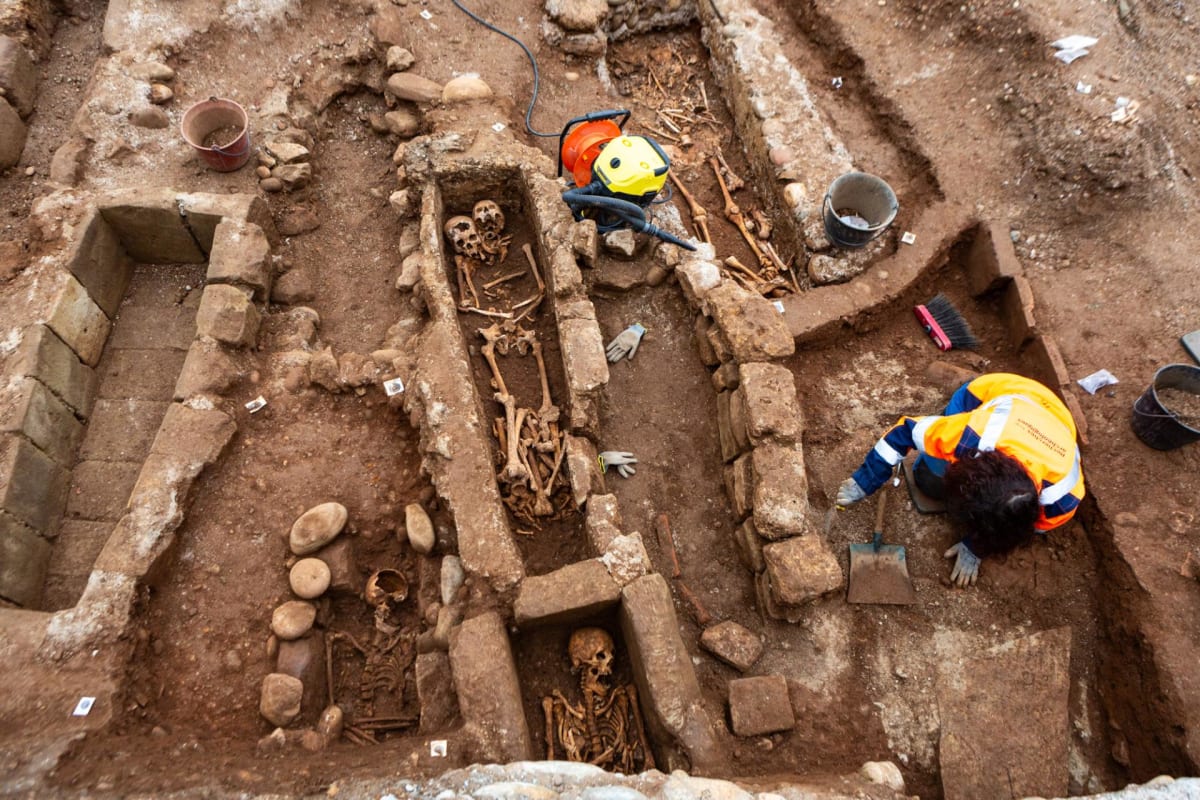
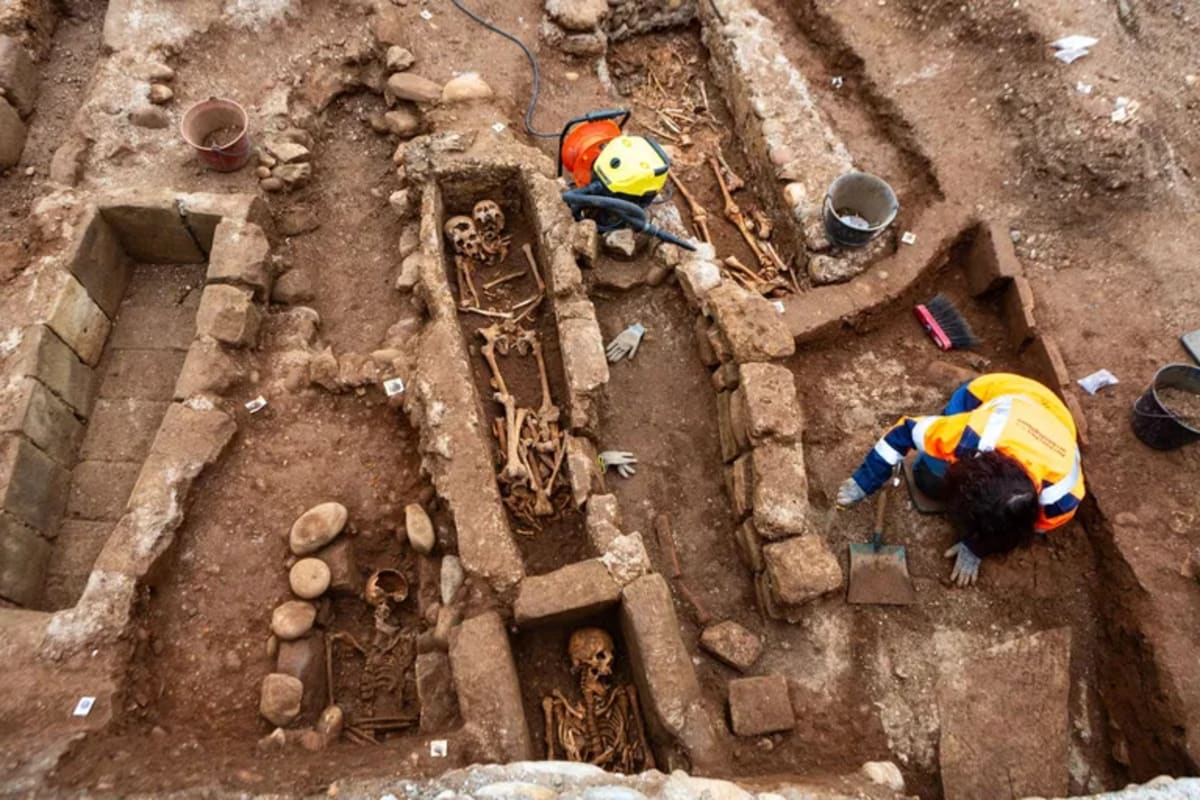
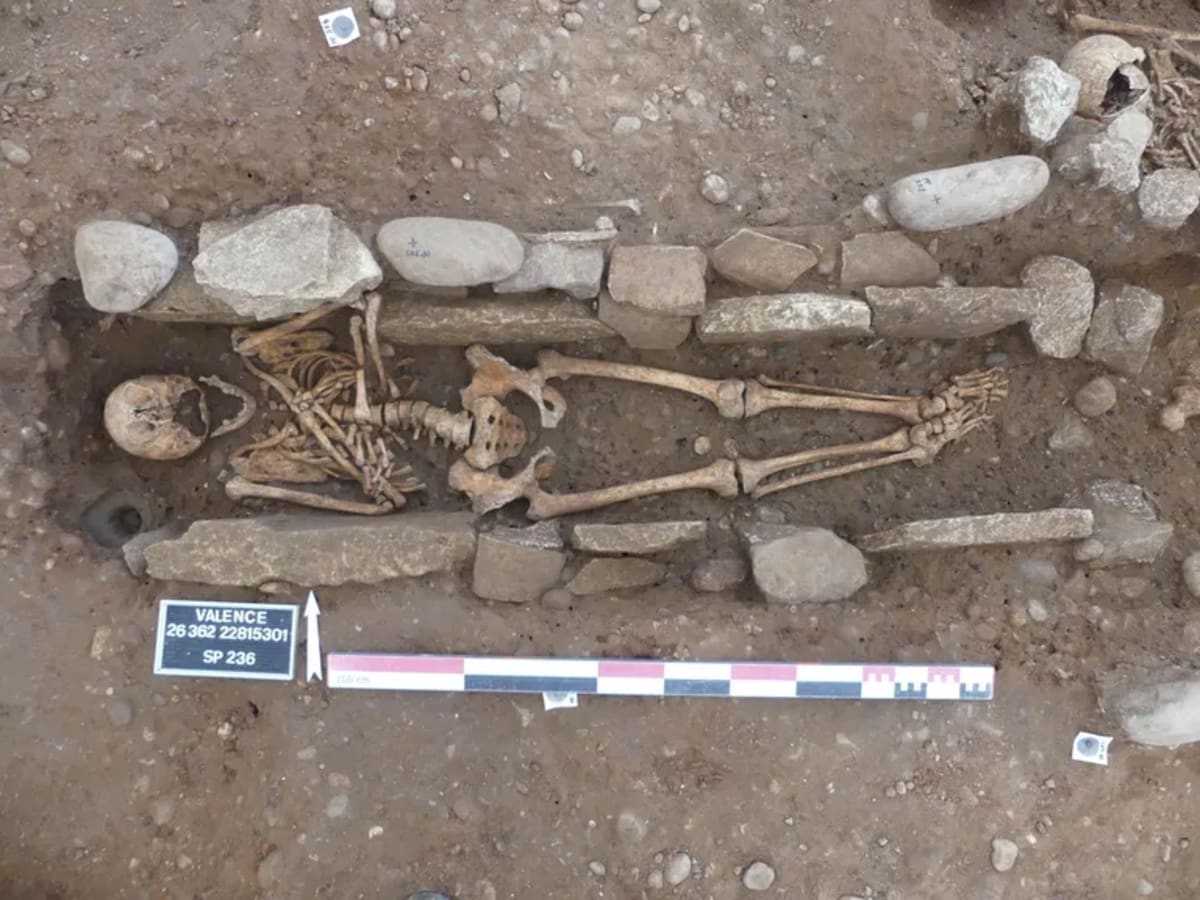
The excavation, led by France's National Institute for Preventive Archaeological Research (INRAP), uncovered 213 graves containing at least 224 individuals, with evidence of a hundred more in secondary burials. The sheer scale of the cemetery tells the story of generations of medieval families who lived, died, and were laid to rest in this community over nearly a thousand years.
At the heart of the site stands the outline of an impressive structure measuring 22 meters long. Though later centuries stripped away most of its stone, archaeologists pieced together its original design: a building with a nave, transept, and a striking triple-apse design. The central apse alone measured 4.5 meters across, suggesting this was no simple chapel but likely an important church or funerary basilica.
The graves themselves reveal touching details about medieval life. Children and infants were carefully buried along the building's north wall, with around 80 young people among the dead. About 40 of these children were under five years old, offering researchers invaluable insight into childhood in medieval times.
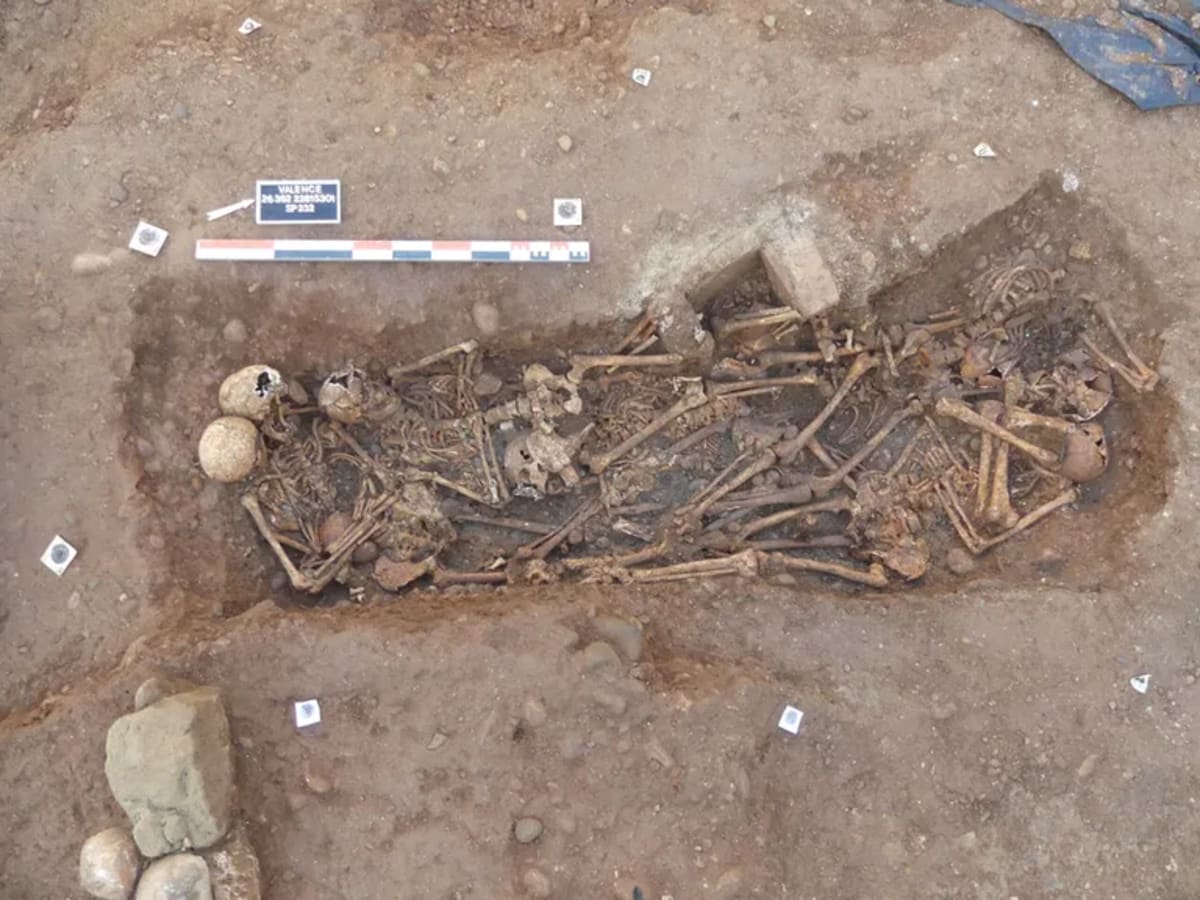
But perhaps the most poignant discovery involves eight mass graves containing between two and eleven people buried simultaneously. These collective burials, dating to the 15th and 16th centuries, likely tell the story of an epidemic that swept through Valence. While researchers suspect plague, they're conducting further tests to identify whether smallpox, typhus, or dysentery might have been the culprit.
Why This Inspires
This discovery does more than fill in historical blanks. Every skeleton, every burial practice, every carefully constructed tomb represents real people who loved, grieved, and honored their dead with dignity. The concentration of children's graves shows a community that valued its youngest members, giving them honored places beside their sacred building.
The fact that this entire world lay hidden beneath a modern French street reminds us that countless stories still wait to be told. Each archaeological dig reconnects us with our shared human experience across the centuries.
Scientists will spend years analyzing the remains, potentially unlocking secrets about medieval diet, health, family structures, and how communities responded to crisis. This single excavation in Valence has opened a window into nearly a millennium of human resilience and faith.
More Images
Based on reporting by Google: archaeological discovery
This story was written by BrightWire based on verified news reports.
Spread the positivity!
Share this good news with someone who needs it