2,000-Year-Old Roman Bread Found in Switzerland
Archaeologists uncovered what may be the first Roman bread ever found in Switzerland, perfectly preserved for two millennia at an ancient military camp. The rare discovery is rewriting when and how Rome established its frontier in the region.
A piece of charred bread sat untouched for 2,000 years beneath a Swiss field, waiting to tell its story of daily life at the edge of the Roman Empire.
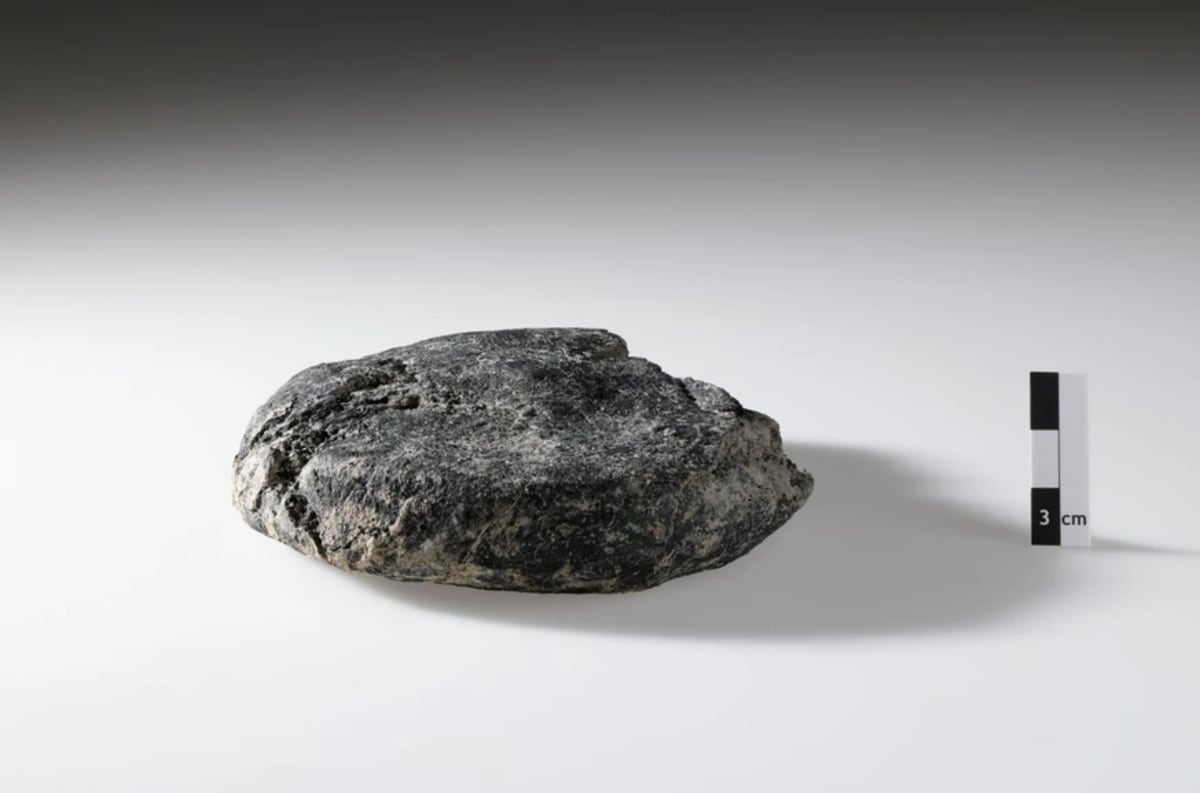
Archaeologists working at Vindonissa, an ancient Roman military site in Switzerland, made an extraordinary find while excavating ahead of a residential development project. Among the tools, weapons, and building remains, they discovered a small, round piece of carbonized bread measuring about 10 centimeters across.
The bread was removed as a soil block and sent to specialists at the University of Basel, who provisionally identified it as Roman bread. Further analysis is underway at a laboratory in Vienna to confirm its composition.
If verified, this would mark the first documented Roman bread ever discovered in Switzerland. Such organic finds are exceptionally rare because bread typically decays unless preserved through carbonization, like the famous loaves found in Pompeii's bakeries.
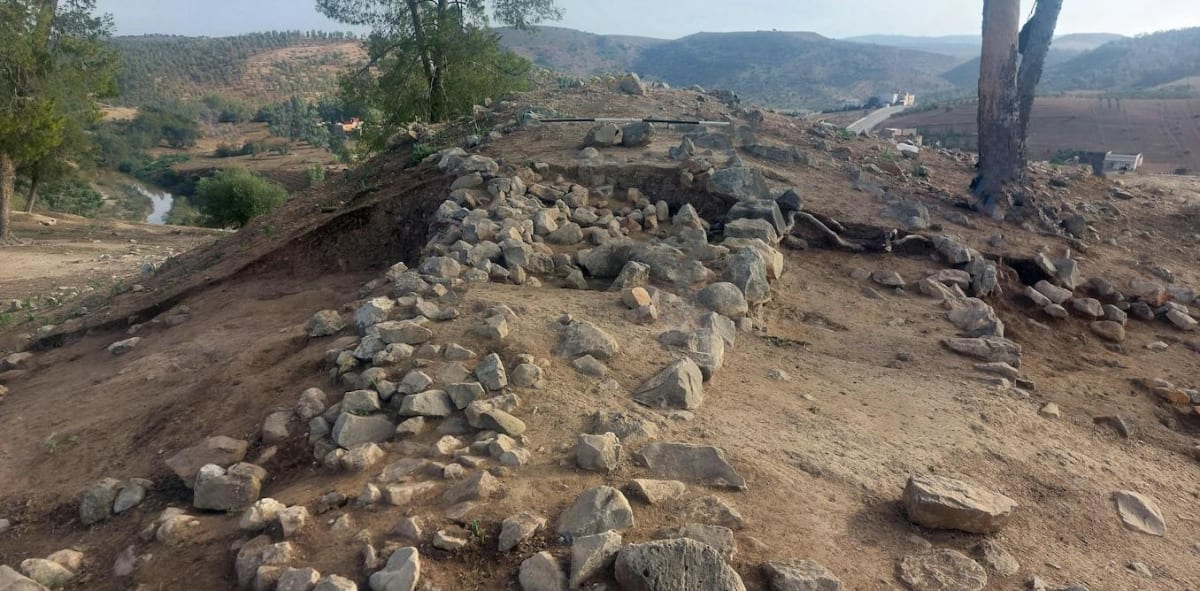
The bread isn't the only revelation at Vindonissa. Excavators working across a 4,000-square-meter area uncovered defensive ditches and postholes that outline the camp's earliest military phase. These structures predate the well-known 1st-century legionary fortress and suggest organized Roman military activity began earlier than historians previously thought.
The team discovered a V-shaped ditch, a signature feature of early Roman military engineering, alongside remains of a wood-and-earth defensive wall stretching nearly 400 meters. Inside the fortifications, they found a structured building with two small rooms flanking a larger central space with a hearth.
Evidence of industrial activity fills the site. Metal tools, forging waste, spearheads, and a carefully constructed clay furnace indicate the camp wasn't just a military outpost but a thriving settlement with organized production and daily routines.
Why This Inspires
This discovery transforms how we understand the past. Most archaeological finds are weapons, monuments, or coins, but this bread offers something more human: a glimpse into an ordinary meal at an extraordinary moment in history.
Someone baked that bread in a Roman military camp on what is now Swiss soil, perhaps for soldiers stationed at the empire's northern frontier. The bread didn't make it to the table. Instead, it carbonized and survived two millennia to connect us directly to daily life in ancient Rome.
The excavation continues until July 2026, and the public can visit on May 9, 2026, for guided tours. Visitors will see archaeologists at work and examine artifacts that are reshaping our understanding of when Rome established permanent military presence in the region.
A single piece of bread is rewriting history, one crumb at a time.
More Images


Based on reporting by Google: archaeological discovery
This story was written by BrightWire based on verified news reports.
Spread the positivity!
Share this good news with someone who needs it
%2Fhttps%3A%2F%2Ftf-cmsv2-smithsonianmag-media.s3.amazonaws.com%2Ffiler_public%2F81%2Fdd%2F81ddd40e-6ceb-4c0a-8b50-8faad9e7912c%2F3fgt4pc.jpg)