Homer's Iliad Found Inside Egyptian Mummy Wrappings
Archaeologists discovered verses from Homer's Iliad tucked inside a 2,000-year-old mummy at an Egyptian burial site, revealing how ancient people recycled precious texts. The rare find shows how Greek literature spread through everyday life in Roman Egypt.
A Spanish-Egyptian team just uncovered something remarkable inside an ancient mummy: verses from one of history's most famous poems, proving that even 2,000 years ago, people found creative ways to reuse what they had.
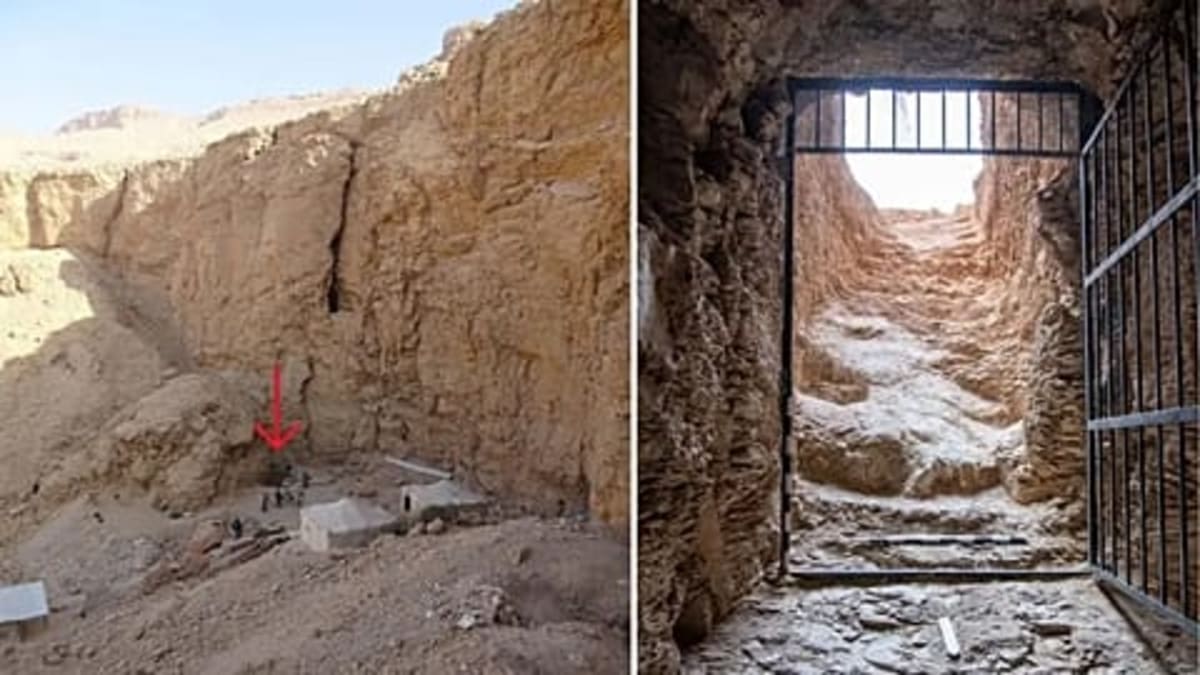
The discovery happened at Oxyrhynchus, an archaeological site about 190 kilometers south of Cairo known for preserving ancient texts. Inside "tomb 65," researchers from the University of Barcelona and the Institute of the Ancient Near East found a papyrus fragment containing lines from Book II of Homer's Iliad, specifically the "Catalogue of Ships" passage that lists Greek forces sailing to Troy.
What makes this find special isn't just finding Homer's words. It's where they were found: woven into a mummy's wrappings, likely repurposed from an old, worn-out scroll that someone decided still had one more use left.
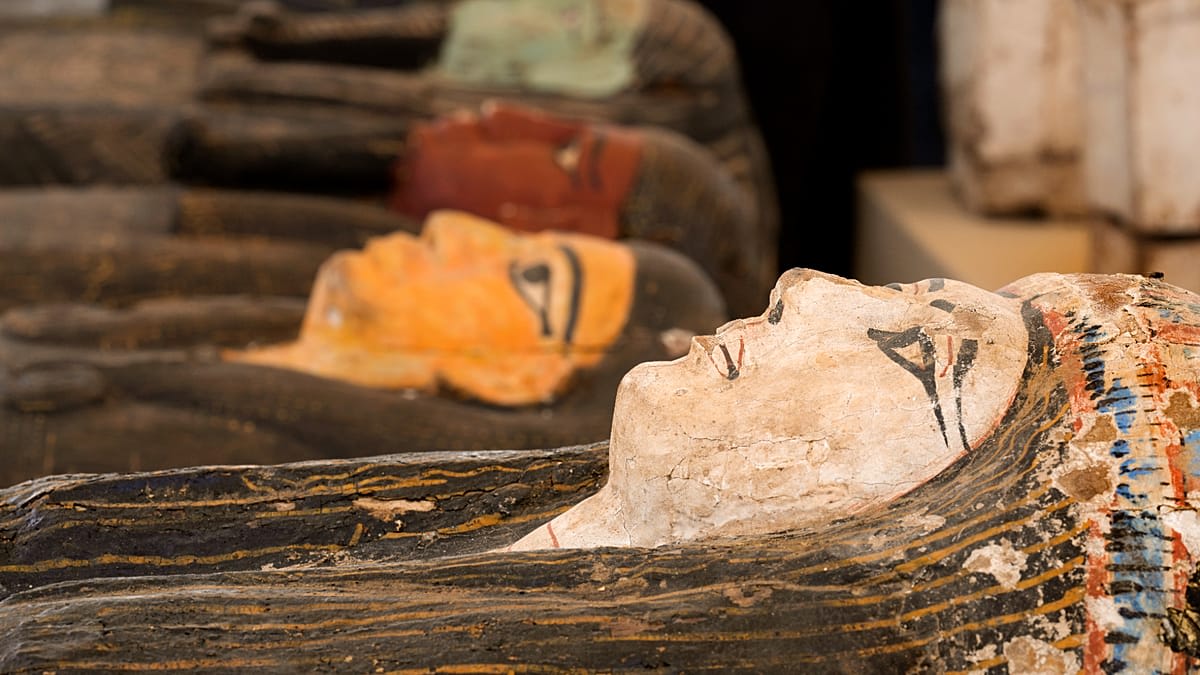
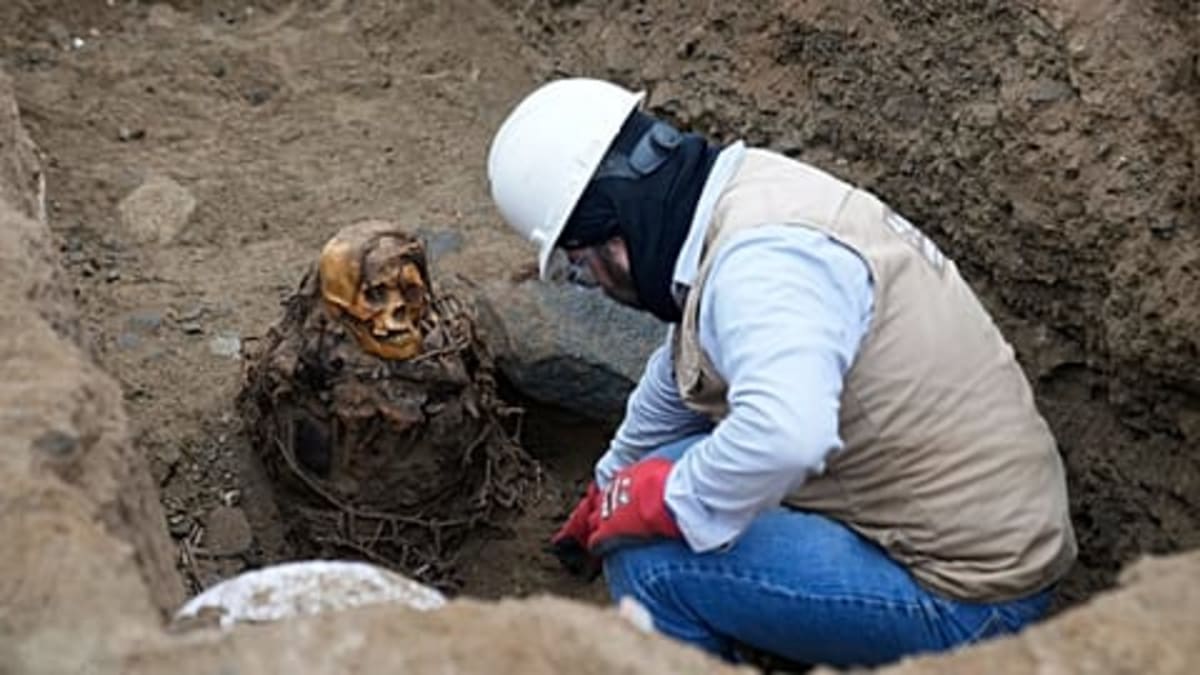
Dr. Maite Mascort and Dr. Esther Pons Mellado, who led the project, documented several mummies with brightly colored geometric patterns still visible on their bandages. The tomb also held polychrome wooden coffins and small metal objects including three thin gold sheets and a copper piece, all part of burial traditions meant to help the deceased in the afterlife.
Professor Hassan Amer of Cairo University explained that tomb 65, despite being looted long ago, tells a fascinating story of cultural blending. Egyptian burial customs mixed freely with Greek and Roman influences during this period, creating unique traditions that borrowed from multiple worlds.
Why This Inspires
This discovery reminds us that great literature has always traveled beyond elite libraries and wealthy collectors. Homer's epic wasn't just for scholars—it was common enough that worn copies ended up recycled into everyday materials, even mummy wrappings.
The find also shows remarkable resourcefulness. In an era before mass production, people valued every scrap of papyrus, finding ways to give old texts new purpose in sacred rituals.
Oxyrhynchus continues proving itself one of the ancient world's most important sites for understanding how ordinary people lived, read, and honored their dead. Each fragment pulled from the sand adds another piece to our understanding of how cultures shared ideas across the Mediterranean world.
The fragment dates to the Greco-Roman period, when Egypt absorbed deep cultural influences from Greek and later Roman civilizations. These weren't just conquered territories—they were places where traditions genuinely merged, creating something entirely new.
Even a looted tomb can still teach us about humanity's timeless habit of blending cultures, recycling resources, and carrying beloved stories wherever we go.
More Images
Based on reporting by Google: archaeological discovery
This story was written by BrightWire based on verified news reports.
Spread the positivity!
Share this good news with someone who needs it