Homer's Iliad Found Inside 1,600-Year-Old Egyptian Mummy
Archaeologists just discovered a papyrus copy of Homer's Iliad tucked inside an ancient Egyptian mummy's abdomen, marking the first time a Greek literary text has been found used in the mummification process. The finding reveals fascinating new details about how ancient cultures blended traditions in ways we never knew.
Imagine wrapping someone for the afterlife and choosing one of history's greatest epic poems to send with them.
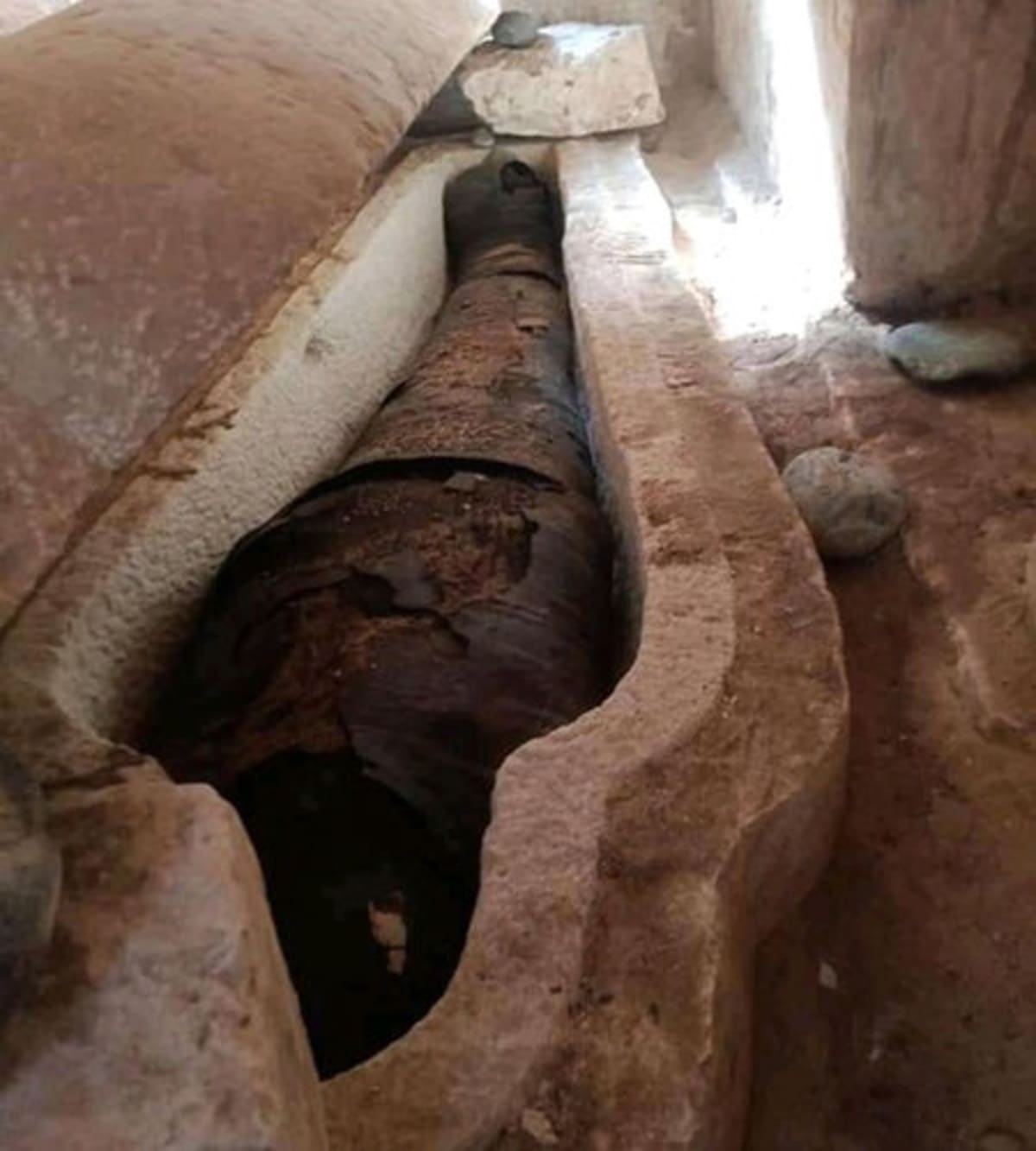
That's exactly what happened 1,600 years ago in Oxyrhynchus, Egypt. Researchers from the University of Barcelona found a papyrus fragment of Homer's Iliad placed inside a mummy's abdomen during a recent excavation campaign.
The discovery rewrites what we know about ancient funerary practices. While Egyptian mummies from this period have been found with Greek papyri before, those texts were always magical spells or religious rituals meant to protect the dead.
This is the first time anyone has found classical literature, a story about heroes and honor, used in the embalming process. The fragment contains text from Book II of the Iliad, the famous "catalogue of ships" passage listing Greek forces gathering before Troy.
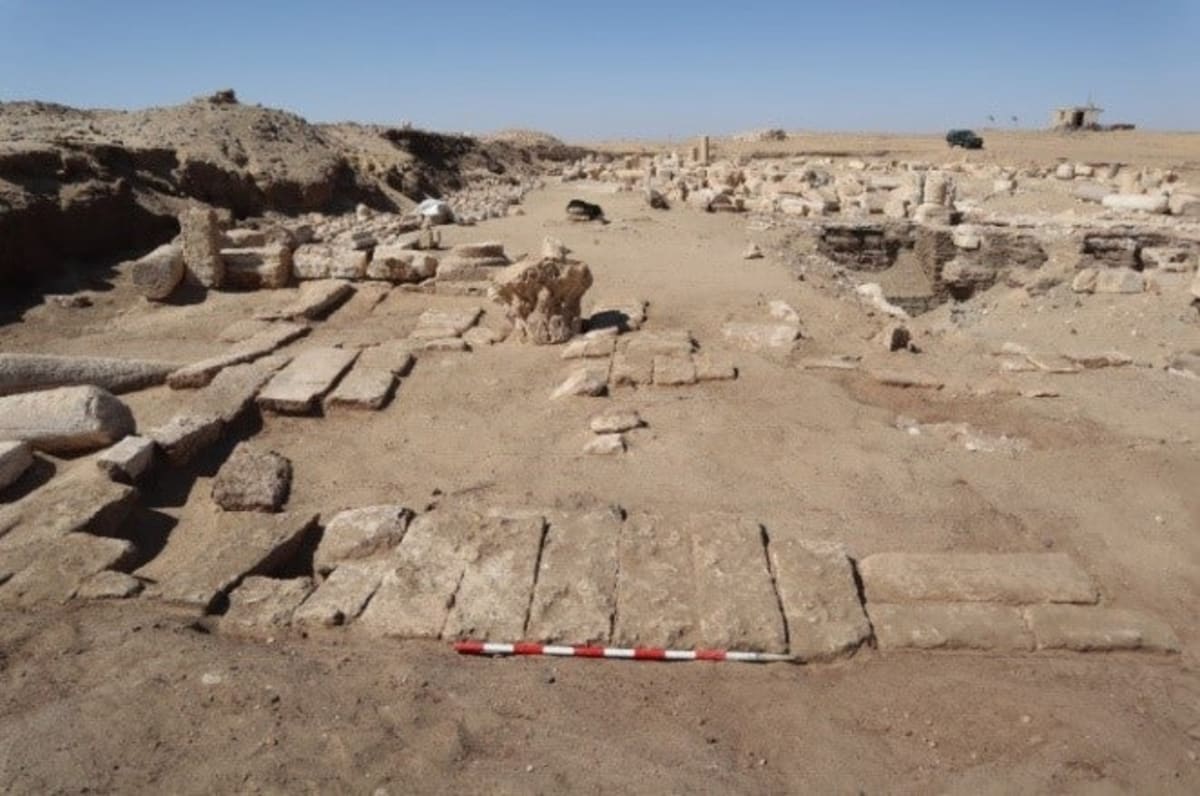
The site of Oxyrhynchus, located about 190 kilometers south of Cairo, was one of the most important cities in Greco-Roman Egypt. The blend of cultures during this Roman era created unique burial customs that mixed Egyptian, Greek, and Roman traditions.
Instead of storing organs in traditional canopic jars, priests during this period packed bodies with preserved materials and sealed papyri inside the chest or pelvic cavity. They wrapped bodies in linen, used natron salt for preservation, and decorated coffins with symbols from multiple cultures.
Why This Inspires
This discovery shows how deeply people valued storytelling, even in death. Someone chose the Iliad, a poem about courage, fate, and the human experience, to accompany this person into the afterlife.
The excavation team found three limestone chambers containing Roman-era mummies and decorated wooden sarcophagi. Previous digs at the same site uncovered 52 Ptolemaic-era mummies, including more than a dozen with "golden tongues," symbols meant to help the dead speak in the afterlife.
Professor Ignasi-Xavier Adiego from the University of Barcelona's Department of Classical, Romance and Semitic Languages called the literary papyrus in a funerary context "the real novelty." Thousands of papyri have been discovered at Oxyrhynchus since the late 1800s, including important Greek literary texts, but never before in this sacred context.
Researchers say they're still unsure why this particular passage was chosen for the mummification ritual. Perhaps the list of heroes resonated with how the deceased wanted to be remembered, or maybe the epic's themes of immortality through glory felt fitting for the journey ahead.
What we do know is that 1,600 years ago, someone believed the words of Homer mattered enough to carry into eternity.
More Images
Based on reporting by Google: archaeological discovery
This story was written by BrightWire based on verified news reports.
Spread the positivity!
Share this good news with someone who needs it