22 Ancient Egyptian Coffins Found Sealed After 3,000 Years
Archaeologists discovered 22 intact painted coffins belonging to temple singers near Luxor, Egypt, still sealed after nearly three millennia. The rare find includes eight unopened papyrus scrolls that could reveal secrets about ancient religious life.
Imagine opening a door that hasn't been touched in 3,000 years and finding treasures waiting exactly as they were left.
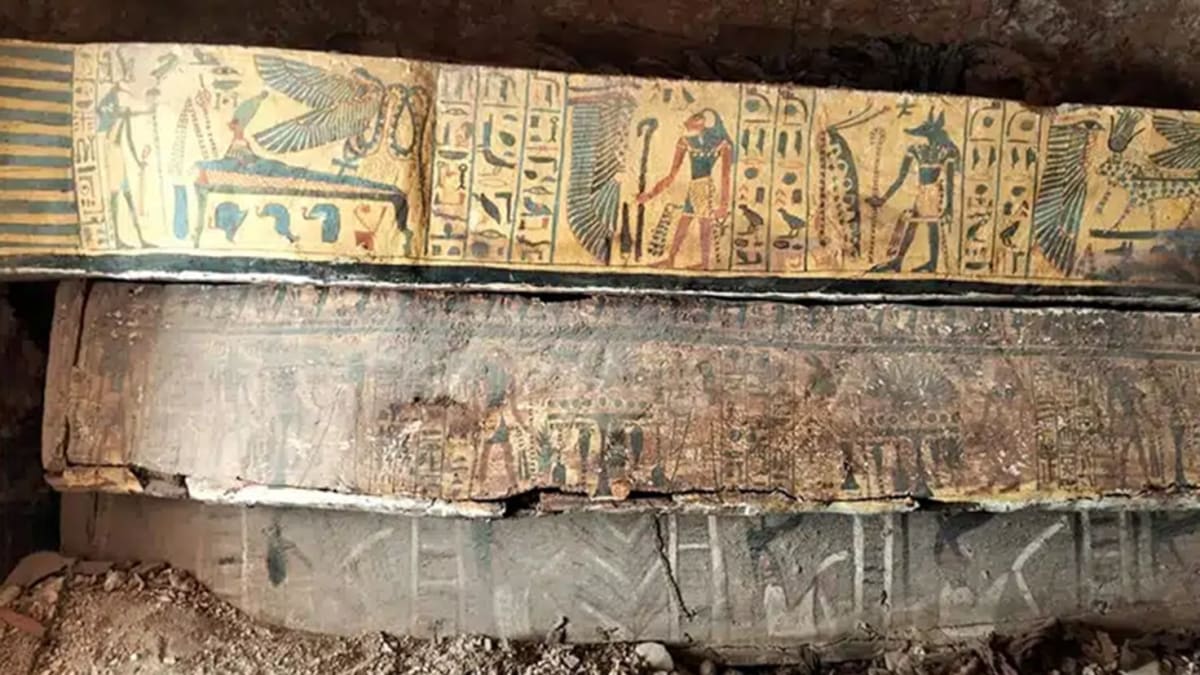
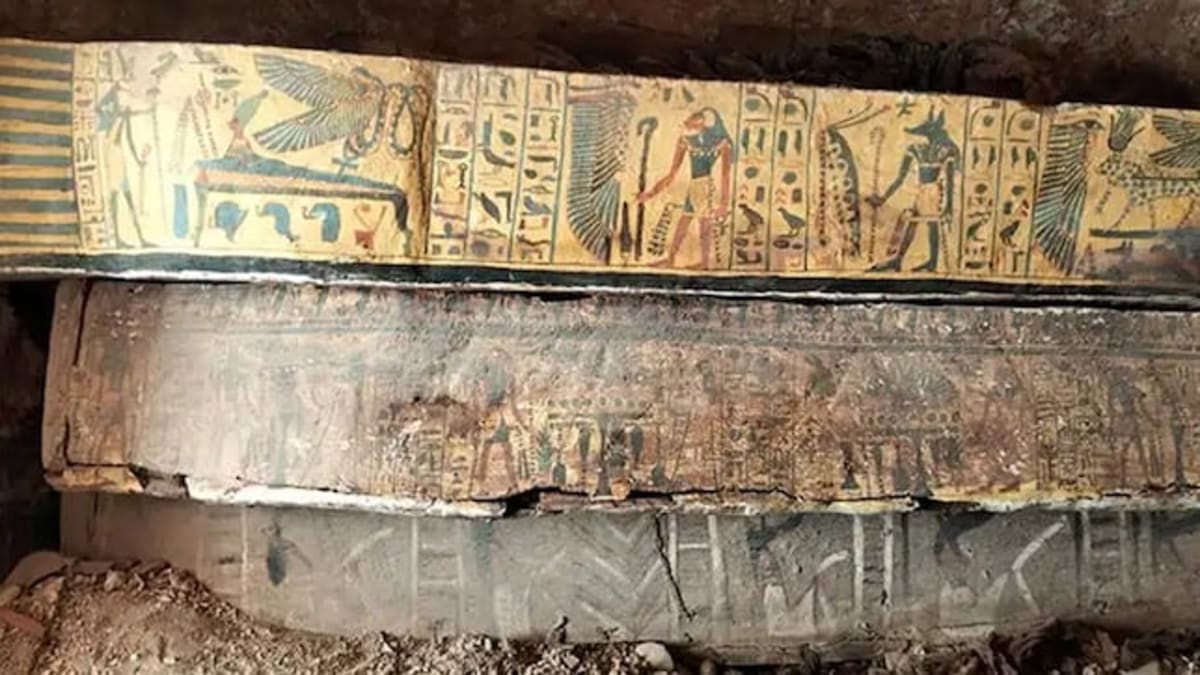
Archaeologists working near Luxor, Egypt, recently entered a rock-cut burial chamber beneath the desert and discovered 22 painted wooden coffins stacked carefully in ten rows. The coffins, dating back to between 1070 and 665 B.C., were completely intact, a rarity in a region where most ancient tombs were looted long ago.
The coffins belonged to women who held an important title: Chantress of Amun. These women performed sacred music and ritual chanting at the Temple of Karnak during a time when religious authority dominated the ancient city of Thebes.
Egypt's Ministry of Tourism and Antiquities announced the discovery in the Asasif necropolis, calling it highly unusual. Most coffins from this period had been opened or damaged centuries ago, but these remained sealed with their mummified remains still inside.
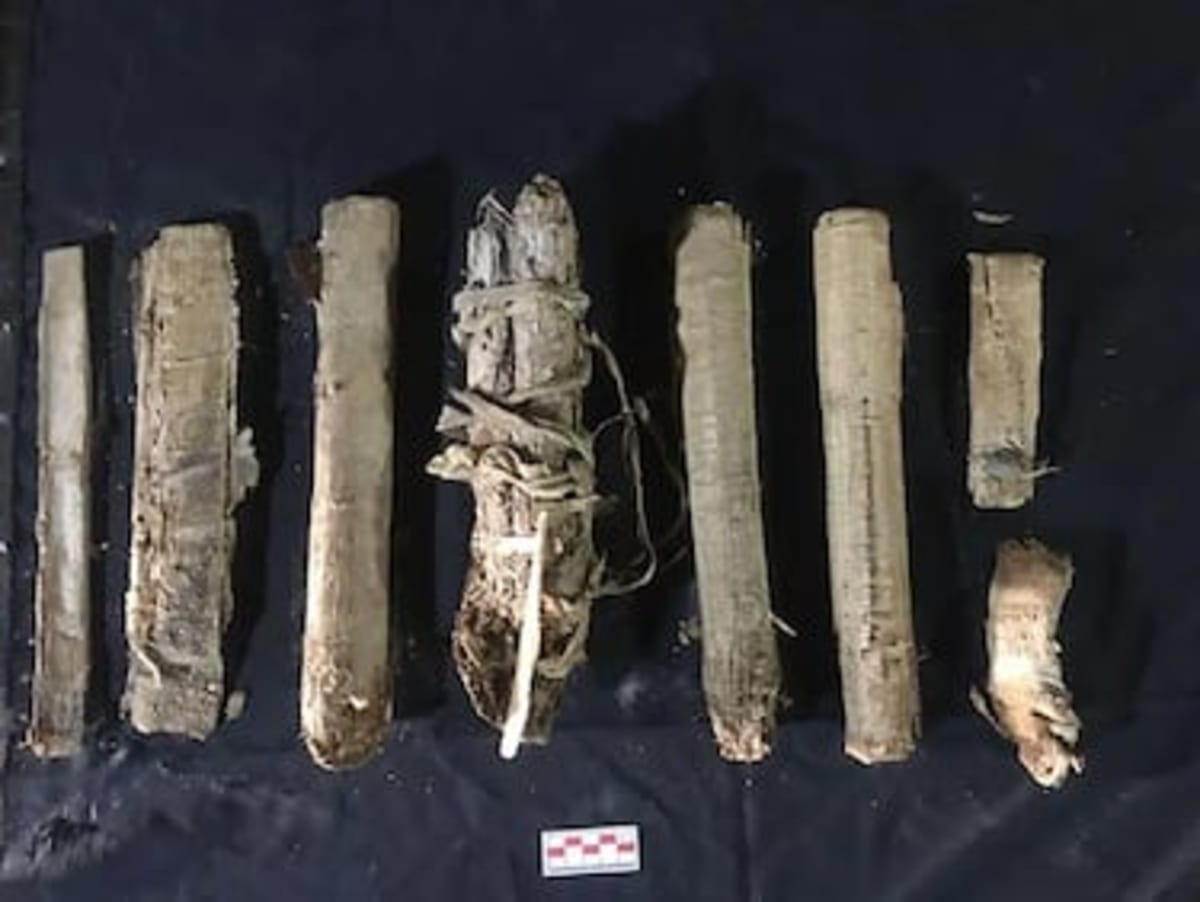
What makes this discovery even more remarkable is what archaeologists found alongside the coffins: eight unopened papyrus scrolls sealed with clay stamps. The ministry described them as a "treasure trove of information" waiting to be translated.
The burial chamber appears to have been a secondary storage site rather than an original tomb. The lids were separated from the coffin boxes, and everything was organized methodically in horizontal rows, suggesting temple authorities carefully managed the space.
Most of the coffins identified their occupants by professional title rather than personal name. This detail tells researchers that religious status during this period mattered more than family lineage, revealing how deeply connected these women were to temple life.
Why This Inspires
This discovery reminds us that history still has secrets to share. While Egypt yields archaeological treasures regularly, finding intact burials from this era is exceptionally rare.
The Chantresses of Amun weren't royalty or wealthy nobles. They were working women whose religious service earned them honored burials and lasting recognition.
Once the papyrus scrolls are translated, they could reveal new insights about temple administration, funeral practices, or financial records from ancient Thebes. Researchers believe residue analysis might also show how important documents were preserved in the ancient world.
The archaeological team, working jointly between the Supreme Council of Antiquities and the Zahi Hawass Foundation for Archaeology and Heritage, now hopes to locate the original tombs where these coffins first rested. Finding those sites could help determine whether these women were buried together initially or moved from different locations over time.
After three thousand years of patient waiting, these temple singers are finally sharing their stories with the world.
More Images
Based on reporting by Google: archaeological discovery
This story was written by BrightWire based on verified news reports.
Spread the positivity!
Share this good news with someone who needs it