2,400-Year-Old Oak Structure Found Under German River
Construction workers in Germany just unearthed a massive wooden and stone structure from 2,400 years ago, so well preserved that archaeologists first thought it was modern. The rare Iron Age discovery is rewriting what we know about ancient life along the Main River.
Workers digging near a German riverbank made a discovery that would completely change our understanding of an ancient city.
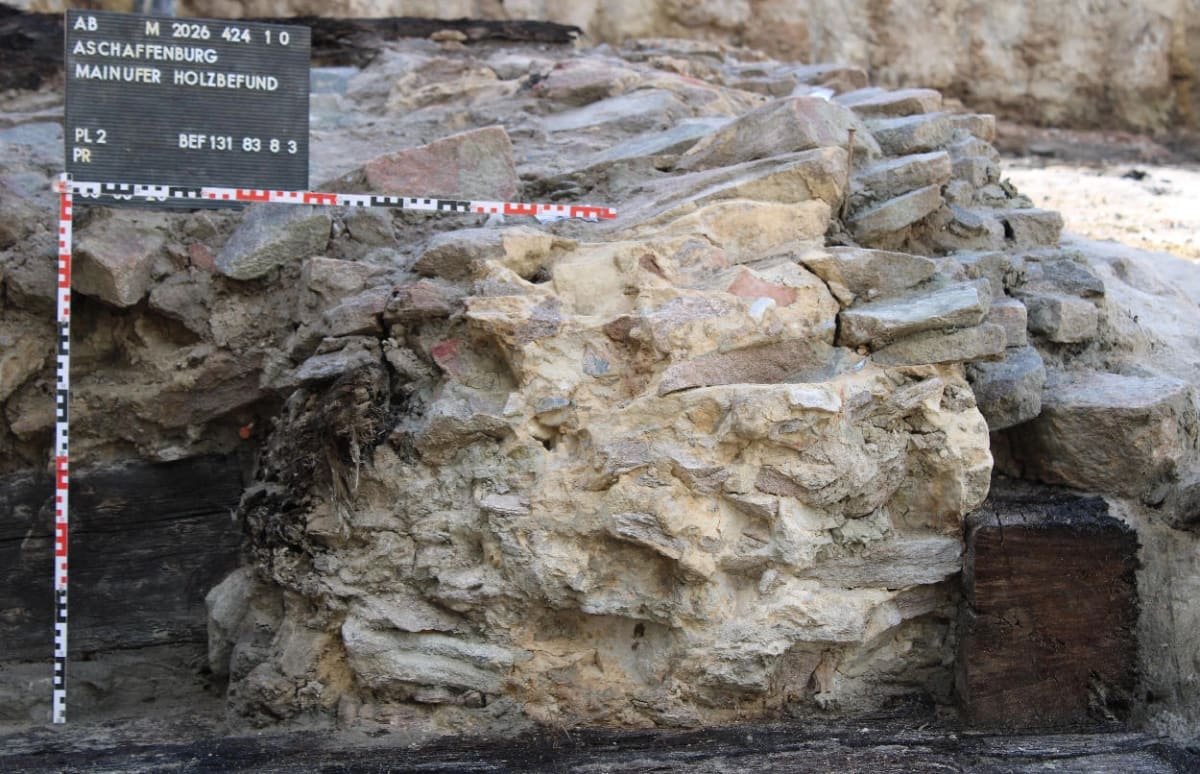
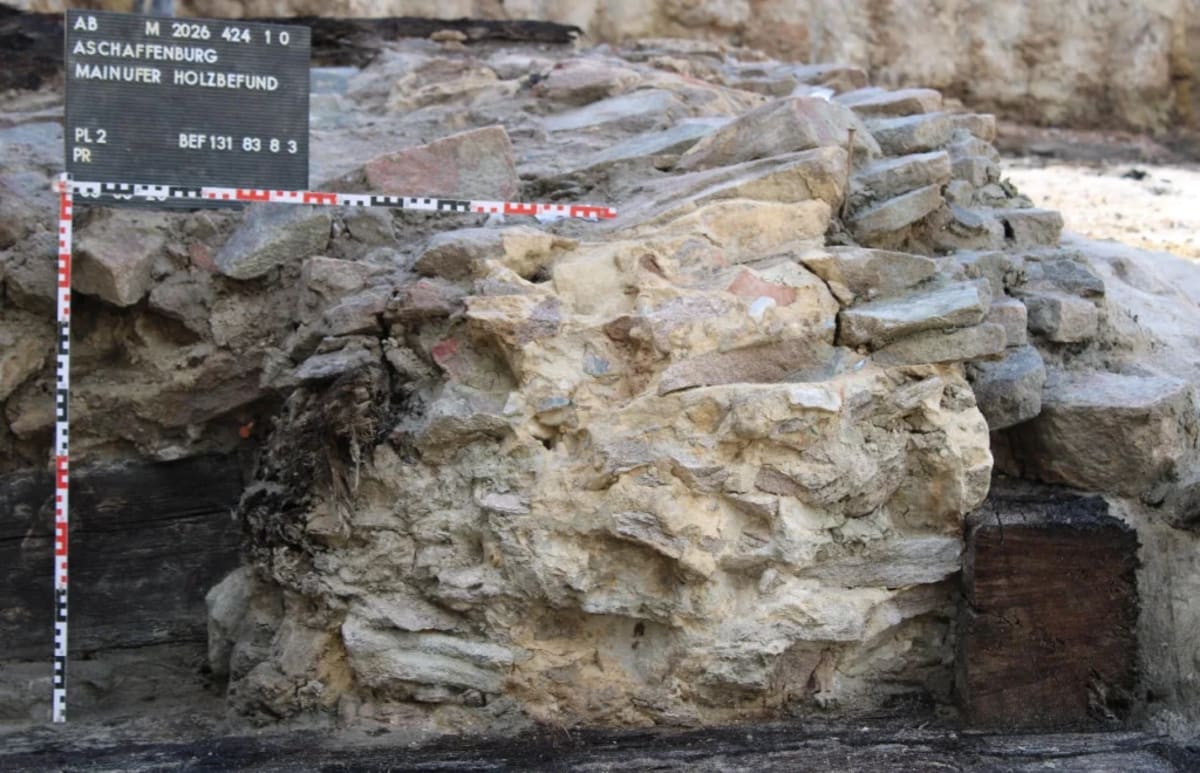
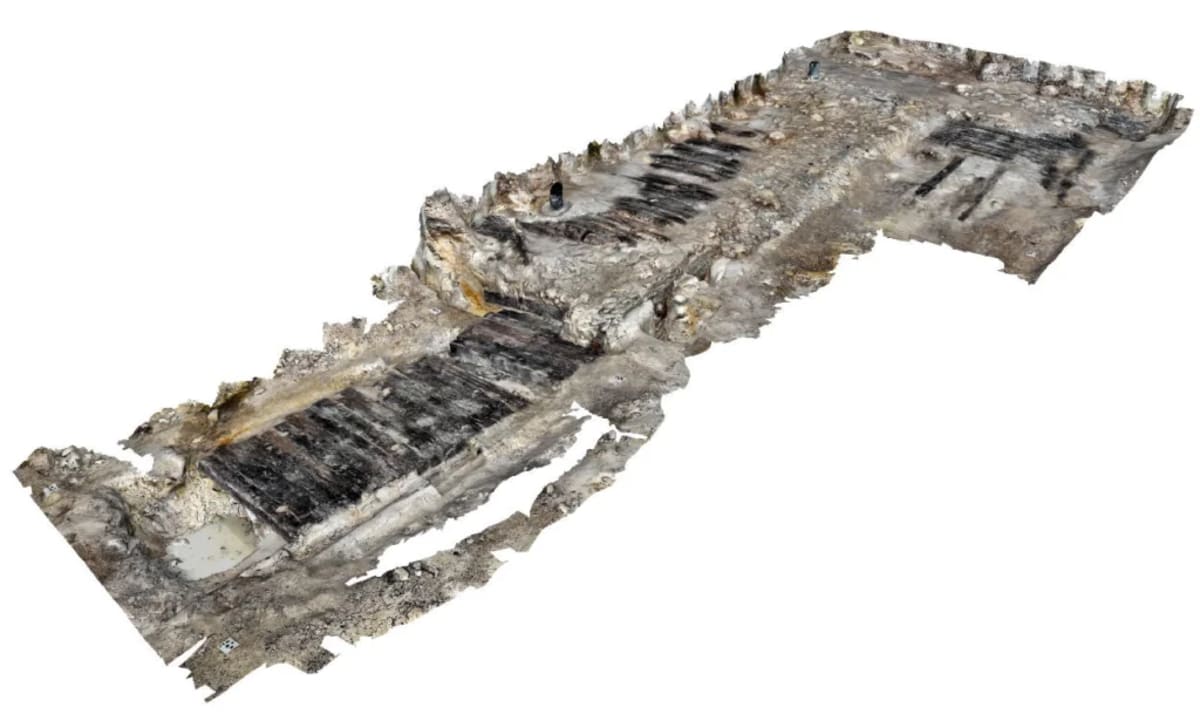
When construction crews uncovered wooden beams eight meters underground in Aschaffenburg, Germany, the wood looked so fresh that experts assumed it was only a few hundred years old. Then the tests came back. The oak timbers were cut in the 4th century BC, making them 2,400 years old.
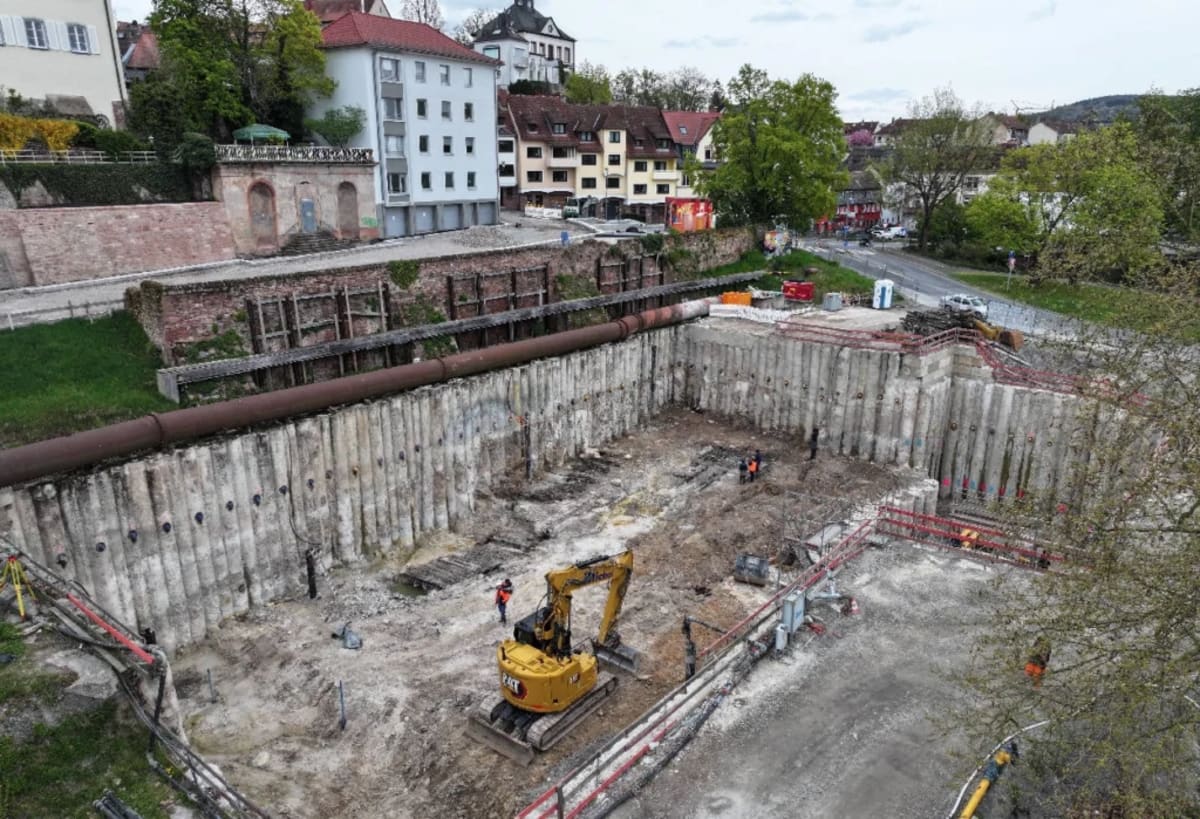
The discovery happened during construction of a rain basin near the Willigis Bridge. Once workers hit the wooden remains, the Bavarian State Office for Monument Protection rushed to the site to investigate what turned out to be far more than simple logs.
Scientists analyzed the tree rings in the oak beams at a specialized laboratory, comparing them with regional oak chronologies. The results placed the structure firmly in the Iron Age, during a period called La Tène when Celtic culture flourished across Europe.
What makes this find extraordinary is its construction. The builders didn't just use wood. They combined massive oak beams with a dry-stone wall facing the Main River, a building technique rarely seen in Iron Age Germany outside of fortified sites.
Dr. Stefanie Berg, who leads archaeological monument preservation at the state office, called the discovery exceptional. The riverside location, remarkable preservation, and unique wood-and-stone design suggest this wasn't an ordinary building.
Why This Inspires
This discovery gives us a window into a sophisticated society we barely knew existed. For years, archaeologists found hints of Iron Age life in Aschaffenburg: a gold finger ring here, a decorated fibula there. But these isolated objects couldn't tell the full story of who lived there or how complex their community was.
Now, this massive structure suggests the ancient settlement was far more advanced than anyone imagined. The scale and quality of construction point to a community with engineering knowledge, organized labor, and possibly significant political importance along the Main River trade route.
The work continues under challenging conditions inside a deep construction pit, with each discovery carefully documented. Researchers are now asking bigger questions: Was this part of a fortification? A public building? Something ceremonial?
The modern city of Aschaffenburg has been hiding secrets beneath its streets for millennia, and each new answer raises fresh mysteries about the people who built with such skill so long ago. Sometimes the best discoveries are the ones we never thought to look for.
More Images
Based on reporting by Google: archaeological discovery
This story was written by BrightWire based on verified news reports.
Spread the positivity!
Share this good news with someone who needs it