24,000 Flamingos Find New Winter Home in Venice Lagoon
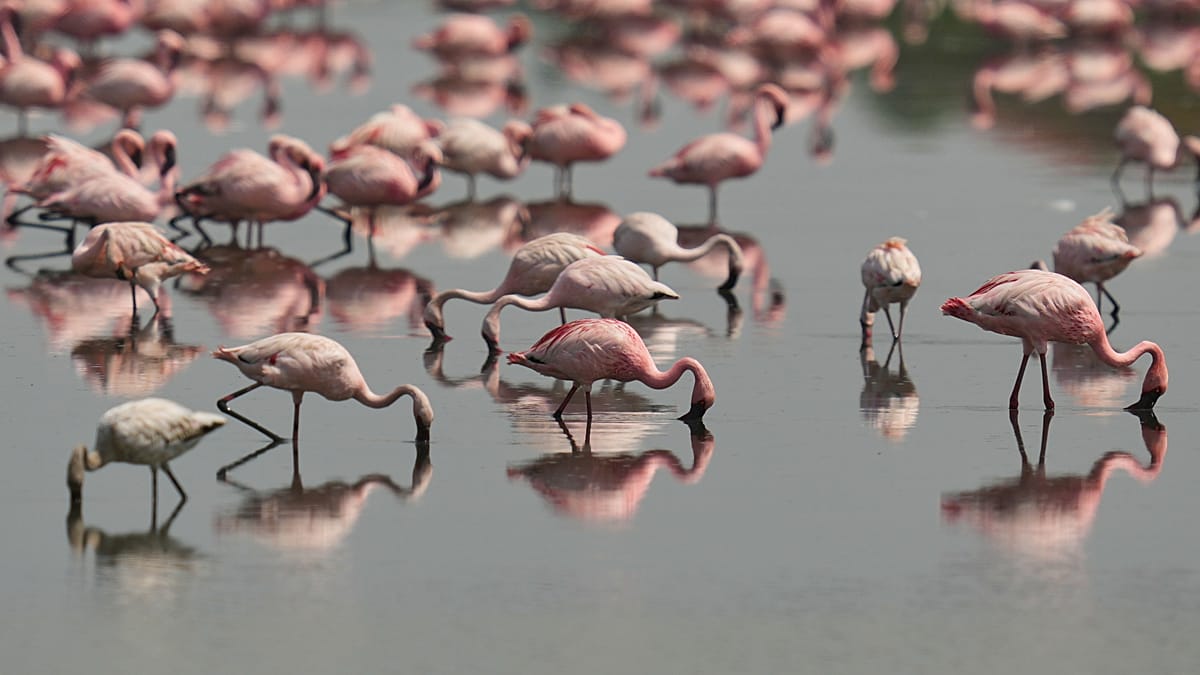
Pink flamingos are flocking to Venice's lagoon in record numbers thanks to an ambitious wetland restoration project. What started as rare sightings in the early 2000s has grown to nearly 24,000 birds making the historic Italian waters their winter home.
The Venetian dialect has no word for flamingos because until recently, the elegant pink birds never lived there.
But thanks to a massive European wetland restoration effort, Venice's lagoon has become one of the most important flamingo wintering spots in the entire Mediterranean. Last year alone, nearly 24,000 flamingos settled into the lagoon's marshes and mudflats. That's 6,000 more than the year before.
The secret to their arrival lies beneath the water's surface. The EU's €23.6 million WaterLANDS project is rebuilding the salt marshes that once covered nearly half of the 550 square kilometer lagoon but had shrunk to just 7 percent after decades of erosion and industrial dredging.
"Venice is now on a trajectory to becoming a marine bay," explains Jane da Mosto, executive director of We Are Here Venice. The restoration project aims to change that course of history.
Ornithologist Alessandro Sartori surveys the lagoon weekly by boat, watching the pink flocks grow. In the southern lagoon alone, flamingo numbers have jumped from just a handful three years ago to as many as 400 during peak periods. The reconstructed marshes are drawing them like magnets.
The flamingos mostly stick to the remote fishing valleys and mudflats in the lagoon's furthest reaches, making casual sightings from Venice's famous canals extremely rare. But their presence signals something remarkable about the ecosystem's health.
The birds haven't successfully nested yet, though they've tried twice. Violent hailstorms in 2008 and 2013 killed dozens of birds and destroyed their nesting attempts. Still, Sartori remains hopeful that the expanding habitat will eventually support a self-sustaining colony.
The Ripple Effect
The flamingos are just one bright spot in a much larger environmental success story. Rebuilding the salt marshes captures carbon dioxide from the atmosphere and helps protect Venice from rising sea levels. The restored wetlands also provide crucial habitat for dozens of other species struggling across Europe.
Da Mosto's team is researching ways to increase biodiversity on the reconstructed marshes by planting native species that reduce erosion and make the wetlands more resilient. Pink feathers scattered across the mudflats show the flamingos are already making themselves at home.
The growing flamingo population offers Venice a chance to showcase its ecological significance beyond the usual tourist attractions. Instead of just gondolas and historic architecture, visitors can now appreciate the city's role in protecting Mediterranean wildlife.
As restoration continues across the lagoon's most damaged areas, researchers expect even more flamingos to arrive, transforming Venice into an unlikely but vital sanctuary for one of Europe's most iconic birds.
More Images

Based on reporting by Euronews
This story was written by BrightWire based on verified news reports.
Spread the positivity!
Share this good news with someone who needs it