25-Million-Year-Old Platypus With Teeth Found in Australia
Scientists just discovered ancient platypus fossils in the Australian outback that solve a 25-million-year-old mystery. These remarkable creatures had full sets of teeth and thrived in a lush paradise where desert now stands.
Scientists have uncovered something incredible in South Australia's desert: platypus fossils with teeth that date back 25 million years, when the now-barren outback was a thriving wetland paradise.
Researchers from Flinders University spent two decades carefully excavating sites at Frome Downs Station, about 425 kilometers north of Adelaide. Among millions of fish bones and over 1,000 vertebrate fossils, they found three specimens of Obdurodon insignis, the oldest known platypus species.
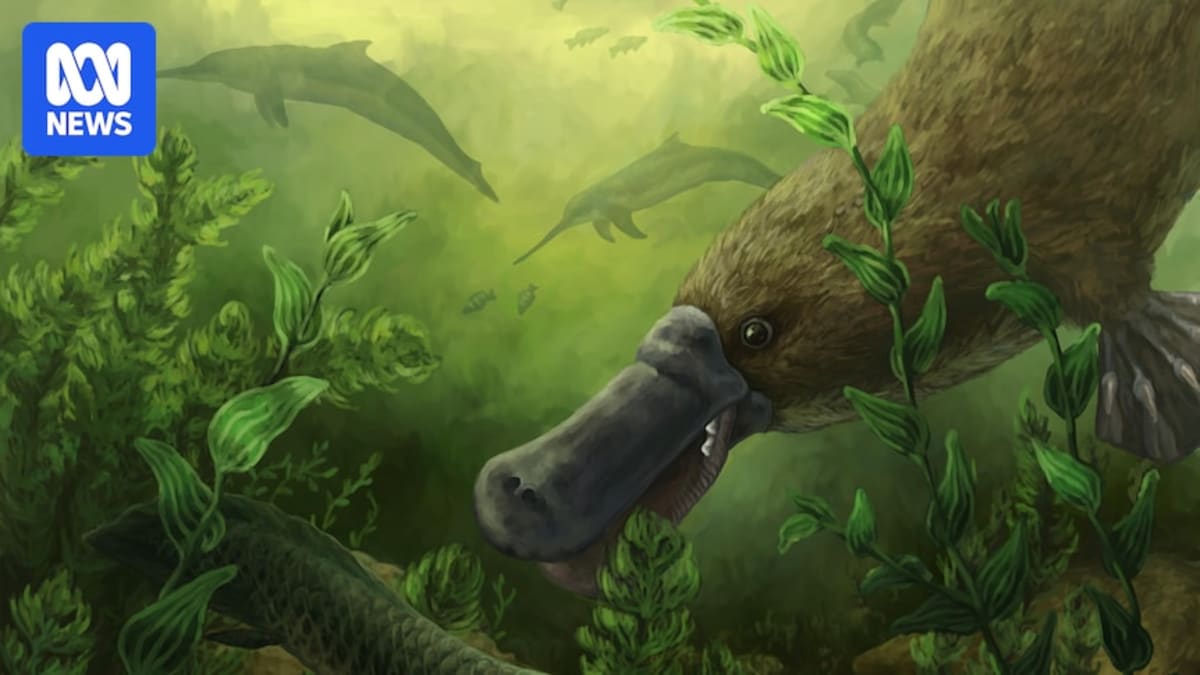
The discoveries paint a surprising picture of ancient Australia. Where harsh desert exists today, lush forests once surrounded waterways teeming with lungfish, flamingos, and even freshwater dolphins. The platypuses that lived there looked familiar but had one major difference from their modern descendants.
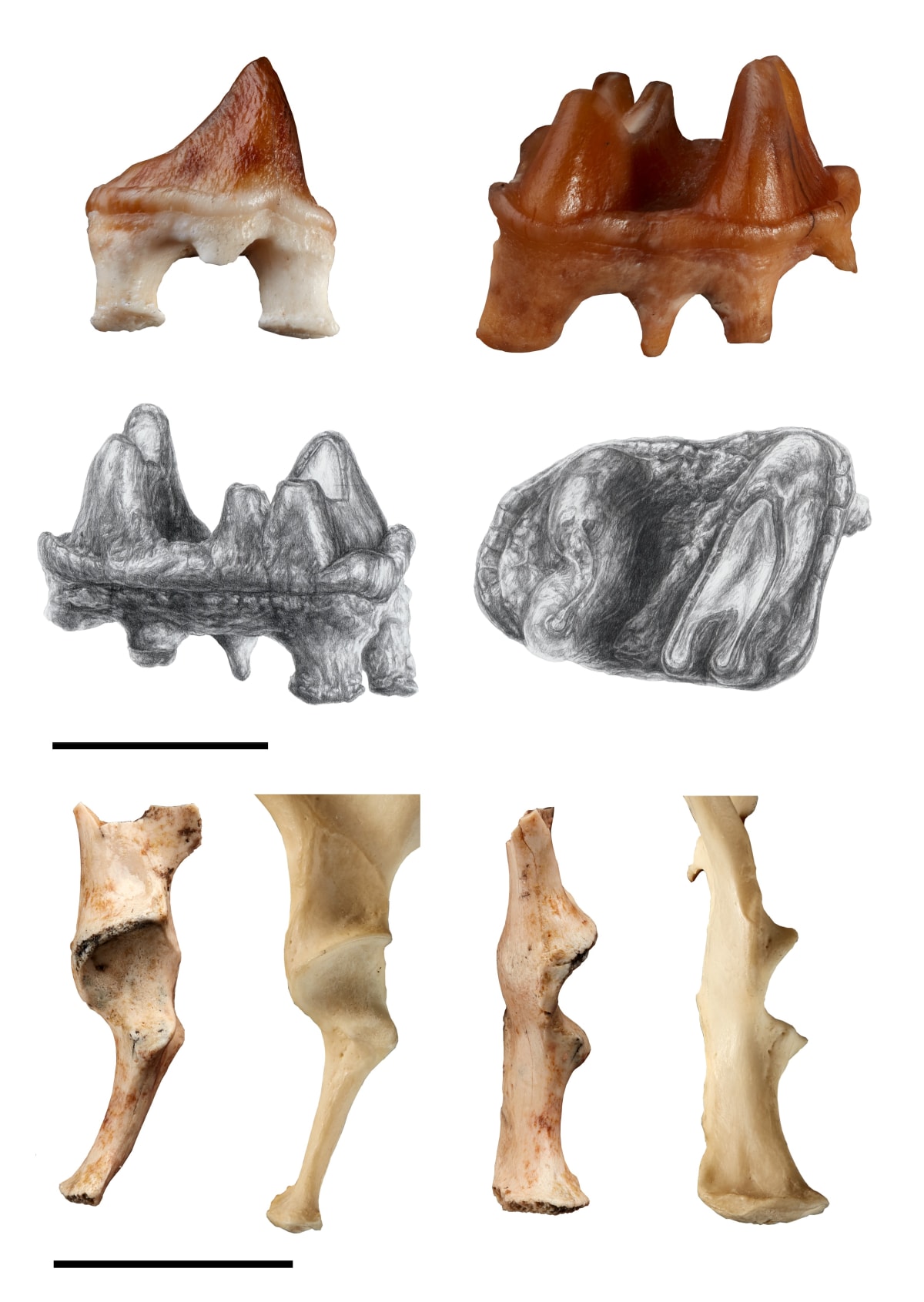
These ancient platypuses kept their teeth into adulthood, sporting both molars and premolars perfect for crunching hard-shelled prey. Large, pointy premolars lined the front of their jaws, while powerful molars sat in the back, letting them feast on crayfish, molluscs, and clams. Today's platypuses lose their teeth as youngsters and rely on rough mouth pads to grind softer foods like insect larvae and worms.
The fossils push back our understanding of toothed platypuses by 8 million years. Previous findings showed these creatures had teeth 17 million years ago, but this discovery proves they possessed their impressive chompers even earlier.
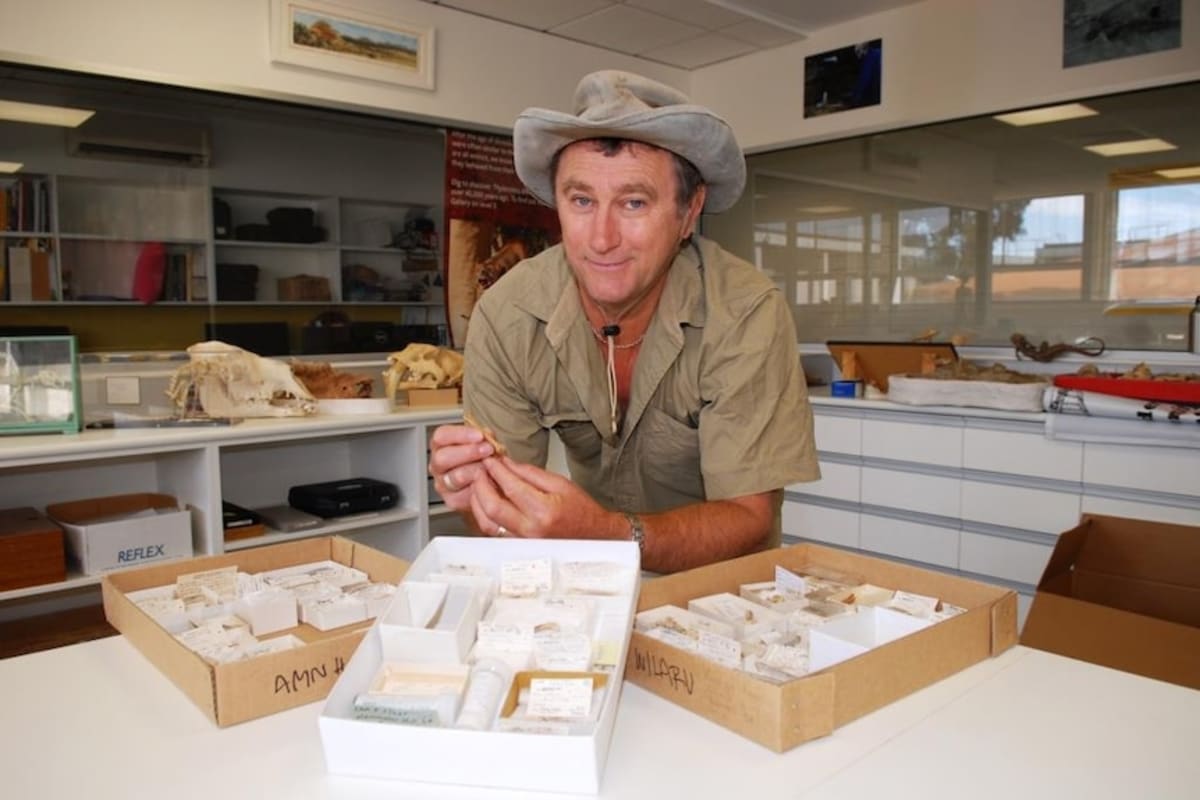
Associate Professor Trevor Worthy and his team also found something reassuring: a shoulder bone called a scapulocoracoid that looks remarkably similar to modern platypuses. This means these ancient creatures were just as skilled at swimming as their descendants today.
Why This Inspires
The platypus has captivated scientists for centuries as one of nature's most unusual mammals. Learning that these egg-laying, duck-billed swimmers have been perfecting their craft for at least 25 million years makes them even more extraordinary. Their ability to adapt from crunching hard-shelled prey in ancient wetlands to grinding softer foods in modern rivers shows remarkable evolutionary resilience.
The discovery also reminds us how dramatically landscapes can transform over deep time, yet some creatures find ways to endure.
After 20 years of patient excavation and careful study, these fossils prove that even in one of Earth's harshest modern environments, the past holds beautiful secrets waiting to be discovered.
More Images


Based on reporting by ABC Australia
This story was written by BrightWire based on verified news reports.
Spread the positivity!
Share this good news with someone who needs it