Hamster-Sized Mammal Survived Dinosaur Extinction
Scientists discovered a 75-million-year-old fossil in Mexico that reveals how tiny mammals outlasted the asteroid that killed the dinosaurs. The finding shows how being small and eating anything helped our ancient relatives survive Earth's deadliest day.
A fossil the size of a hamster is rewriting the story of how our mammal ancestors made it through the worst day in Earth's history.
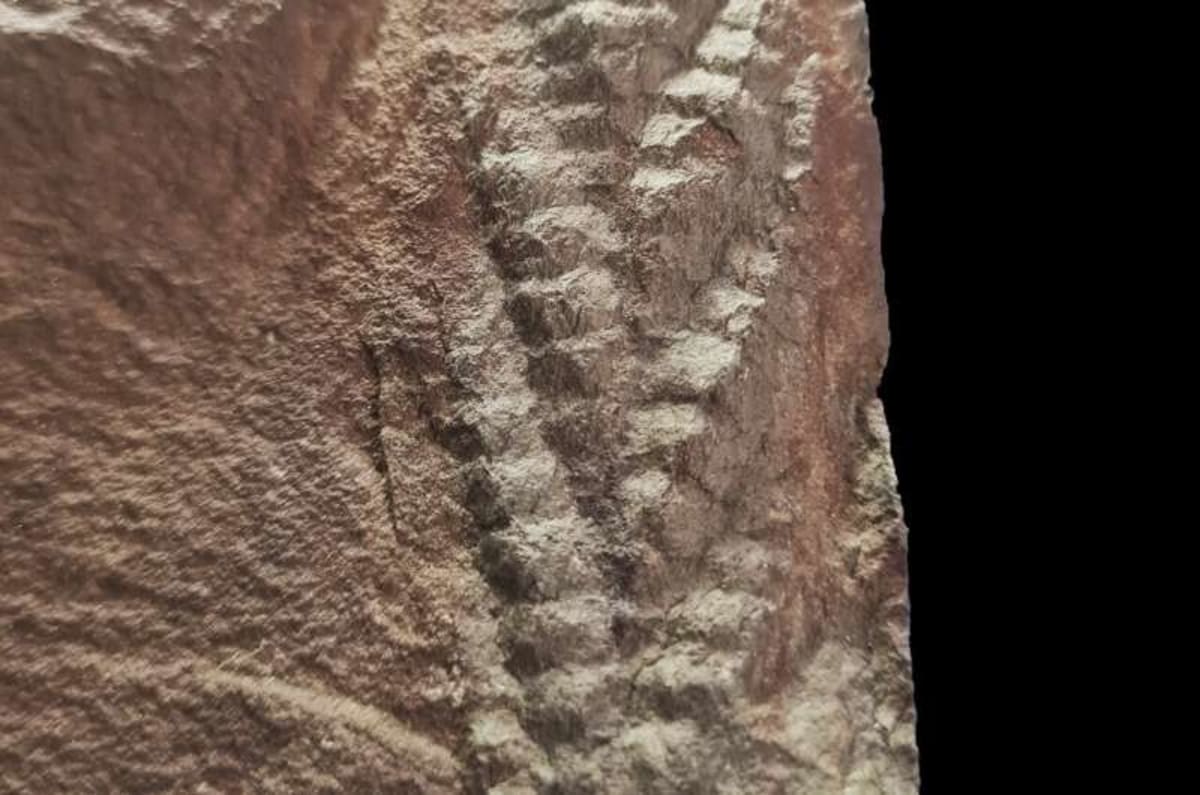
Researchers at the University of Washington just identified a new species called Cimolodon desosai, a tiny creature that lived 75 million years ago in what's now Baja California. This little survivor had two superpowers that would later save its descendants when an asteroid wiped out three-quarters of all life on Earth.
The fossil discovery happened almost by accident in 2009. Field assistant Michael de Sosa VI spotted a single tooth poking from a crack in the rock. When the team looked closer, they found something incredibly rare: not just teeth, but skull fragments, jaws, and even leg bones.
"If he had just found that tooth, I would have been over the moon," said lead researcher Gregory Wilson Mantilla. "But then we could see there was more bone." Most fossils from this time period only preserve teeth, making this find a scientific jackpot.
Advanced imaging revealed that C. desosai was about the size of a golden hamster. It probably scampered up trees and along the ground, munching on fruits and insects. That flexible diet and small body turned out to be winning traits.
Eleven million years after this little mammal lived, an asteroid slammed into Earth. The impact triggered fires, tsunamis, and a years-long winter that killed the dinosaurs. But C. desosai's descendants survived because they were small enough to hide and adaptable enough to eat whatever they could find.
The Ripple Effect
This discovery does more than fill in a blank spot on the prehistoric family tree. It shows how the traits that seem ordinary, like being small and eating various foods, can become lifesaving advantages when everything changes.
The multituberculate family that C. desosai belonged to went on to thrive for another 100 million years after the asteroid hit. They evolved into countless forms before eventually going extinct, but not before helping pave the way for the explosion of mammal diversity that followed.
The researchers named the species after de Sosa, who passed away while the team was still studying the fossil he discovered. "He was a great field assistant, and he was like a little brother to me," Wilson Mantilla said. "It's a great specimen to be associated with."
The tiny mammal that survived the age of giants reminds us that flexibility and resilience matter more than size when facing the unimaginable.
Based on reporting by Google: fossil discovery
This story was written by BrightWire based on verified news reports.
Spread the positivity!
Share this good news with someone who needs it