Search

Find uplifting stories about heroes, innovations, and solutions

468 results for "mammals"

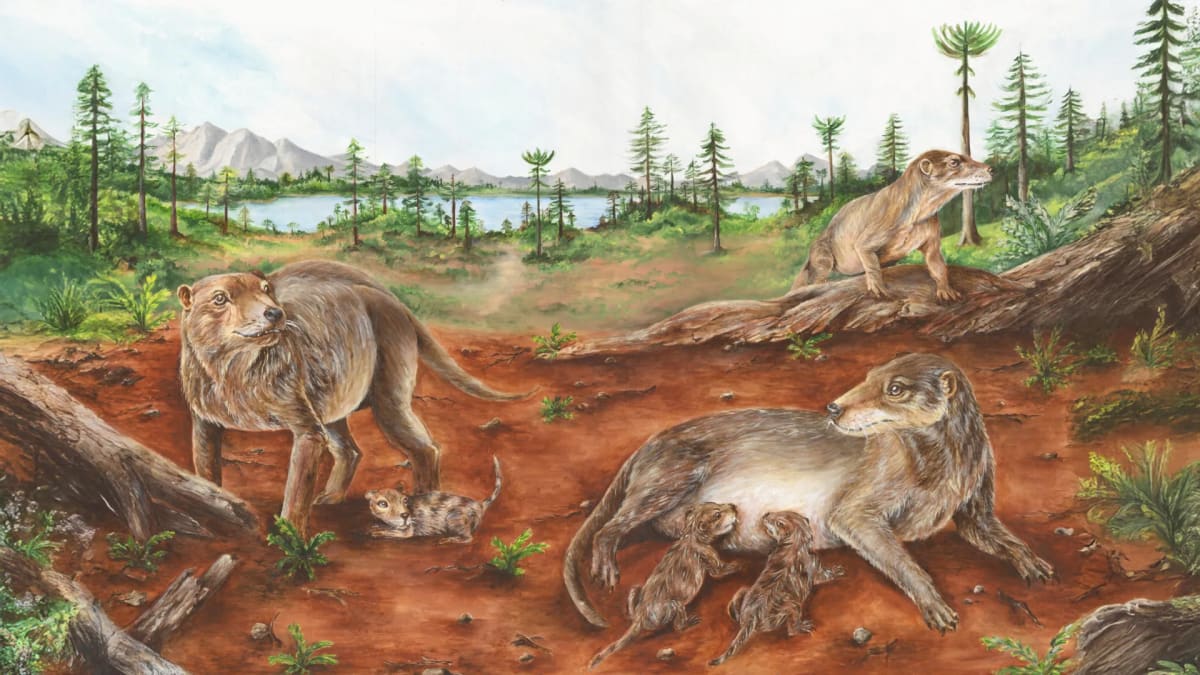
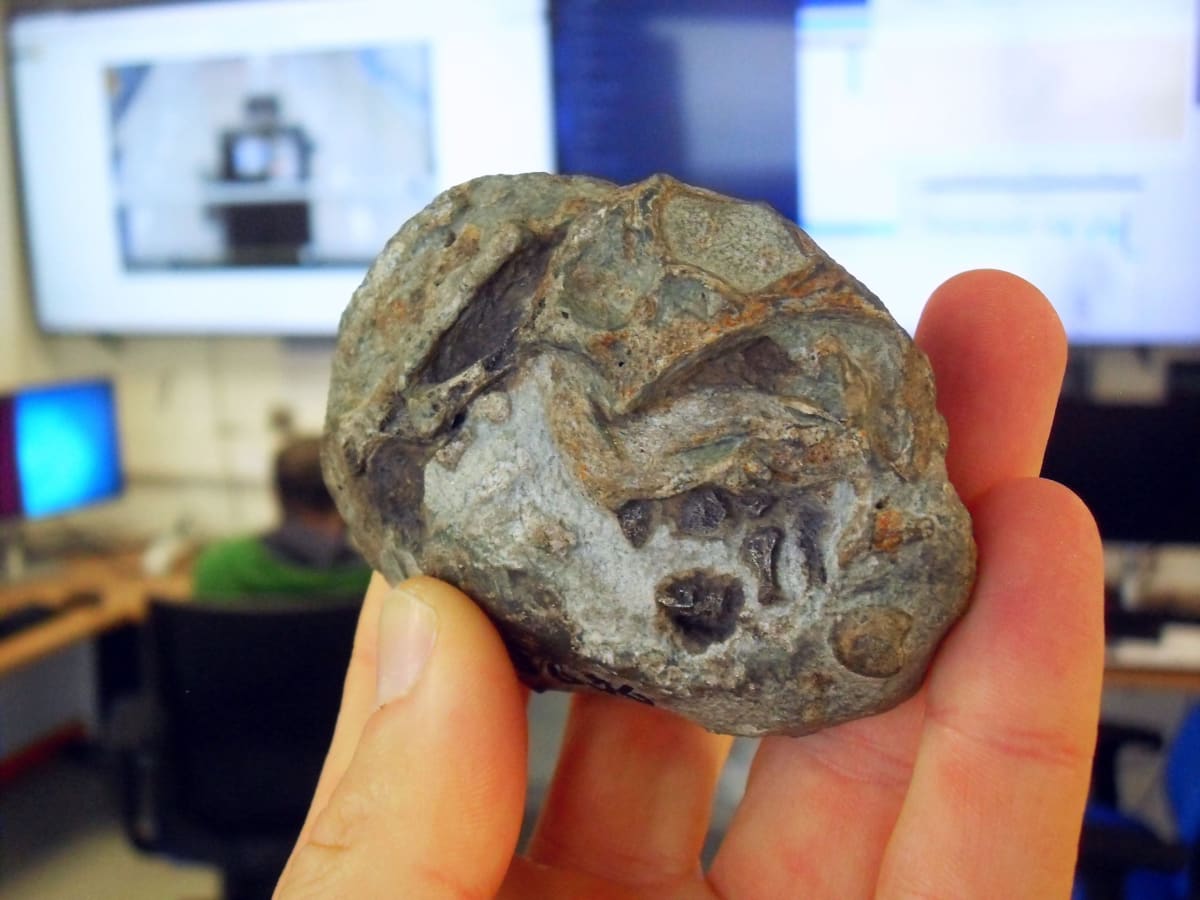
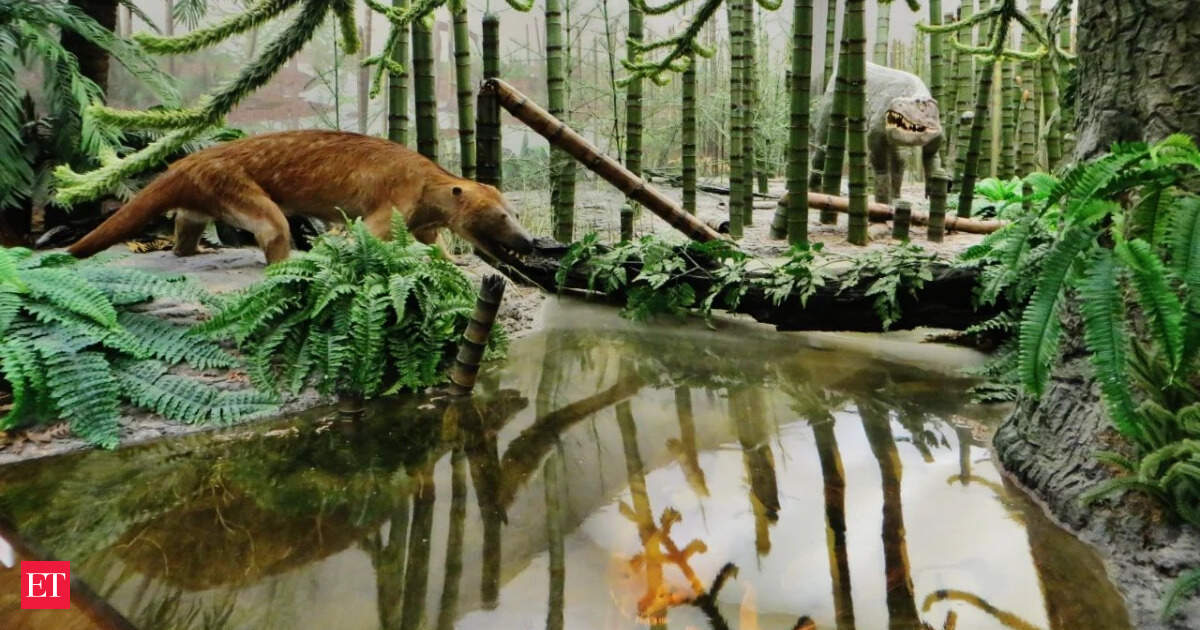
Hamster-Sized Mammal Survived Dinosaur Extinction
Planet WinsApr 27

Hamster-Sized Mammal Survived Dinosaur Extinction

Scientists discovered a 75-million-year-old fossil in Mexico that reveals how tiny mammals outlasted the asteroid that killed the dinosaurs. The finding shows how being small and eating anything helped our ancient relatives survive Earth's deadliest day.

Google: fossil discovery3 min read
250-Million-Year-Old Egg Solves Mammal Mystery
Planet WinsApr 10

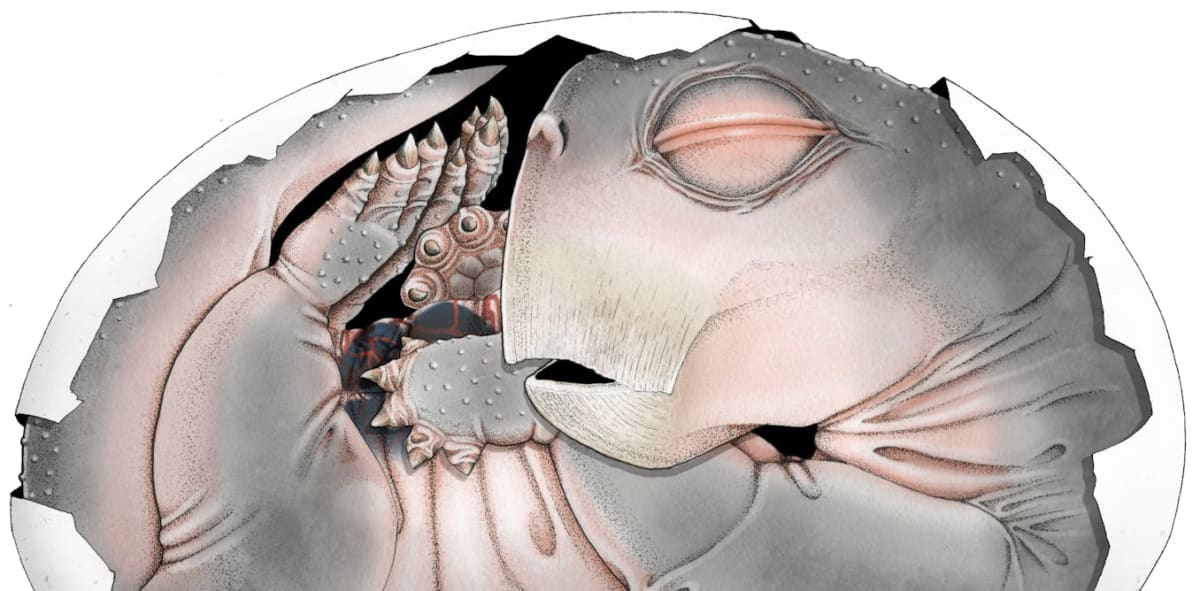
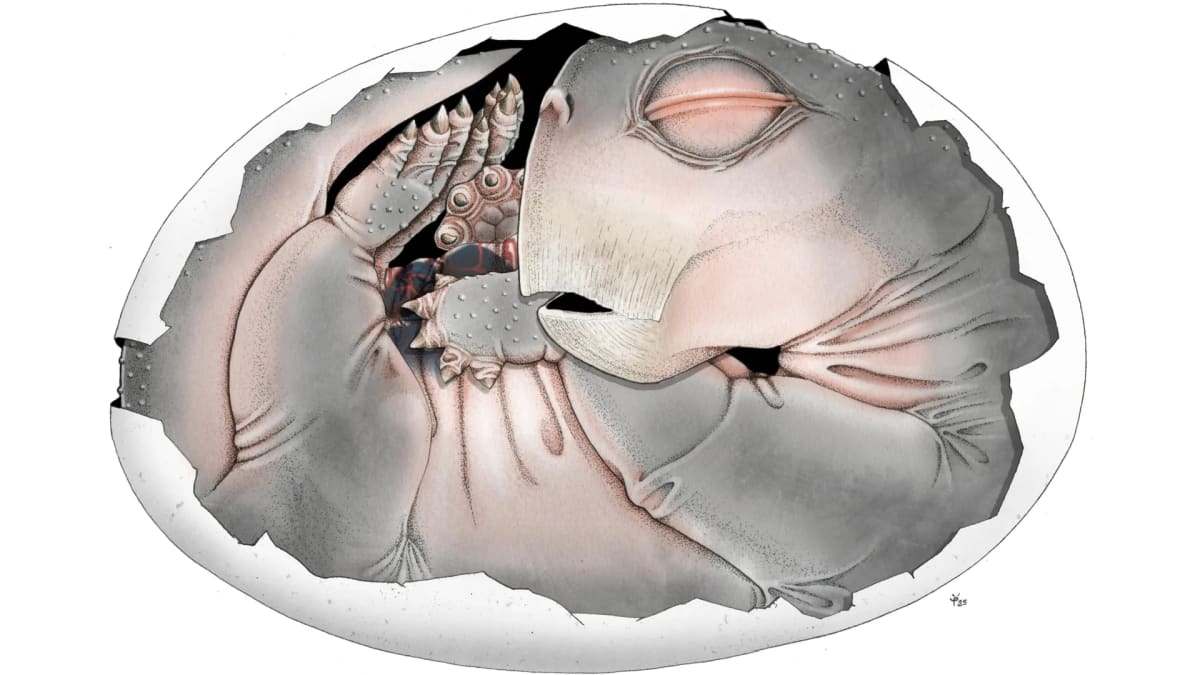
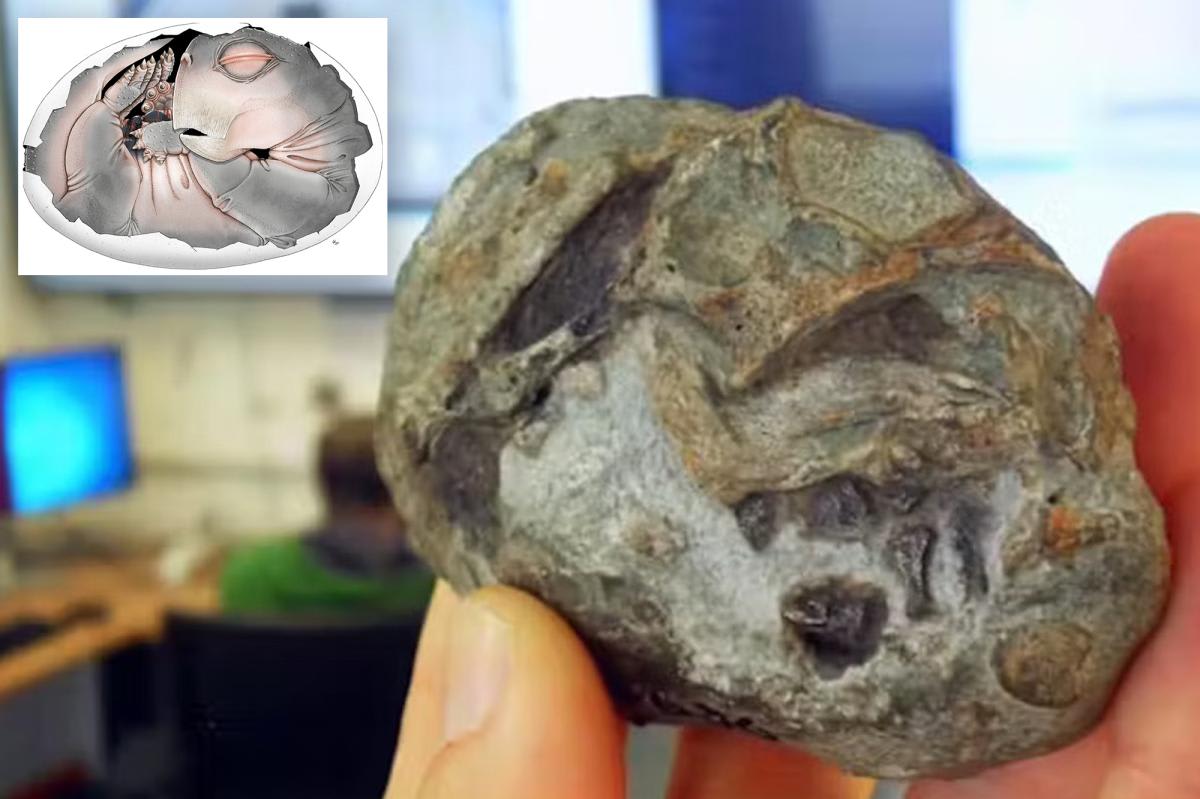
250-Million-Year-Old Egg Solves Mammal Mystery

Scientists just found the world's oldest proof that our mammal ancestors laid eggs, tucked away in a South African fossil for 20 years. The discovery reveals how a pig-like creature survived Earth's worst mass extinction.

Google News - Science3 min read
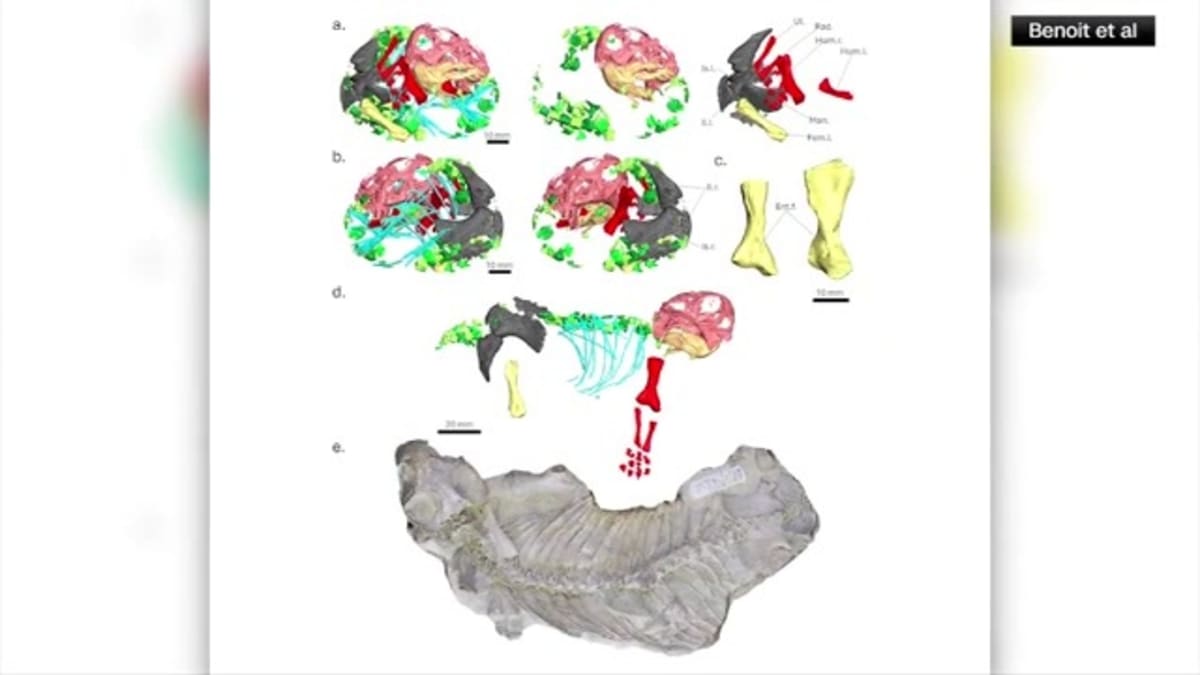
250-Million-Year-Old Egg Solves Mammal Evolution Mystery
InnovationApr 15

250-Million-Year-Old Egg Solves Mammal Evolution Mystery

Scientists just confirmed that our mammal ancestors laid eggs, thanks to a rare fossil preserving a curled-up embryo from 250 million years ago. The discovery explains how one tough creature survived Earth's deadliest extinction event.

Science Daily2 min read
Scientists ID Tiny Mammals by Footprints with 96% Accuracy
InnovationJan 27

Scientists ID Tiny Mammals by Footprints with 96% Accuracy

Researchers developed a breakthrough tracking method that identifies near-identical small mammal species by their footprints alone, achieving 96% accuracy. The non-invasive technology could transform how we monitor ecosystem health across the planet.

Phys.org3 min read
250-Million-Year-Old Fossil Reveals Mammal Egg Mystery
InnovationApr 16

250-Million-Year-Old Fossil Reveals Mammal Egg Mystery

Scientists have discovered the first proof that our ancient mammal ancestors laid eggs, solving a mystery that's puzzled researchers for generations. The fossil also explains how these creatures survived Earth's deadliest mass extinction.

Google: fossil discovery2 min read
Ancient Egg Fossil Shows How Mammals Survived Extinction
InnovationApr 13

Ancient Egg Fossil Shows How Mammals Survived Extinction

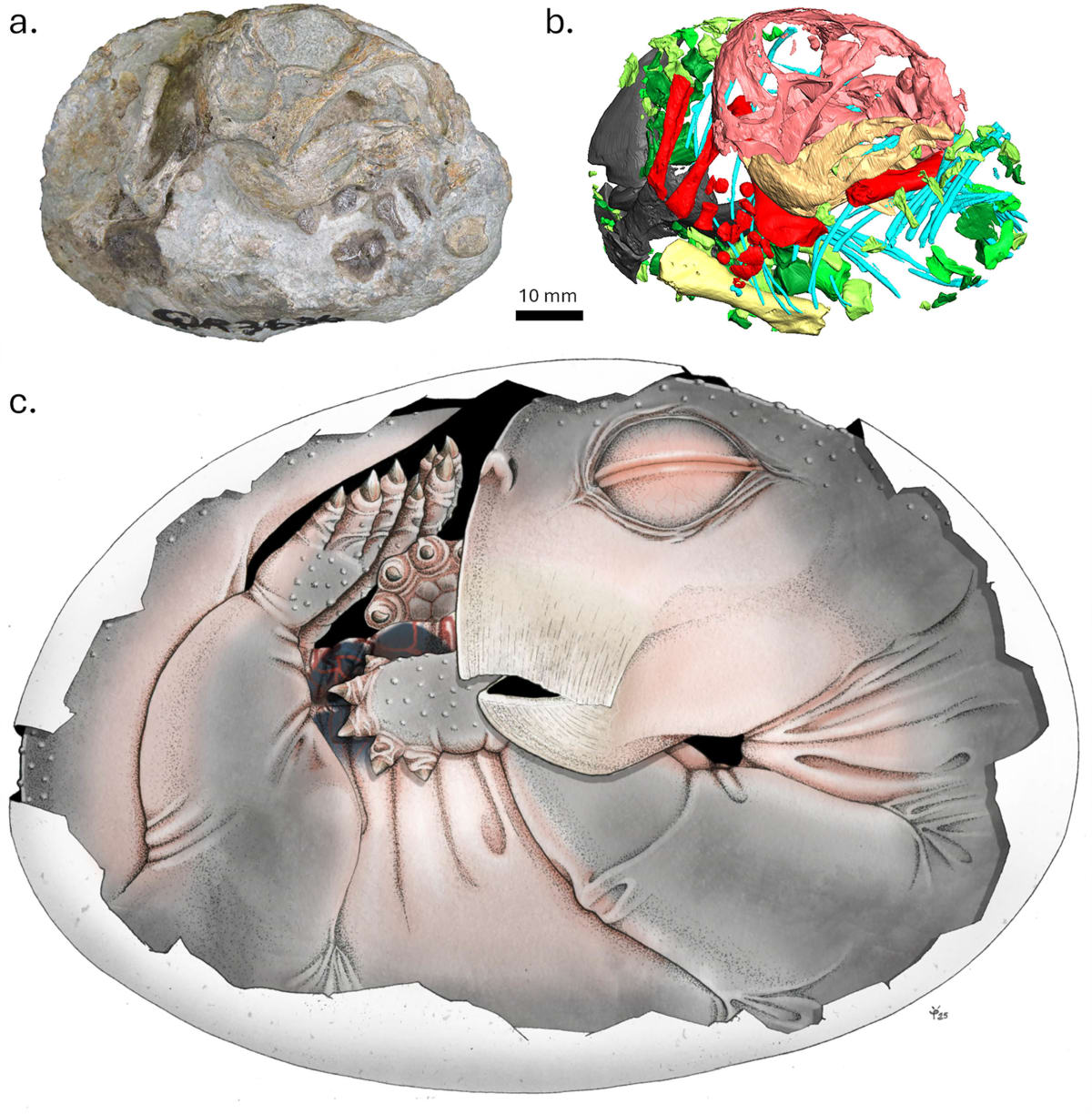
Scientists discovered a 252-million-year-old fossilized embryo in South Africa that proves our mammal ancestors laid eggs and reveals how they survived Earth's worst mass extinction. The find marks the first confirmed evidence of egg-laying in therapsids, the prehistoric creatures that gave rise to modern mammals.

Google: fossil discovery2 min read
Scientists Find First-Ever Egg of Ancient Mammal Ancestor
InnovationApr 11

Scientists Find First-Ever Egg of Ancient Mammal Ancestor

Researchers discovered the first confirmed egg from a mammal ancestor, solving a 200-year mystery about how these ancient creatures reproduced. The fossil shows how one tough species survived Earth's worst extinction and paved the way for all mammals today.

Google: fossil discovery3 min read
Freshman's First Fossil Hunt Discovers New Mammal Species
InnovationMay 25

Freshman's First Fossil Hunt Discovers New Mammal Species

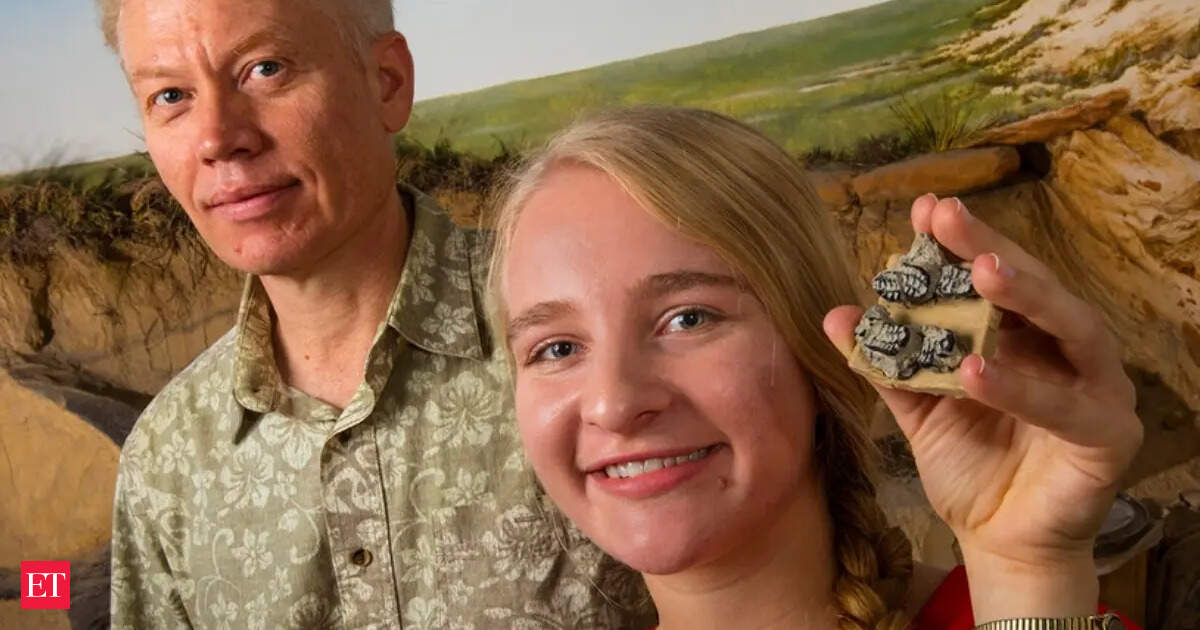
A first-year college student on her very first fossil hunt in New Mexico discovered a mammal species unknown to science. The find proved that even well-studied sites can still reveal ancient secrets.

Google: fossil discovery2 min read
Scientists Unlock Limb Regrowth in Mammals for First Time
InnovationMay 16

Scientists Unlock Limb Regrowth in Mammals for First Time

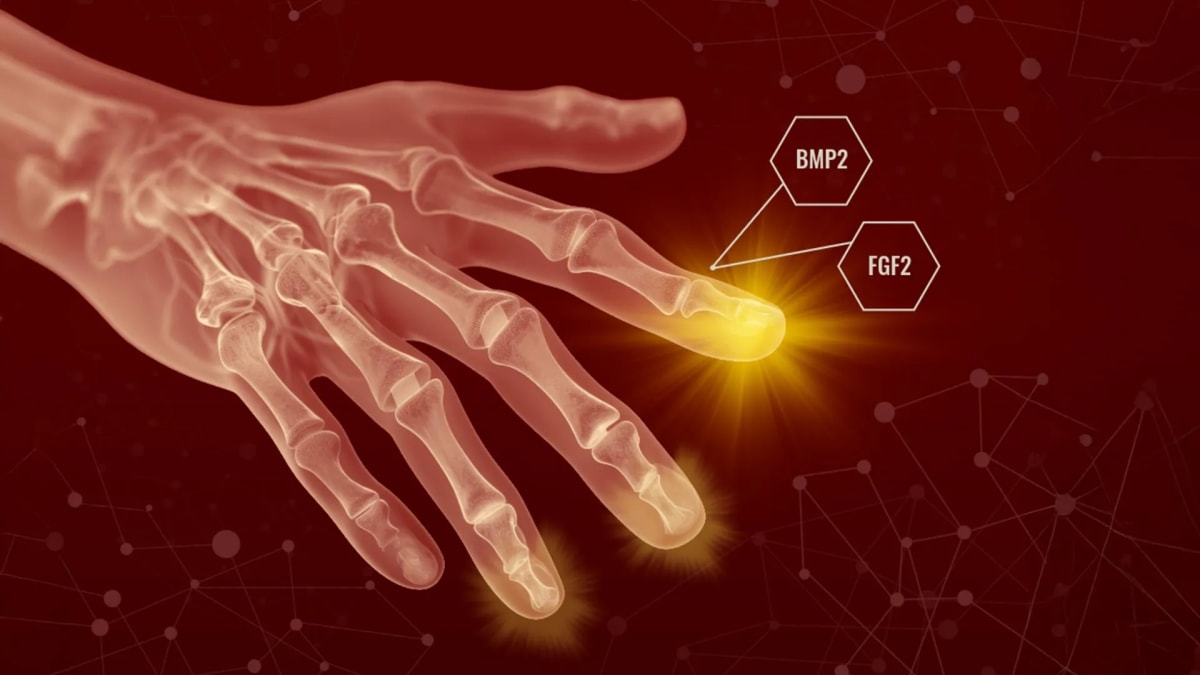
Texas researchers have discovered how to trigger limb regeneration in mammals by activating a dormant ability that's been hidden inside us all along. The breakthrough could transform how we heal from traumatic injuries.

Futurism2 min read
Scientists Unlock Hidden Regeneration Powers in Mammals
Health & WellnessJun 18

Scientists Unlock Hidden Regeneration Powers in Mammals

Texas researchers have discovered mammals may not have lost the ability to regrow body parts after all. A two-step treatment successfully restored bone, joints, and tendons in animal studies by redirecting healing away from scar tissue.

Google News - Science2 min read
Lawsuit Pushes US to Protect 650,000 Marine Mammals Yearly
SolutionsMay 23

Lawsuit Pushes US to Protect 650,000 Marine Mammals Yearly

Environmental groups just sued the federal government to finally enforce a 52-year-old law protecting whales and dolphins from deadly fishing gear worldwide. The move could save hundreds of thousands of marine mammals killed each year in fishing nets meant for seafood sold to Americans.

Inside Climate News3 min read
250-Million-Year-Old Egg Solves Ancient Mammal Mystery
Planet WinsApr 10

250-Million-Year-Old Egg Solves Ancient Mammal Mystery

Scientists in South Africa discovered the oldest embryo fossil ever found, proving our mammal ancestors laid eggs 250 million years ago. The tiny creature inside reveals survival secrets from Earth's deadliest extinction event.

Google: fossil discovery2 min read
250-Million-Year-Old Egg Reveals Mammal Ancestor Secrets
InnovationApr 17

250-Million-Year-Old Egg Reveals Mammal Ancestor Secrets

Scientists discovered the first confirmed egg from a mammal ancestor, solving a mystery about how tough little Lystrosaurus survived Earth's worst extinction event. The 250-million-year-old fossil shows these creatures laid large, soft-shelled eggs that helped their babies thrive in brutal conditions.

Google: fossil discovery2 min read
1-Centimeter Fossil Found in Gobi Desert Stuns Scientists
Global NewsMar 20

1-Centimeter Fossil Found in Gobi Desert Stuns Scientists

Scientists discovered a perfectly preserved mammal fossil the size of a fingernail in Mongolia's Gobi Desert, offering a rare glimpse into life 75 million years ago. The tiny skeleton survived alongside dinosaurs and could help explain how mammals adapted to extreme climate change.

Google: fossil discovery2 min read
Scientists Create Universal Aging Clock Across All Mammals
Health & WellnessMay 28

Scientists Create Universal Aging Clock Across All Mammals

Researchers discovered biological aging markers shared by humans, mice, rats, and monkeys, opening doors to treatments that could extend human lifespan. The team built a free online tool so scientists worldwide can test anti-aging therapies faster.

Scientific American3 min read
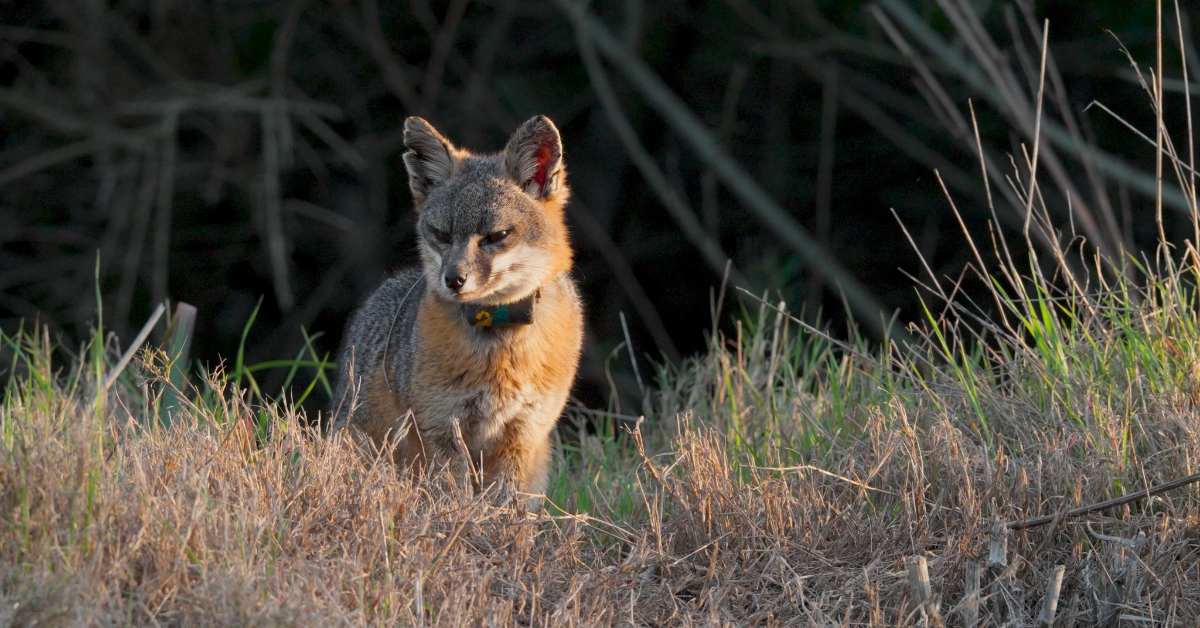
Catalina Island Fox: Fastest Mammal Recovery in U.S. History
Planet WinsMay 20

Catalina Island Fox: Fastest Mammal Recovery in U.S. History

A tiny fox species dropped from 1,300 to just 100 animals in one year after a deadly virus hit their island home. Two decades of determined conservation work pulled them back from the brink in record time.

Google News - Endangered Species Recovery2 min read
Sea Lion Outsmarts Fisherman, Steals First Tuna Catch
Acts of KindnessJun 22

Sea Lion Outsmarts Fisherman, Steals First Tuna Catch

A fisherman's first yellowfin tuna turned into a viral lesson about nature's opportunistic side when a crafty sea lion nabbed the catch right off the boat. The video showcases the intelligent behavior scientists call "depredation," where marine mammals have learned to associate fishing boats with easy meals.

Fox News Latest Headlines (all sections)2 min read
Scientists Create 3D Vaquita Archive to Save Tiny Porpoise
Planet WinsJun 17

Scientists Create 3D Vaquita Archive to Save Tiny Porpoise

Researchers have digitally preserved the world's most endangered marine mammal using advanced scanning technology. The detailed 3D models of a rare vaquita skeleton are now freely available online to inspire conservation efforts.

Science Daily2 min read
Singapore Resort Ends Wild Dolphin Sourcing Program
Planet WinsApr 23

Singapore Resort Ends Wild Dolphin Sourcing Program

Singapore's Resorts World Sentosa is stopping its wild dolphin sourcing and breeding program, marking a major shift in how the tourism industry treats marine mammals. Animal welfare advocates are calling it a positive step forward, though questions remain about the future of dolphins already in captivity.

Mongabay2 min read
Scientists Discover Why Humans Are Awake During the Day
Health & WellnessFeb 28

Scientists Discover Why Humans Are Awake During the Day

Researchers finally solved a mystery millions of years in the making: why humans evolved to be awake during the day while most early mammals were nocturnal. The answer lies in tiny cellular switches that respond differently to daily temperature changes.

Phys.org2 min read

Showing 20 of 468