260 Volunteers Restore 20,000 Oysters to Portsmouth Waters
Over 260 volunteers gathered at Portsmouth's Chichester Harbor to deploy 20,000 native oysters in the UK's largest underwater reef restoration project. The effort reconnects the region with centuries of maritime heritage while rebuilding a vital ecosystem.
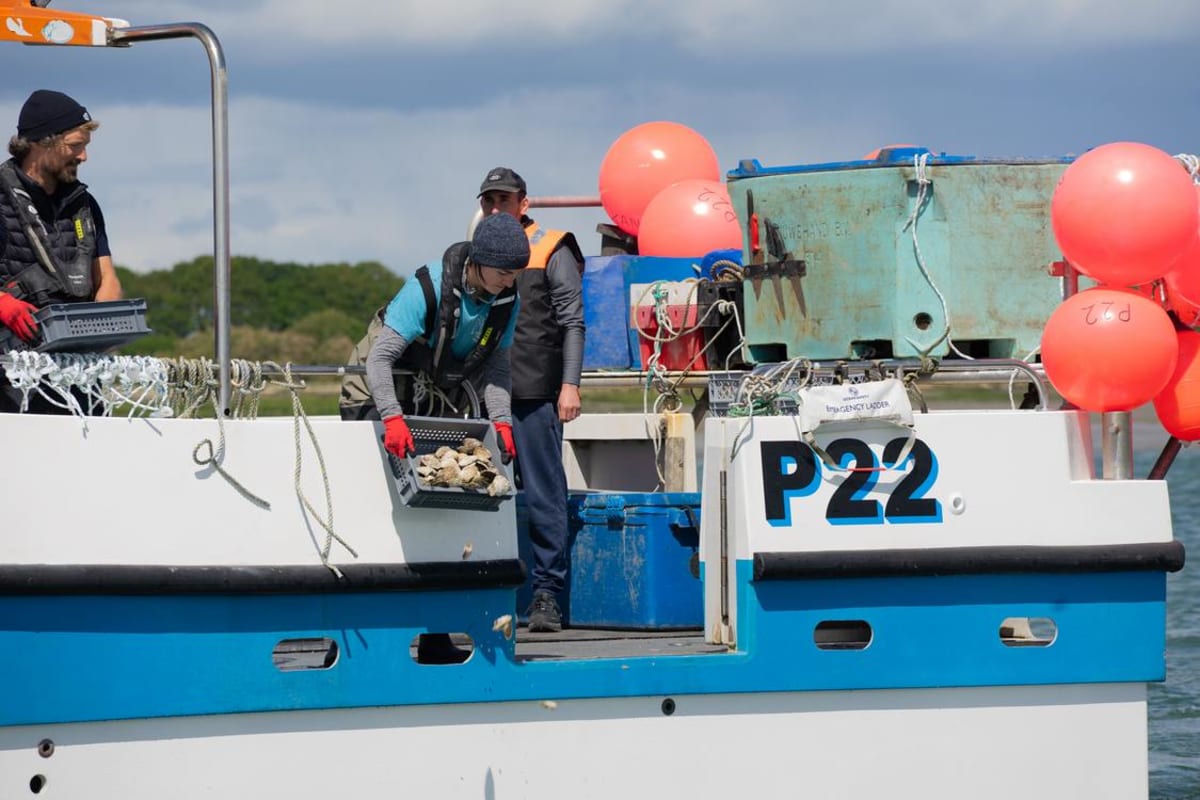
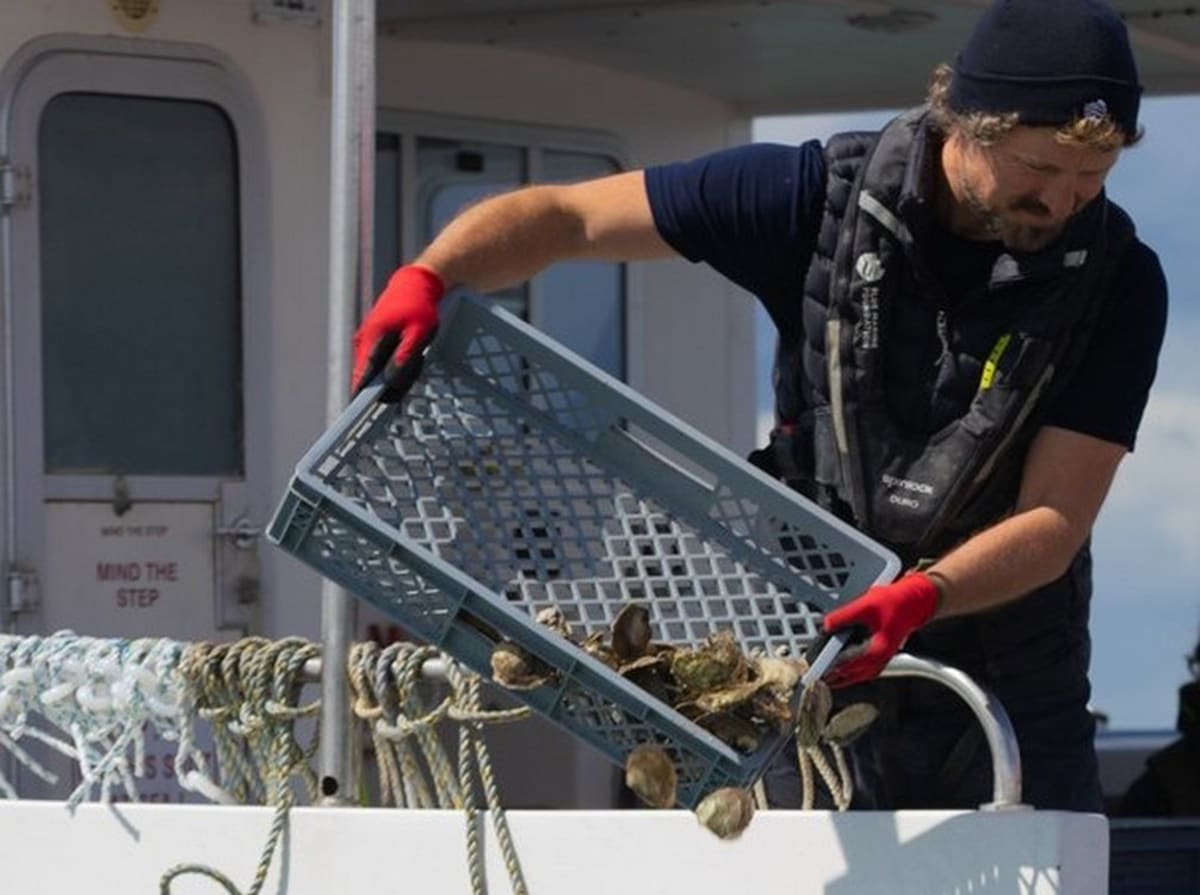
Last week, 260 people showed up to give 20,000 oysters a new home in the waters off Portsmouth, England, marking the largest underwater oyster reef restoration in UK history.
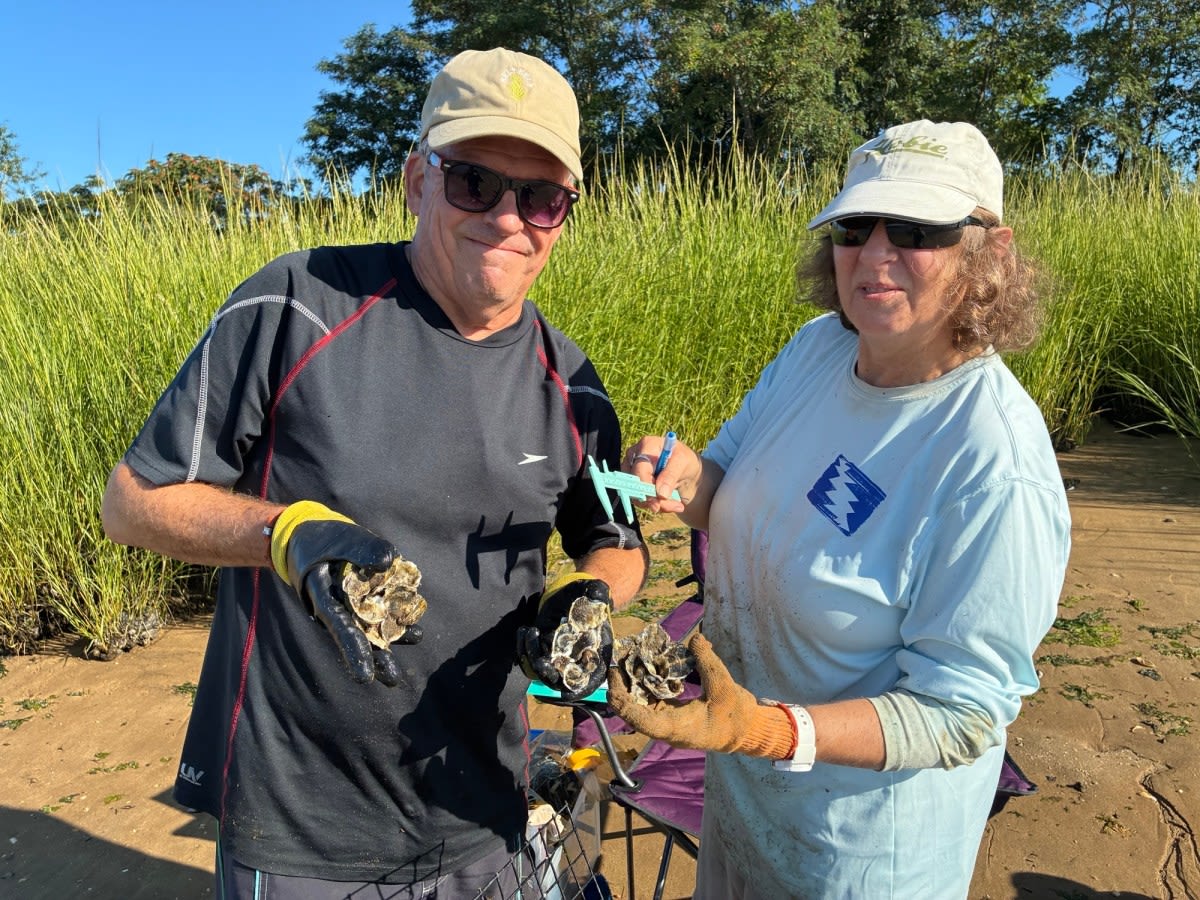
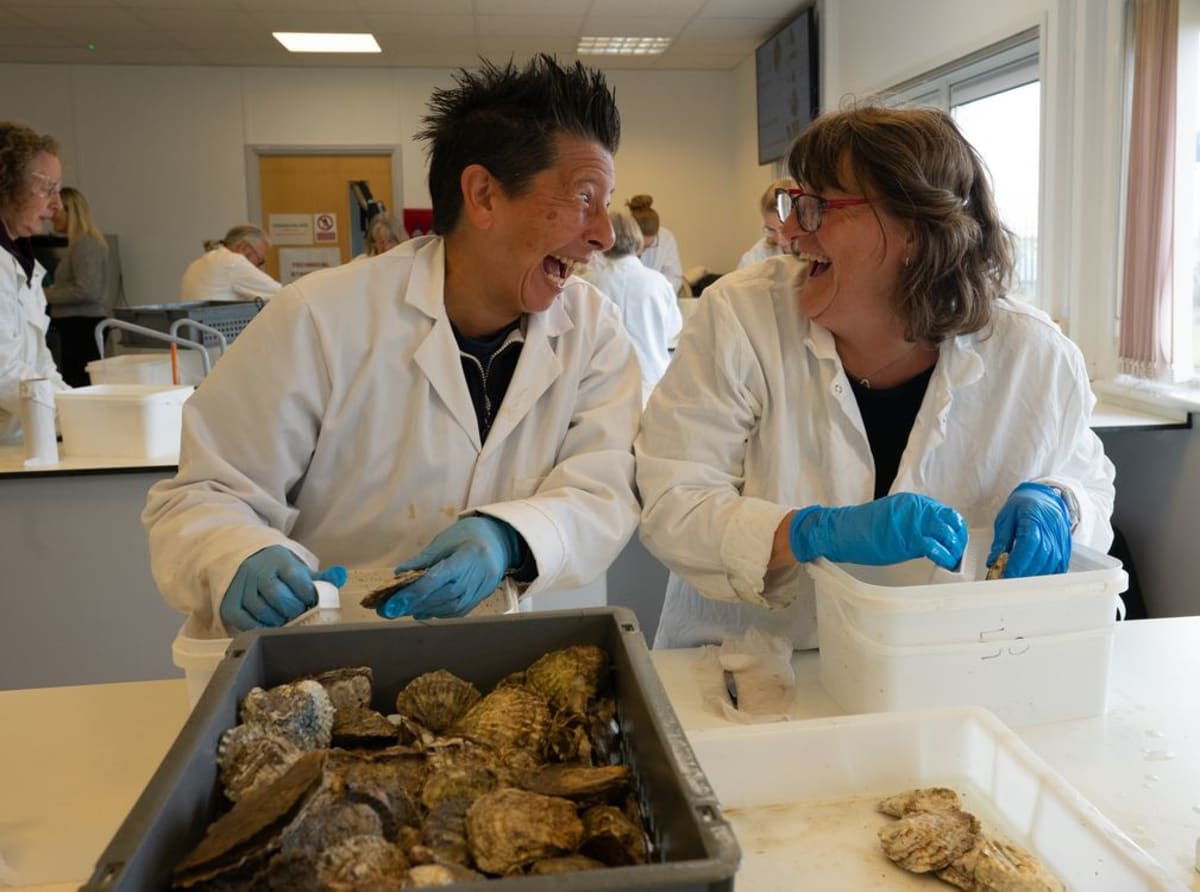
The volunteers gathered at Chichester Harbor to carefully clean and check each oyster before deployment. Scientists from the University of Portsmouth led biosecurity procedures to ensure the oysters were healthy and ready for their new habitat.
Native oysters thrived along the Solent coast for centuries. Romans harvested them from these same waters, and coastal communities built livelihoods around the oyster beds for generations. But over the last hundred years, populations collapsed, taking an important piece of regional identity with them.
The project combines conservation with cultural revival. "Native oysters were once abundant across the Solent, but populations have collapsed over the last century," said Dr. Luke Helmer from the Solent Seascape Project. "By restoring oyster reefs at this scale, we're helping rebuild an ecosystem that supports biodiversity, improves water quality, and benefits coastal communities."
These oysters work hard for their environment. A single oyster filters up to 44 gallons of water daily, naturally improving water quality. The reefs they create become homes for hundreds of marine species while protecting shorelines from erosion.
The Ripple Effect
This restoration doesn't stop at cleaner water. The project shows what's possible when communities rally around environmental recovery. Earlier this year, the same coalition organized volunteers to plant 120,000 seagrass seeds near the Hamble River. Those plants have already created a saltmarsh the size of a soccer field.
The community contributed more than 700 volunteer hours just collecting seagrass seeds. "What's especially exciting is the scale of public support behind this effort," said Dr. Helmer. "Having hundreds of volunteers directly involved shows how strongly people want to be part of restoring our seas."
The restoration is led by Blue Marine Foundation, Chichester Harbor Conservancy, and the University of Portsmouth's Institute of Marine Sciences as part of the Solent Seascape Project. Their work proves that bringing back what was lost isn't just possible—it's happening right now, one oyster at a time.
When hundreds of people spend their weekend preparing oysters for the sea, that's not just conservation—that's love for the water bringing a community together.
More Images


Based on reporting by Good News Network
This story was written by BrightWire based on verified news reports.
Spread the positivity!
Share this good news with someone who needs it