27 States Push DIY Solar Panels That Plug Into Any Outlet
A mom in the Bronx just plugged a $400 solar panel into her wall outlet and started generating her own power. Now lawmakers in 27 states want to make these game-changing balcony systems legal for everyone.
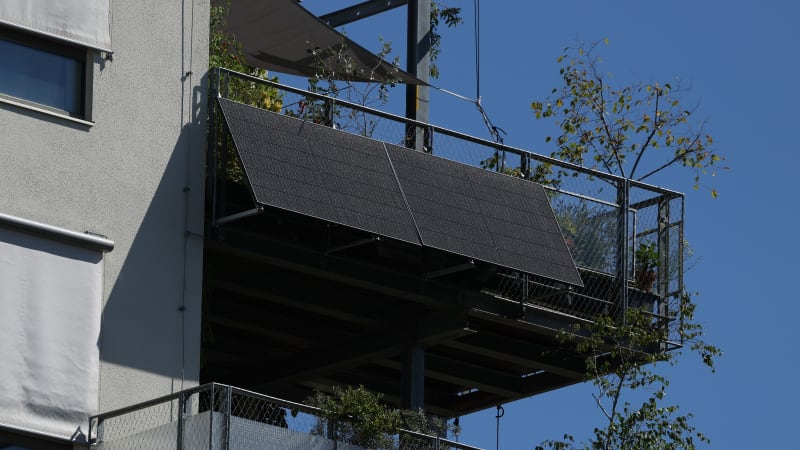
Lauren Phillips transformed her Bronx balcony into a tiny power plant with nothing more than zip ties and a wall outlet. The attorney and mom of two installed what may be the first plug-and-play solar panel in her borough, and it's already cutting her family's electricity use by up to 20 percent.
The 220-watt panel, which nonprofit Bright Saver gave her for free, will save Phillips about $100 each year. "I have an enormous childcare bill every month. My electricity bills never go anything but up," she said. "This is just a thing that I plugged in, and I'm generating my own power."
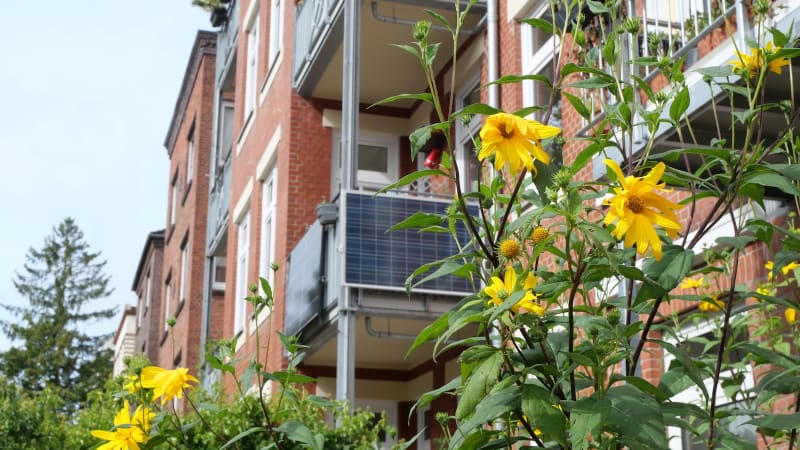
Phillips is part of a small but growing movement taking advantage of a regulatory gray area. These plug-in solar systems work exactly like they sound: you secure them to a balcony railing, plug them into a standard outlet, and start producing clean electricity immediately.
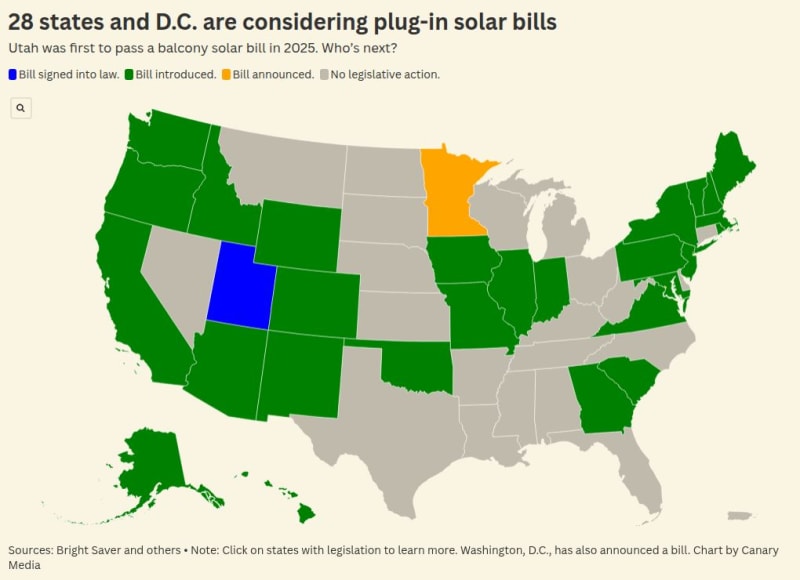
Only Utah currently allows these systems without special permission from utilities. But that's changing fast. As of this week, lawmakers in 27 states and Washington, D.C., have introduced bills to make plug-and-play solar legal.
The bipartisan support is remarkable. Republican Mark Matthiesen in Missouri and Democrat Emily Gallagher in New York both see the same benefit: putting power back in people's hands when utility bills keep climbing. "If people can buy something to invest in themselves, to save them money down the road, then we as a government just need to let people do that," Matthiesen said.
The economics make sense. An 800-watt system costs about $1,099 and can power a fridge or several small appliances during sunny hours. In New York, that could save households $279 per year, rising to $327 by 2035 as electricity costs increase.
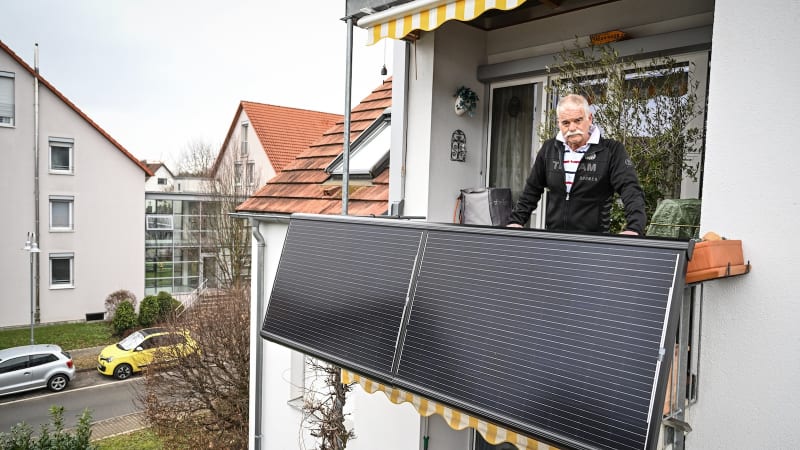
The tech has already exploded in Europe. Four million German households have installed balcony solar panels, many ordered through Ikea. The systems are safe, affordable, and simple enough for renters to install themselves.
Right now, most U.S. utilities require lengthy interconnection agreements before people can plug in solar, even small systems. The new state bills would eliminate that requirement for panels certified safe by testing laboratories. UL Solutions launched its first testing protocol in January.
The Ripple Effect
This isn't just about individual savings. Making clean energy accessible to renters and people who can't afford rooftop installations democratizes power in both senses of the word. When a single mom in the Bronx can produce her own electricity for a few hundred dollars, the entire energy landscape shifts.
The bills cap systems at 1,200 watts, about one-sixth the size of typical rooftop arrays. Because they're so modest, home appliances quickly use all the power they generate. Advocates say safety concerns about overwhelming the grid ignore basic physics.
Bright Saver co-founder Cora Stryker said momentum is building faster than anyone expected. Some legislators introduced bills spontaneously after hearing from constituents. A few states even saw multiple lawmakers file competing plug-in solar proposals independently.
Phillips knows her installation might be "an act of solar civil disobedience," but she doesn't regret it. Every time she looks at her balcony panel, she feels amazed and empowered.
More Images

Based on reporting by Grist
This story was written by BrightWire based on verified news reports.
Spread the positivity!
Share this good news with someone who needs it