3,500-Year-Old Well Shows Bronze Age Climate Smarts
Archaeologists near Gloucester discovered a perfectly preserved wooden well from 3,500 years ago, revealing how Bronze Age communities adapted to climate warming. The rare find shows ancient ingenuity in action.
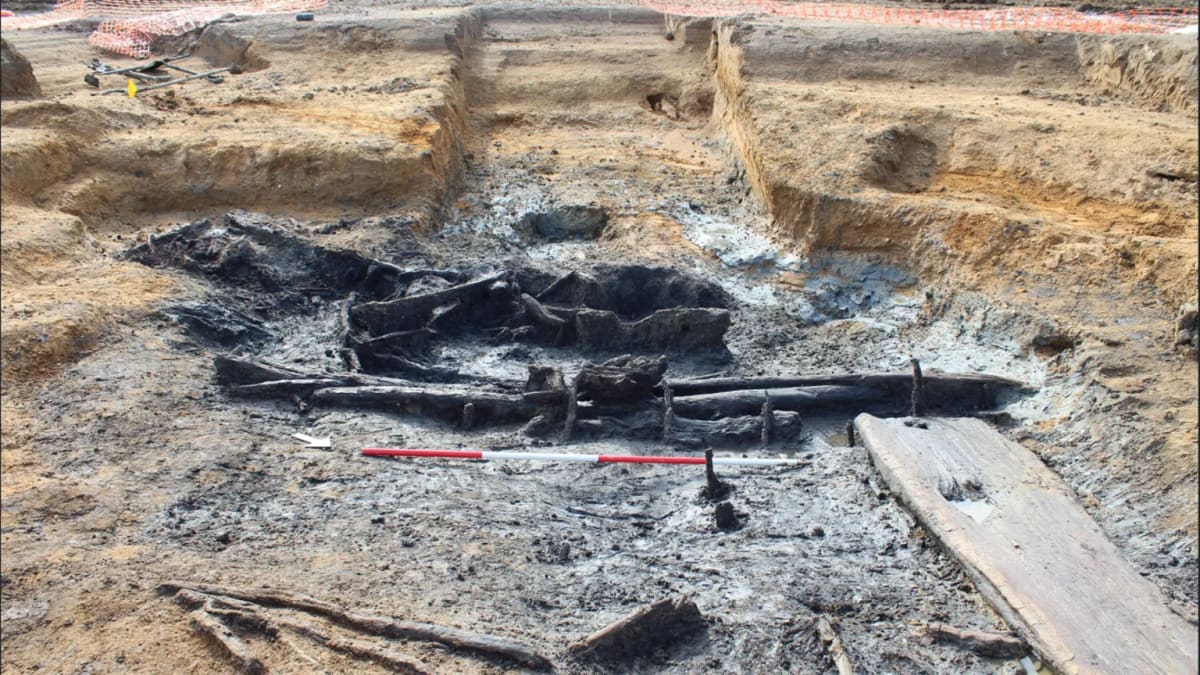
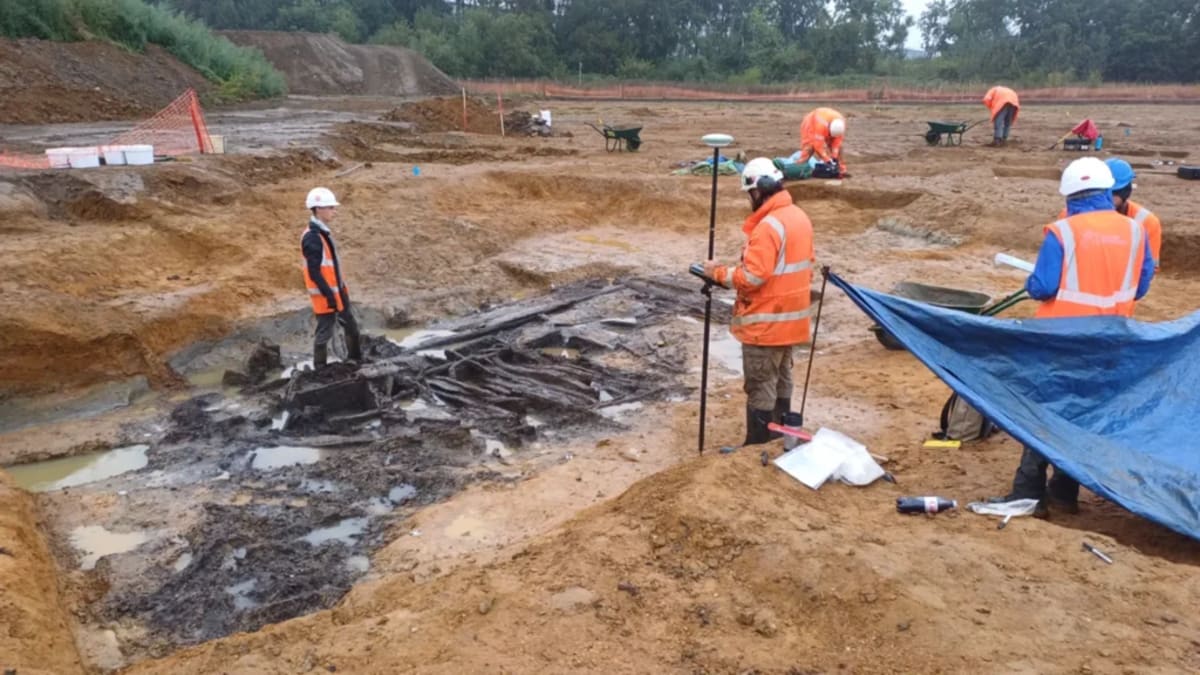
When developers started digging south of Gloucester for a housing project, they had no idea they'd uncover a 3,500-year-old lesson in human adaptation. Hidden beneath the waterlogged soil lay a wooden well so well-preserved that archaeologists could still see the careful craftsmanship of Bronze Age builders.
The discovery is exceptionally rare. Wood almost never survives for thousands of years, but this well got lucky in the best possible way.
"We don't often encounter wooden structures of this age in such a complete state," said Paolo Guarino, post-excavation manager at Cotswold Archaeology. The waterlogged soil acted like a time capsule, sealing the timber away from oxygen and decay.
The well itself tells a story of careful engineering. Bronze Age builders created a platform from fitted planks and rounded beams at ground level. From there, they built a wooden ladder descending into a chamber where water could be collected and stored.
But here's the puzzle: the region today is rich with streams and rivers. Why go to all this trouble?
Why This Inspires
The answer reveals just how resourceful ancient communities were. Pollen analysis from the site shows the Middle Bronze Age brought a warming period to the region, making water sources less reliable than they appear today.
These communities weren't just surviving climate shifts. They were actively solving problems, building infrastructure to ensure stable water supplies near their settlements. Similar wells have been found across Britain, showing this wasn't a one-off solution but a widespread adaptation strategy.
"We are beginning to see that these communities were far more responsive to climate fluctuations than we once assumed," Guarino explained. They were reading their environment and responding with practical ingenuity.
There's a beautiful irony to the well's survival. The same rising groundwater that may have made the well unnecessary centuries later created the oxygen-poor conditions that preserved it for modern discovery.
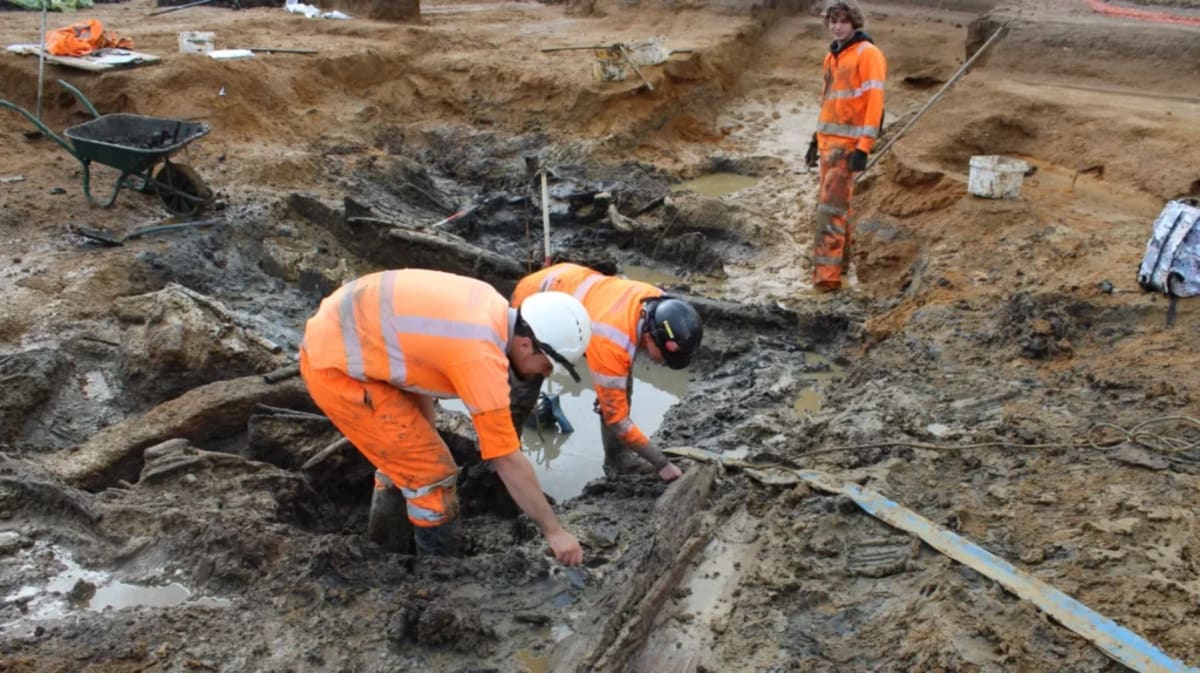
The recovered timbers are now undergoing detailed analysis, with some pieces selected for long-term conservation. The discovery adds an entirely new chapter to Gloucester's history, already famous for Roman and Anglo-Saxon heritage, and may inspire further investigations into prehistoric settlements.
This ancient well reminds us that humans have always been problem-solvers, adapting to their changing world with creativity and determination.
More Images
Based on reporting by Google: archaeological discovery
This story was written by BrightWire based on verified news reports.
Spread the positivity!
Share this good news with someone who needs it