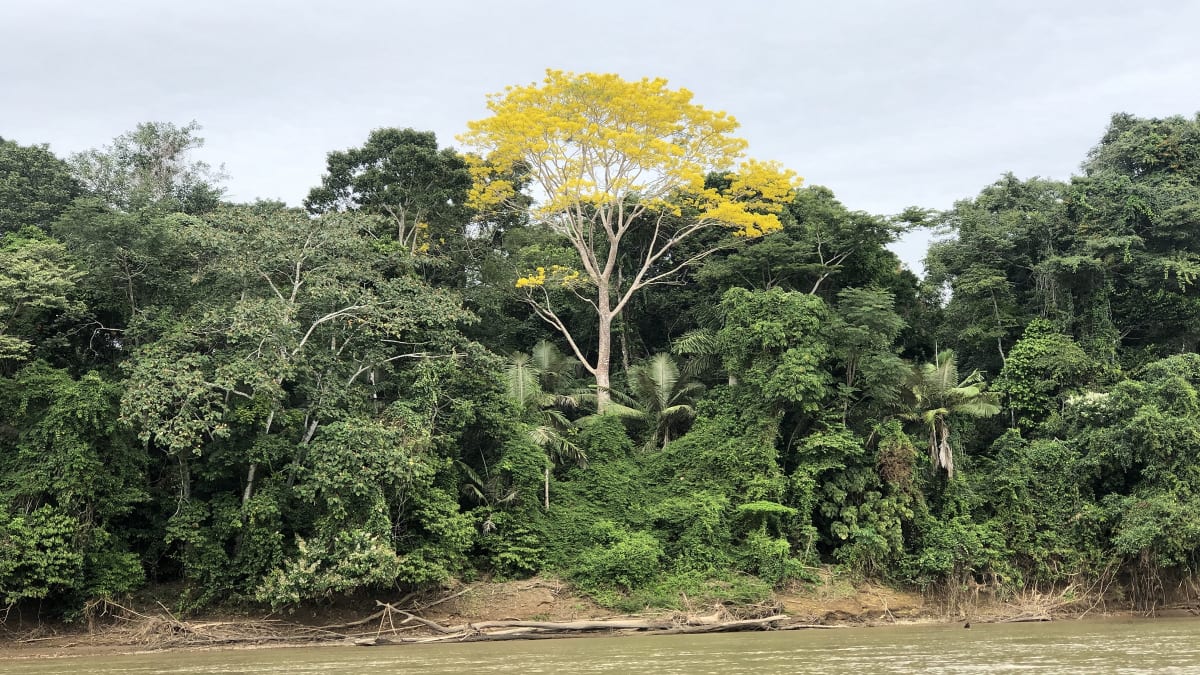
36% of Amazon Rainforest Thriving Despite Droughts
Scientists discovered that more than a third of the Amazon rainforest is actually resisting severe droughts and even growing stronger. These wetland forests could protect wildlife and combat climate change as other areas face threats.
While headlines warn of the Amazon's collapse, researcher Flávia Costa just discovered something remarkable: more than a third of the world's largest rainforest is thriving despite record droughts.
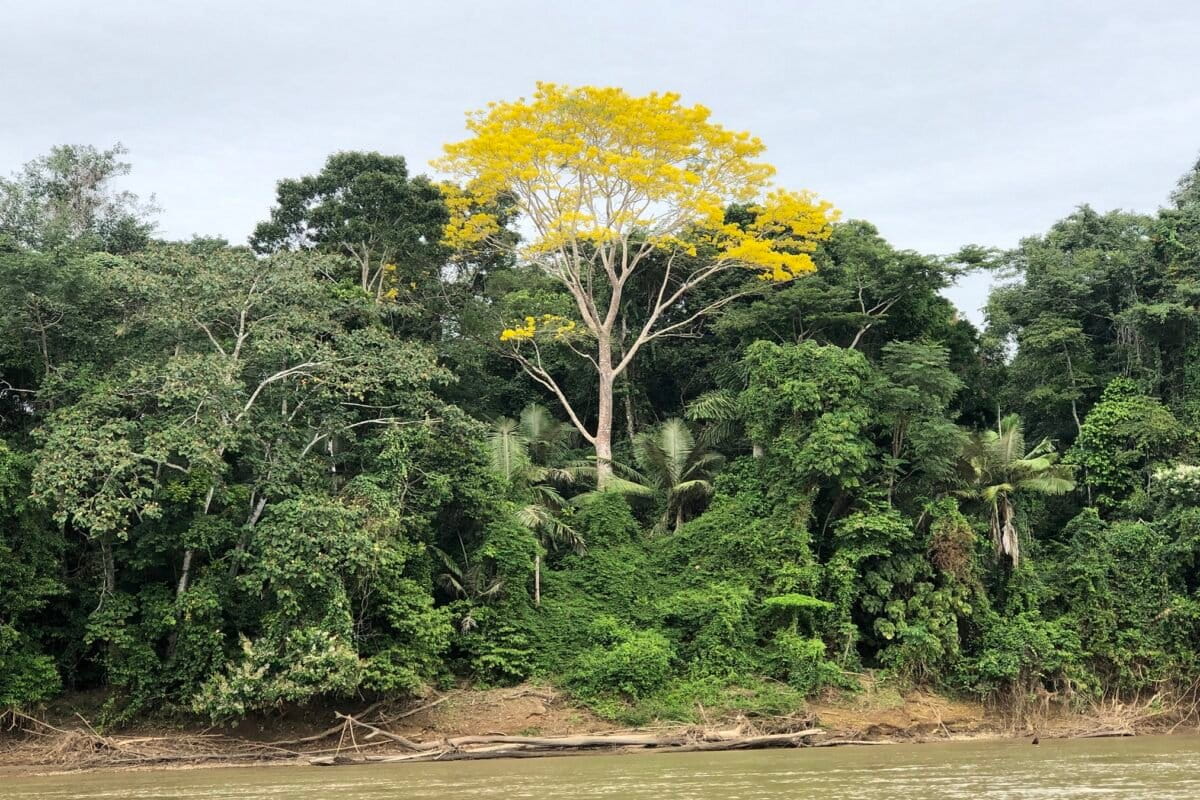
Costa and her team spent two decades studying wetland forests in the Brazilian Amazon, areas that sit above shallow water tables. What they found challenges everything scientists thought they knew about the rainforest's future.
These wetland forests, which make up 36% of the entire Amazon, didn't just survive the devastating droughts of 2010 and 2015-16. They actually grew stronger, adding biomass while trees in drier upland areas withered and died.
The secret lies underground. When rain disappears above, these wetland trees tap into water reserves below, allowing palm species and other wetland vegetation to keep flourishing.
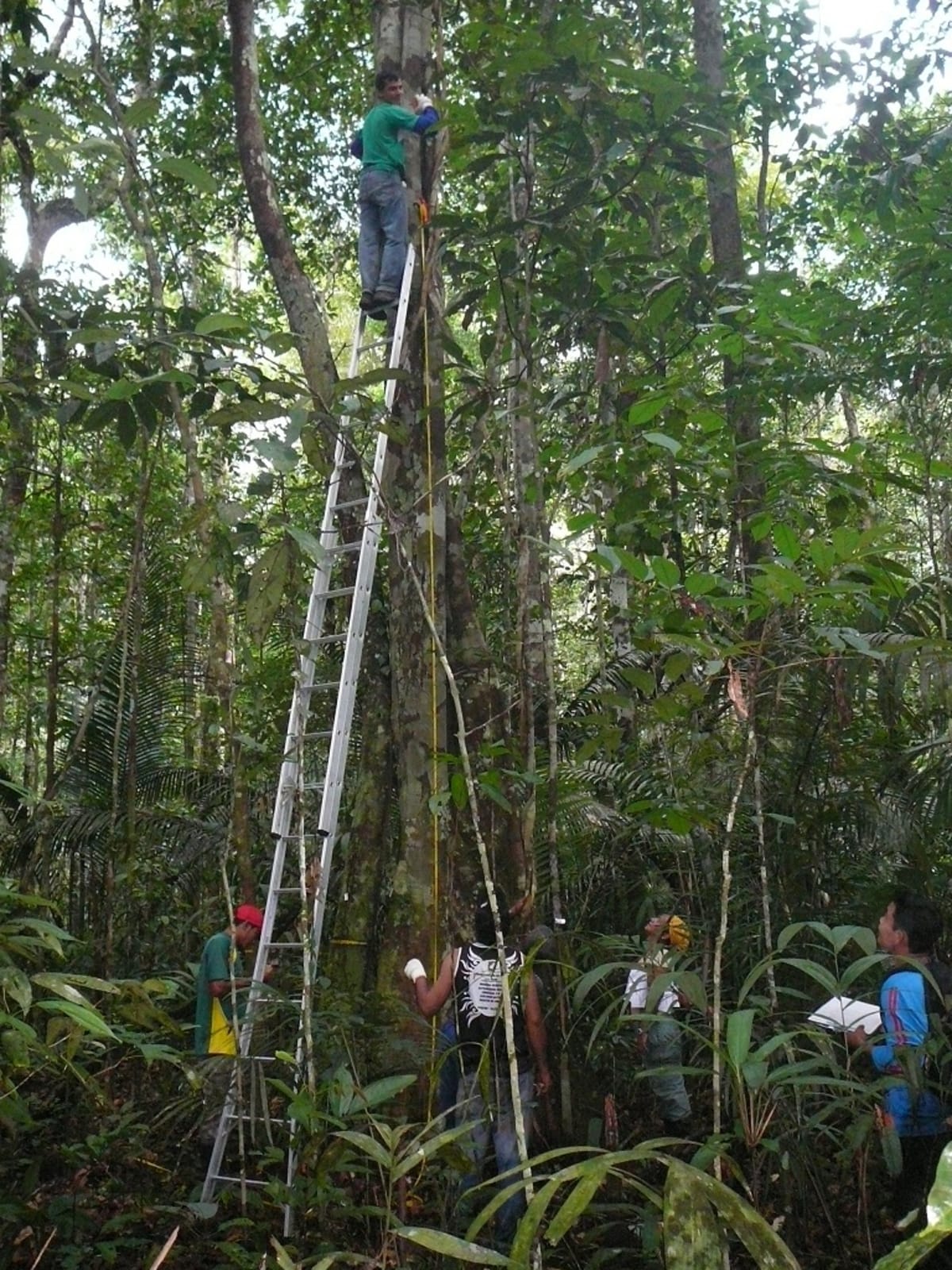
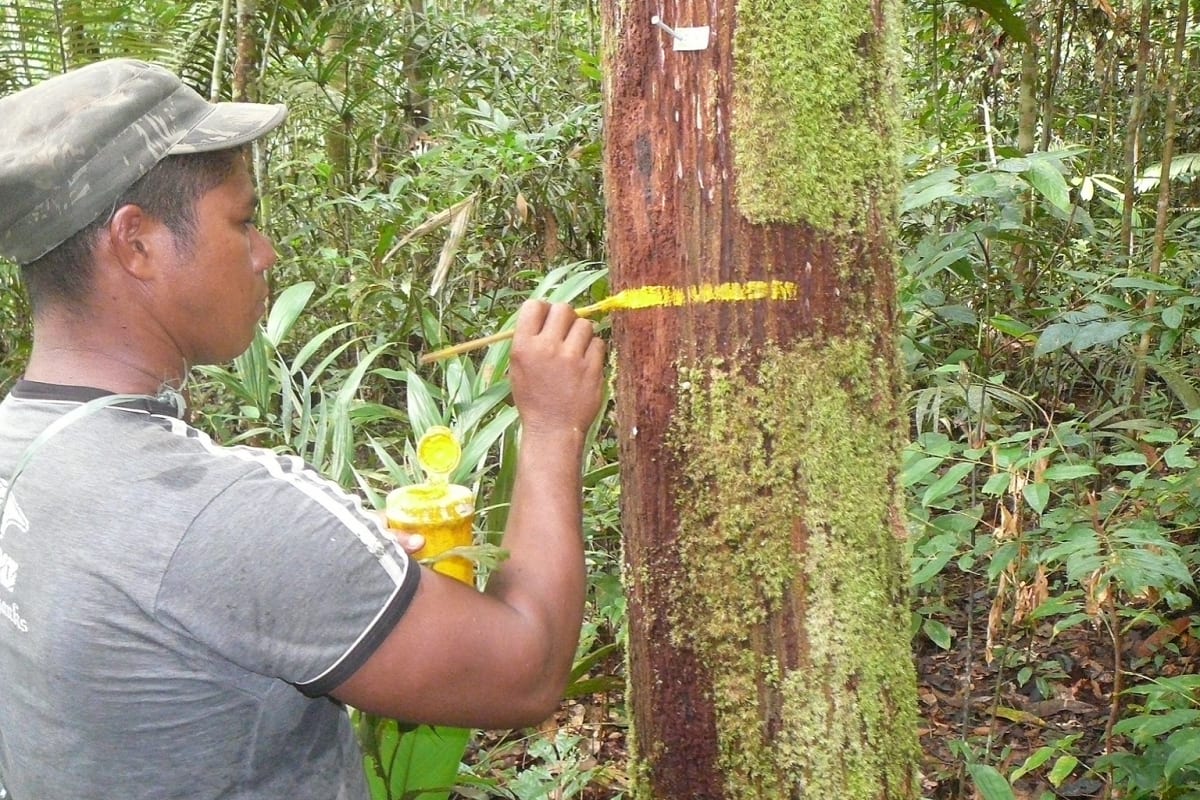
Costa's team measured trees monthly across a 373-mile stretch of central-southern Brazil. Month after month, year after year, the wetland forests proved resilient while upland areas struggled.
Palm trees alone account for one in five tree species across the Amazon. Their unexpected strength during droughts suggests vast swaths of rainforest may be far more resistant to climate change than previous research indicated.
The Bright Side
This discovery doesn't erase the Amazon's very real threats from deforestation and wildfires. But it does reveal something crucial: the rainforest's future isn't one simple story of collapse.
Costa emphasizes these findings create new opportunities for conservation. If scientists can identify which areas naturally resist drought, governments can prioritize protecting them as climate refuges for wildlife.
These wetland forests have existed for millions of years, quietly adapting to changing conditions. They could serve as safe havens where biodiversity survives even as other regions face increasing stress.
The research, published in the Journal of Ecology, fills a major gap in Amazon science. Most drought studies focus on upland forests, missing the larger picture of how diverse ecosystems respond differently to climate challenges.
Costa acknowledges uncertainty remains about whether this resilience will last as temperatures continue rising. But her work proves the Amazon is more complex and potentially more adaptable than doom-filled forecasts suggest.
"Someone needs to say that things are more patchy and there are possibilities of a positive outcome," Costa told researchers. "Because then, if there are such possibilities, you can go and protect these specific areas."
The discovery gives conservation efforts a new strategy: identify and protect the forests most likely to survive, creating strongholds for the Amazon's incredible biodiversity to endure.
More Images

Based on reporting by Mongabay
This story was written by BrightWire based on verified news reports.
Spread the positivity!
Share this good news with someone who needs it