380-Million-Year-Old Fish Reveals How Life Left the Sea
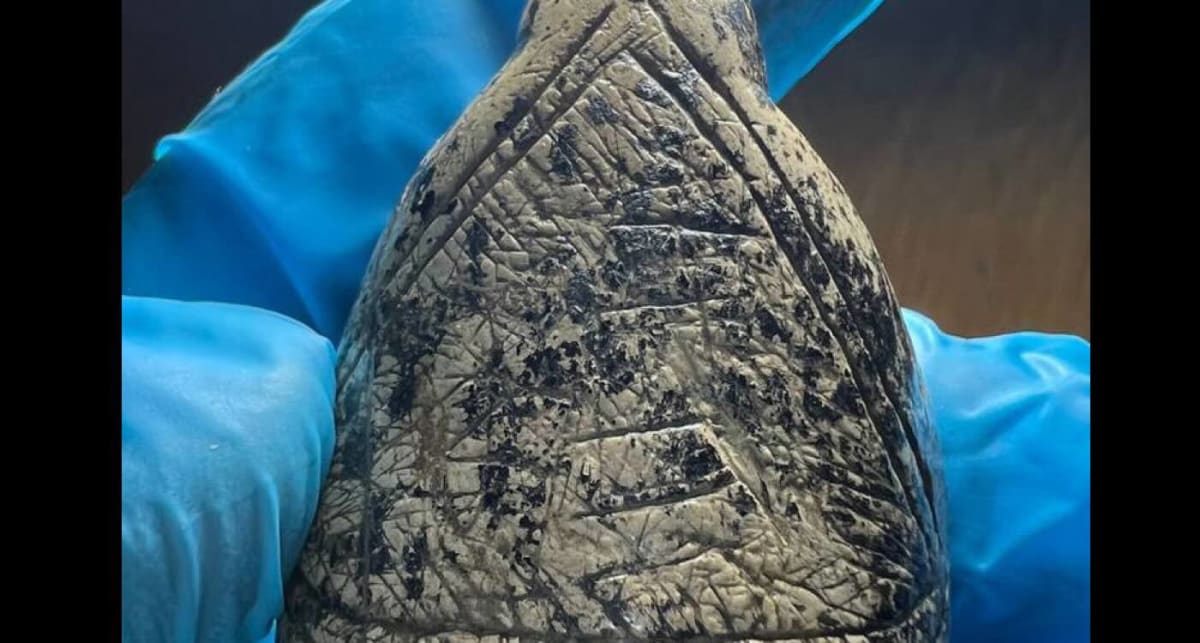
Scientists in Antarctica discovered a perfectly preserved ancient fish skull that finally explains how creatures made the leap from water to land. The fossil contains features never seen before in its family—including openings for breathing air.
A single fossil buried in Antarctic rock for 380 million years just solved one of evolution's biggest mysteries.
Researchers at Flinders University in South Australia studied Koharalepis jarviki, a meter-long predatory fish discovered deep in Antarctica's Transantarctic Mountains. This is the only specimen of its kind ever found, and it turned out to be exactly what scientists needed.
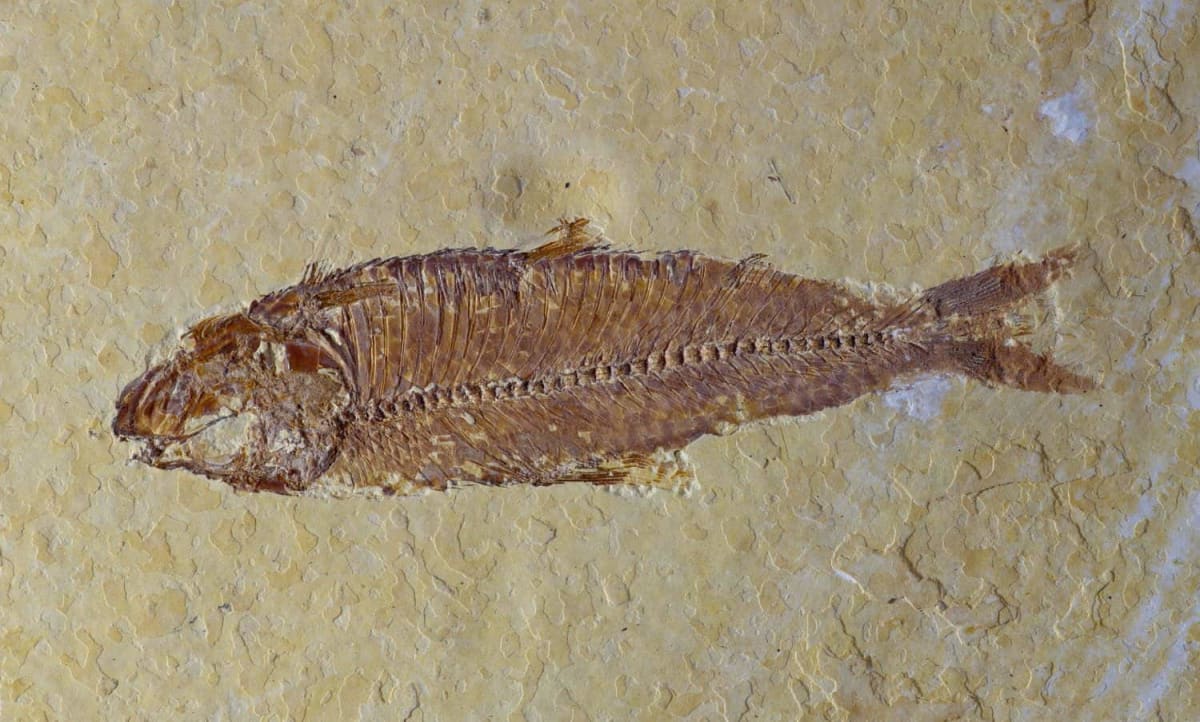
The fish lived during the Devonian Age, often called the Age of Fishes, when jawed fish exploded in diversity and plants first spread across land. But scientists had a frustrating gap in understanding how aquatic creatures developed the ability to breathe air and eventually walk on land.
This fossil filled that gap. Using advanced neutron imaging technology, the team discovered something remarkable inside the skull. The fish had openings at the top of its head for taking in air from above the water's surface, plus a light-sensitive organ in its brain that detected circadian rhythms.
Lead researcher Corinne Mensforth, a PhD candidate at Flinders, explained why this fish mattered so much. It preserved all its internal skull bones, giving scientists their first complete look at how these ancient creatures were adapting to life at the water's edge.
The brain structure looked surprisingly similar to fish that came later in the evolutionary journey to land. The fish also had small eyes, suggesting it relied on other senses to hunt smaller creatures as an ambush predator in shallow waters.
The imaging technology did more than reveal bones. It showed scientists how this ancient fish actually behaved in its environment without ever breaking the fossil apart.
Professor John Long, who first described the fossil in 1992, said these details paint the fullest picture yet of how fish first left the water to live on land approximately 385 million years ago.
Why This Inspires
Every answer about our past starts with someone asking better questions. This team spent decades returning to a single fossil, waiting for technology to catch up with their curiosity. Their patience paid off with a discovery that connects us to ancestors we share with every land animal alive today.
The fish that took its first breath of air 380 million years ago changed everything that came after. Thanks to modern science, we finally understand how that incredible transition happened.
One fossil, perfectly preserved in the coldest place on Earth, just rewrote the story of how life conquered land.
More Images


Based on reporting by Google: fossil discovery
This story was written by BrightWire based on verified news reports.
Spread the positivity!
Share this good news with someone who needs it