3D Food Printers Help Cancer Patients Take Medicine
Hospitals are using 3D food printers to create heart-shaped chewable tablets that help children with cancer take their medication more easily. The same technology is also restoring the joy of eating for seniors who can only consume puréed food.
Children battling cancer in Hamburg are now taking their chemotherapy medication in the form of raspberry-flavored hearts and stars, making one of the hardest parts of treatment a little easier.
Researchers at University Medical Center Hamburg-Eppendorf discovered that many young cancer patients struggle with the taste and size of conventional pills during chemotherapy. Their solution? Using 3D food printers to create custom-shaped chewable tablets that kids actually want to take.
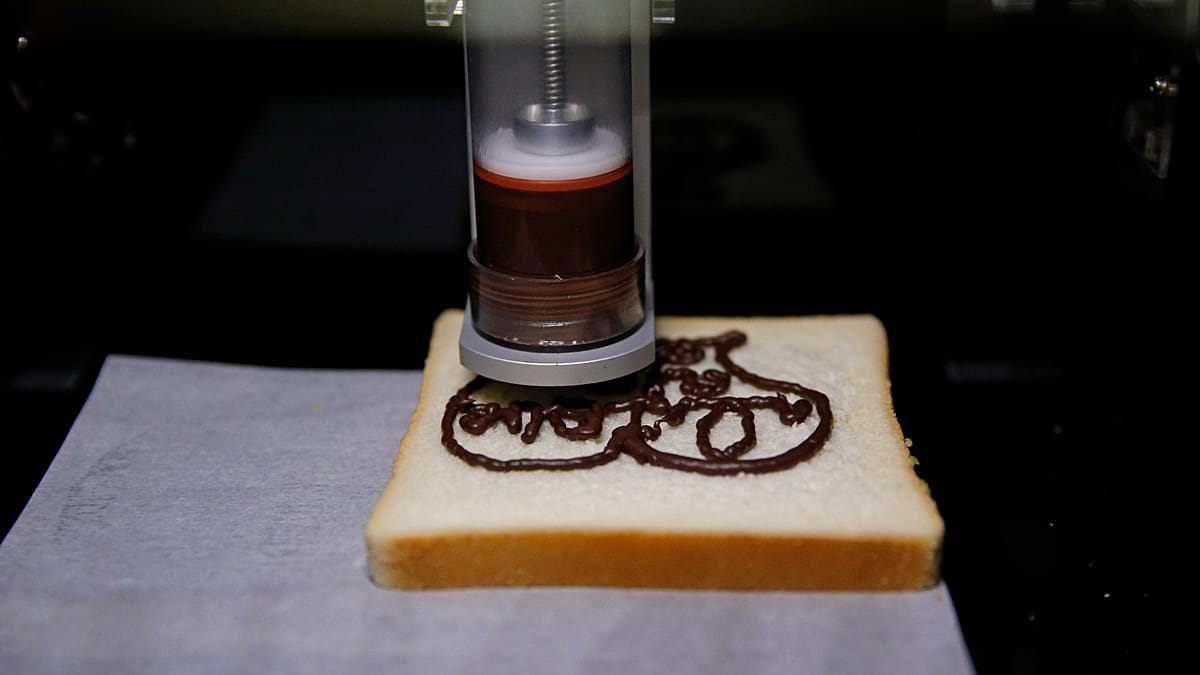
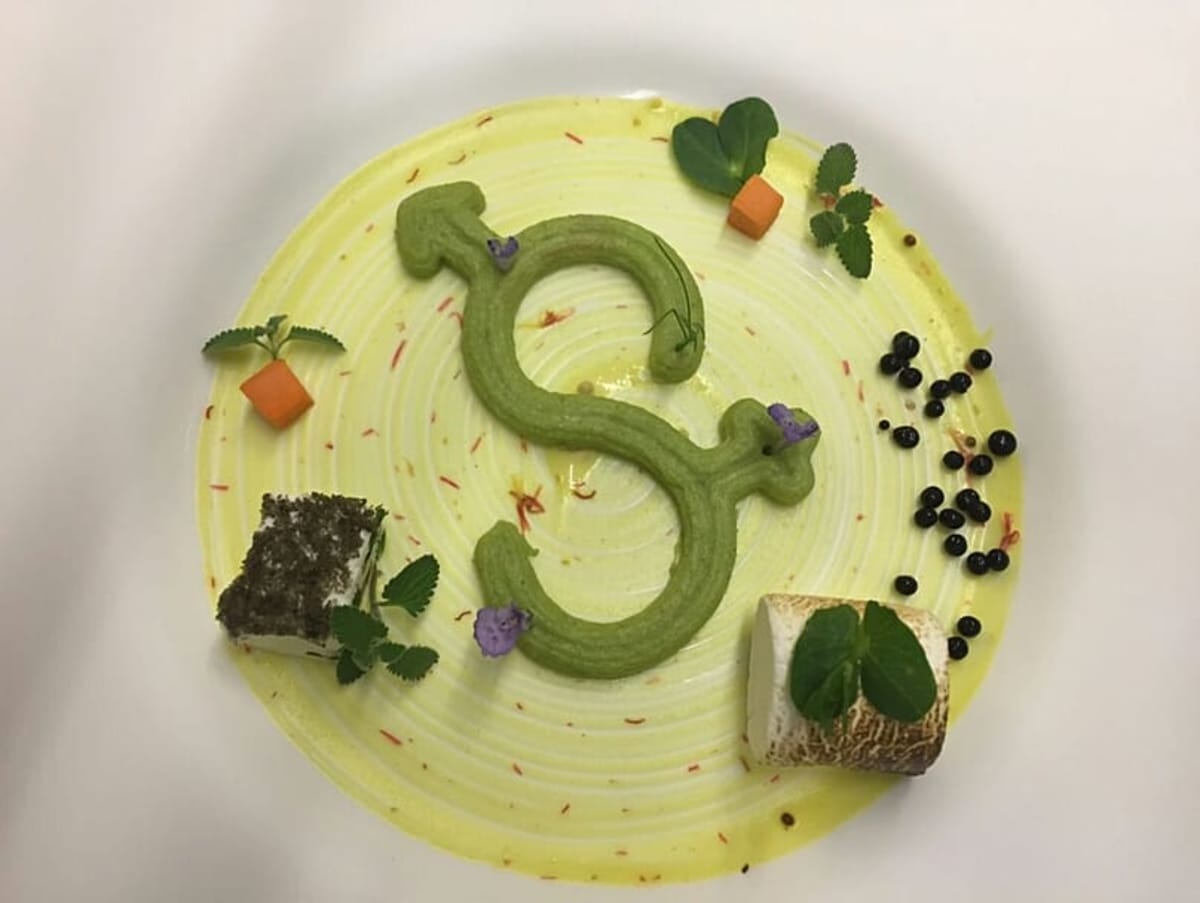
The technology works like a kitchen piping bag controlled by a computer. Instead of plastic, these printers layer soft ingredients like chocolate, cheese, vegetables, or medicine-infused paste into precise shapes. Users design what they want on a computer, and the printer builds it layer by layer.
Food technologist Mario Jekle from the University of Hohenheim says the real breakthrough is combining familiar cooking techniques with digital precision. The process takes between five and 15 minutes for most items, and the printed food can be heated in an oven or special chamber to achieve the right texture.
Several companies now offer food printers, including Ukrainian-Bulgarian firm Chocola3D, which works with over 26 different materials. Their machines are already being used in Ukraine, Bulgaria, Germany, and Estonia. Confectioners use them to create custom marzipan wedding cake decorations, while hospitals are exploring medical applications.
The hospital in Hamburg is also testing individually dosed medication for Parkinson's patients. Meanwhile, researchers at Friedrich-Alexander University are helping nursing home residents who have trouble chewing or swallowing by printing puréed food into familiar shapes.
When seniors saw their puréed meals shaped like actual sausages or vegetables instead of mush, they ate more. Nutrition scientist Dorothee Volkert found that participants consumed more energy and protein because the food looked appetizing again, and extra nutrients could be easily incorporated.
Why This Inspires
This technology proves that small changes in presentation can make huge differences in people's lives. A child facing chemotherapy gets to take medicine that looks like a treat instead of a pill. An elderly person regains dignity at mealtimes when their food looks like food again.
Jekle believes 3D food printers could be in home kitchens within five to ten years. His team is working with food industry by-products to create sustainable new foods that require minimal processing, which means less energy use and lower costs.
The technology shines brightest where it matters most: helping vulnerable people eat better, take medicine more easily, and enjoy mealtimes again.
More Images
Based on reporting by Euronews
This story was written by BrightWire based on verified news reports.
Spread the positivity!
Share this good news with someone who needs it