4 Rare Bongos Return to Kenya After 11-Year Breeding Effort
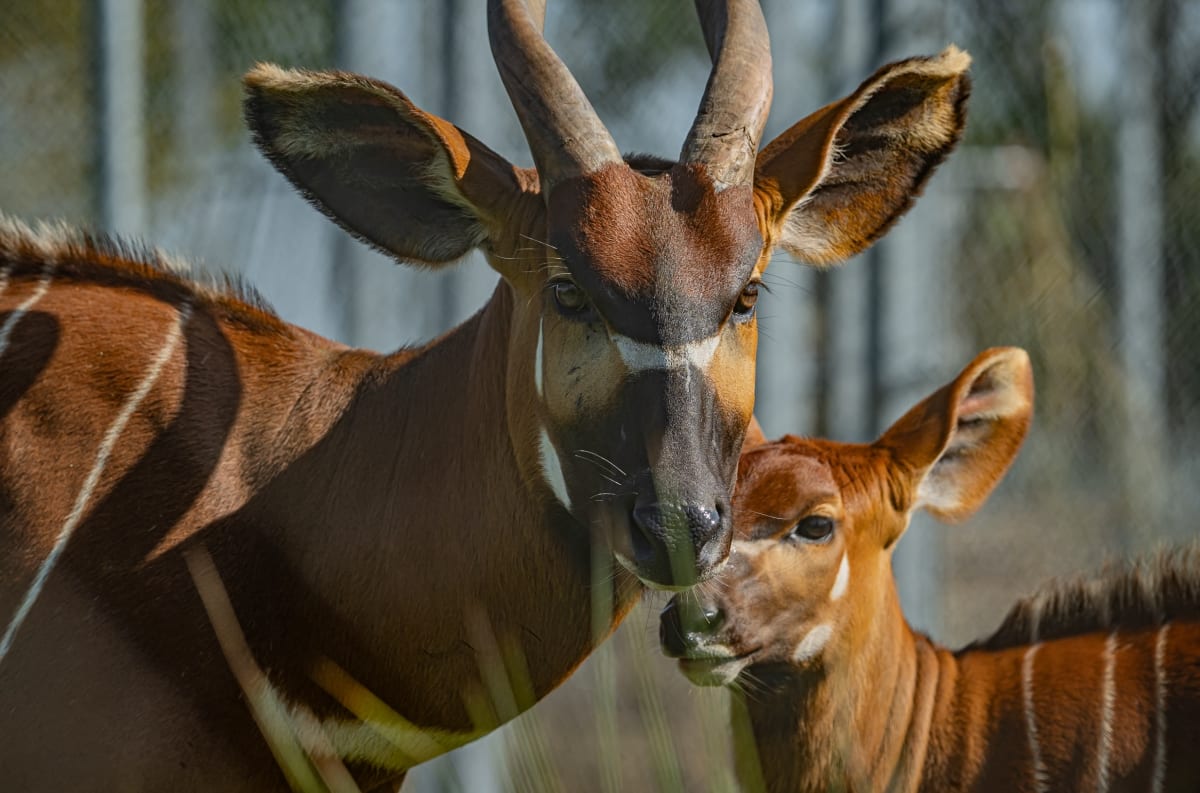
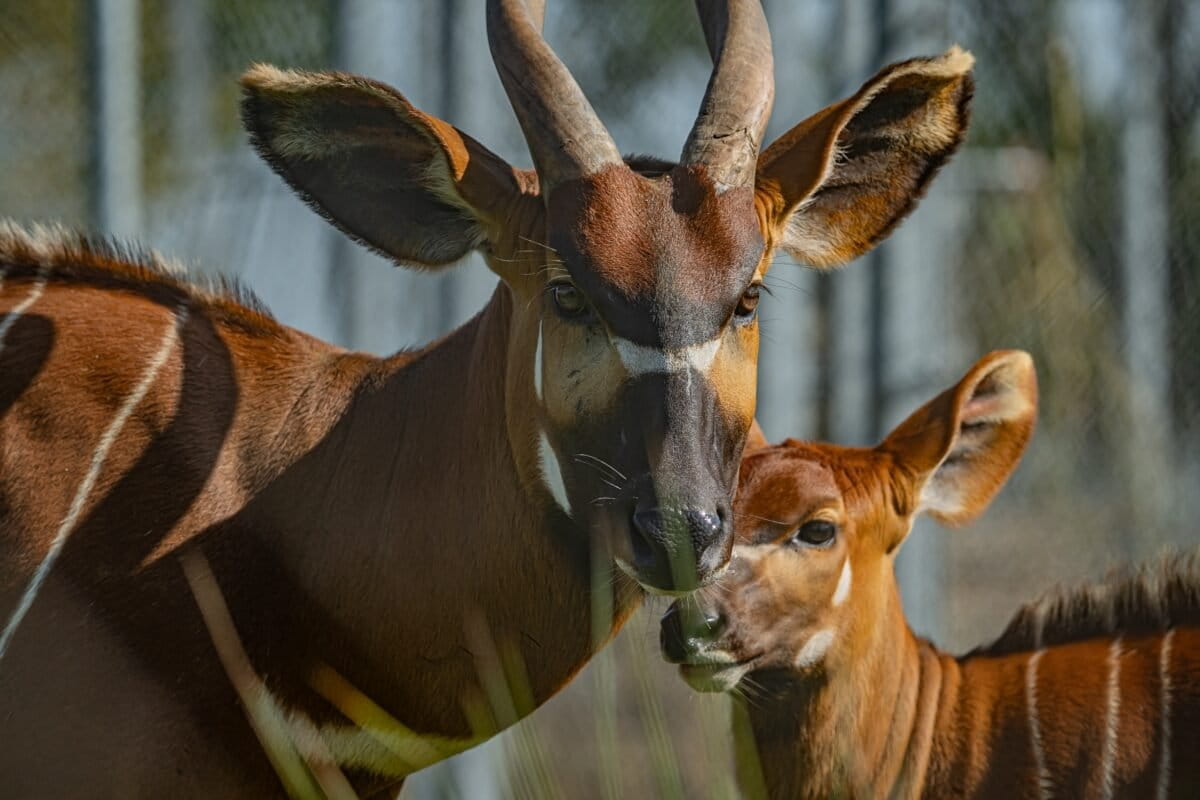
Four male mountain bongos are flying home to Kenya from European zoos to help save one of Africa's rarest antelopes from extinction. With only 66 left in the wild, this carefully planned return marks a turning point for the critically endangered species.
Four mountain bongos are coming home to Kenya, and they might just save their species from disappearing forever.
After 11 years of coordinated breeding work across European zoos, four carefully selected male bongos will soon make the journey from facilities like England's Chester Zoo back to their ancestral forests. These aren't just any animals. They were chosen based on age, health, and genetics to give the wild population its best chance at recovery.
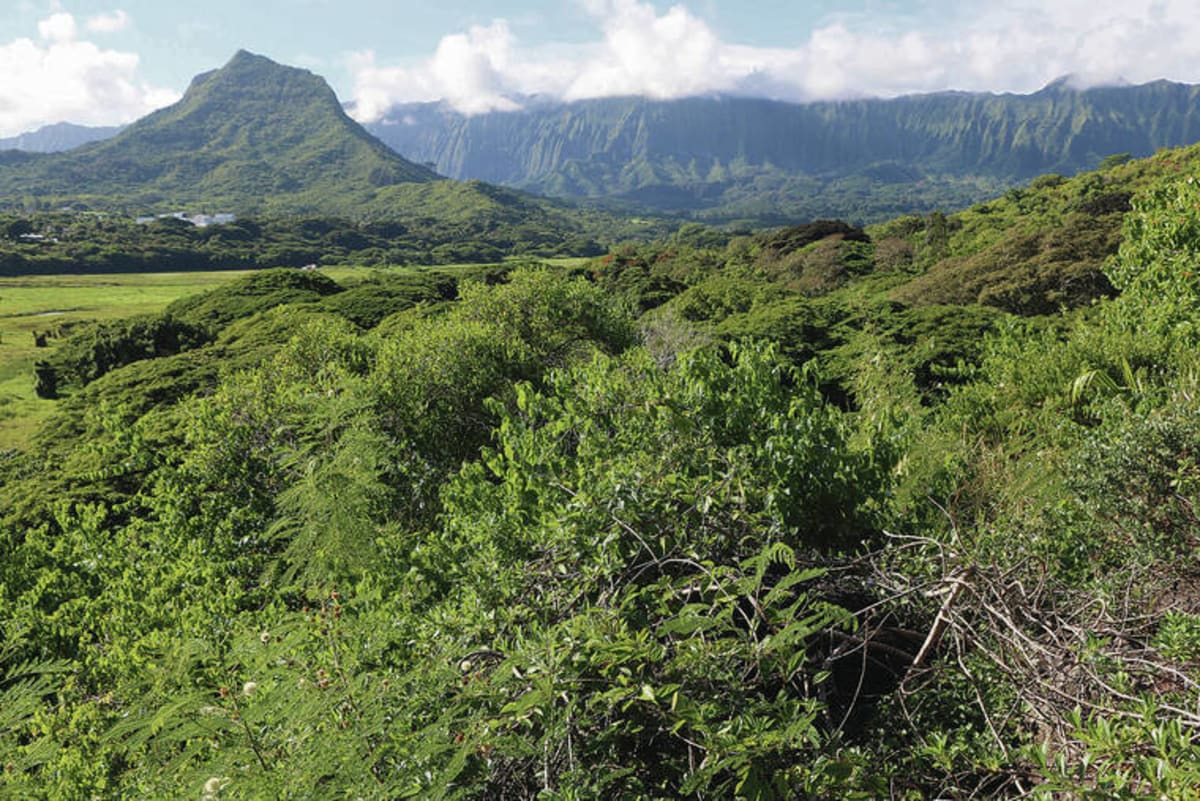
The stakes couldn't be higher. Mountain bongos, stunning forest-dwelling antelopes found only in Kenya, are critically endangered. While 150 roamed wild in 2021, that number crashed to just 66 by 2025 due to habitat loss and poaching.
But here's where the story gets hopeful. The Mount Kenya Wildlife Conservancy now has more than 100 bongos in its captive breeding program, up from 54 just four years ago. Add these four European males and 17 others repatriated from the United States, and conservationists finally have the genetic diversity they need.
"These males are a critical component of our rewilding program," says Robert Aruho, who leads the conservancy. The goal is ambitious: grow the population to at least 750 individuals by 2050.
Technology is lending a hand too. Scientists developed the world's first AI-powered camera system specifically for mountain bongos. These smart cameras track the animals' behavior, movement, and health in real time without disturbing them, giving conservationists data they've never had before.
The four incoming males will undergo rigorous health checks and quarantine before joining breeding females. Then comes the careful work of monitoring, breeding, and eventually releasing their offspring back into protected Kenyan forests.
The Ripple Effect
This collaboration shows what's possible when zoos, governments, and scientists work together across continents. Chester Zoo's Nick Davis calls it essential: "Collaborations like this are absolutely essential if we are to prevent this magnificent species disappearing altogether."
The mountain bongo project proves that conservation isn't just about stopping decline. It's about reversing it. Every calf born from these carefully matched pairs moves an entire species further from the edge.
In 11 years, these four males could father dozens of offspring, each carrying genetics that strengthen the whole population.
More Images


Based on reporting by Mongabay
This story was written by BrightWire based on verified news reports.
Spread the positivity!
Share this good news with someone who needs it